-

Iboga Blog
Iboga Blog
30th November 2020
Making Amends: A Pathway To Healing
One fundamental aspect of addiction is the way it forces addicts to violate their principles, beliefs, and values. In every life, we are bound to cause harm to others, regardless of intent, and often without our knowledge. But for the addicted, these transgressions can sink to truly appalling depths. One of the most essential parts of recovery is coming to terms with the harm we have caused to the people close to us, and whenever possible, doing everything we can to relieve the pain we have dished out. Let’s take a closer look at the process of making amends.
What is " Making Amends"?
define making amends
A reductive definition would be “apologize sincerely to those you’ve hurt.” But experts at the Betty Ford Clinic have identified one of the key differences between apologies and amends. They rightly point out that amends are actions, whereas apologies are often just words. One of the keys to recovering from addiction is aligning your intentions and your actions. In the case of making amends, this can be defined as the difference between saying you’re sorry for having stolen from someone and creating a re-payment plan. By uniting your actions with your words, you can convince others that you’re committed to repairing wrongs and relationships. Compare this to the thousands of useless apologies you probably offered to those around you when you were using! Amends are so important because they are an actual, concrete manifestation of the changes that occurred within you when you moved from addiction into recovery.
Making Amends and The 12 Steps
If you’re familiar with the 12-Step model of recovery, you’ve probably already been thinking about Steps 8 and 9 as you read the last two paragraphs. For the uninitiated:
Step 8: Made a list of all persons we had harmed, and became willing to make amends to them all.
Step 9: Made direct amends to such people wherever possible, except when to do so would injure them or others.
These two steps are invaluable parts of the foundation to sober living. We need to deal with our pasts to move into a brighter future. We would recommend following through with these two steps even if you’re committed to a peer support program other than the AA/NA model.
Alternative Ways To Make Amends
While SMART Recovery and Practical Recovery don’t have a specific policy for making amends, they realize that the process is valuable for many in recovery, and they recommend acknowledging your role, apologizing, and making things right if it’s possible to do so.
You may have read our recent blog post on Naikan Therapy - a recent addition to the Iboga Tree Healing House recovery toolbox. In Naikan therapy, realization is the first step toward making amends. Naikan helps to develop a realization about one’s wrongs and one’s part in those wrongs. Naikan teaches that one needs realization in the beginning - which is the most complex part of the amends process.
Naikan therapy helps one reach realization, and how (even if) amends are actually made is a personal choice. Some people may pay back by helping others, cleaning the soul, serving elderly people, parents, etc. Some people do not make direct or indirect amends at all.
In the Naikan model, the psychotherapist can encourage amends to be made, but the amends process is by no means an essential part of one’s recovery.
For those seeking to make amends for past wrongs, let’s explore the process of making amends in a little more depth.
Direct Amends
Making Amends
The phrase essentially means that you try to establish face-to-face communication with the person you’ve wronged. If they’re unwilling to meet with you, or time and distance will not allow for a meeting, we recommend trying to communicate as directly as possible, via Facetime, phone, email, or letter. You should always be open by acknowledging the pain and hurt you have caused, and avoid finding fault or shifting blame. Demonstrate through your words and actions how you have changed. Offer them whatever you can to repair the damage you’ve done, and try to find ways to enable them to heal.
Injuring Others: How Not To Do It

If you think that the process of making amends would cause needless harm, stress, mental anguish, or any other type of pain to another person, there’s no need to burden them in order to unburden yourself. As Step 9 dictates, “except when to do so would injure them.” Bear in mind that your goal in this process should be helping them to deal with the wrongs you’ve inflicted, not seeking closure for yourself. If you have painful information they’re unaware of and have no need to receive, ask yourself if they would actually benefit from receiving it. If you suspect that the answer might be “no”, try to do something else to atone for your actions, like volunteering your time with the needy, making a donation to a worthy cause, or taking steps to help out someone else in your life. You can atone for your actions without making them suffer.
What if Someone Doesn't Want to Meet Me?

There might be someone in your life to whom you are desperate to make amends to who wants nothing to do with you. If someone who you’ve hurt doesn’t want to accept your apologies and amends, it’s best to accept that fact and find some other way to reach closure for yourself. Intentionally taking positive and benevolent action in another part of your life can allow you to move forward and accept their decision to wash their hands of you. We never recommend forcing the issue and putting someone you’ve already harmed in an uncomfortable situation.
Avoiding Dangerous Situations
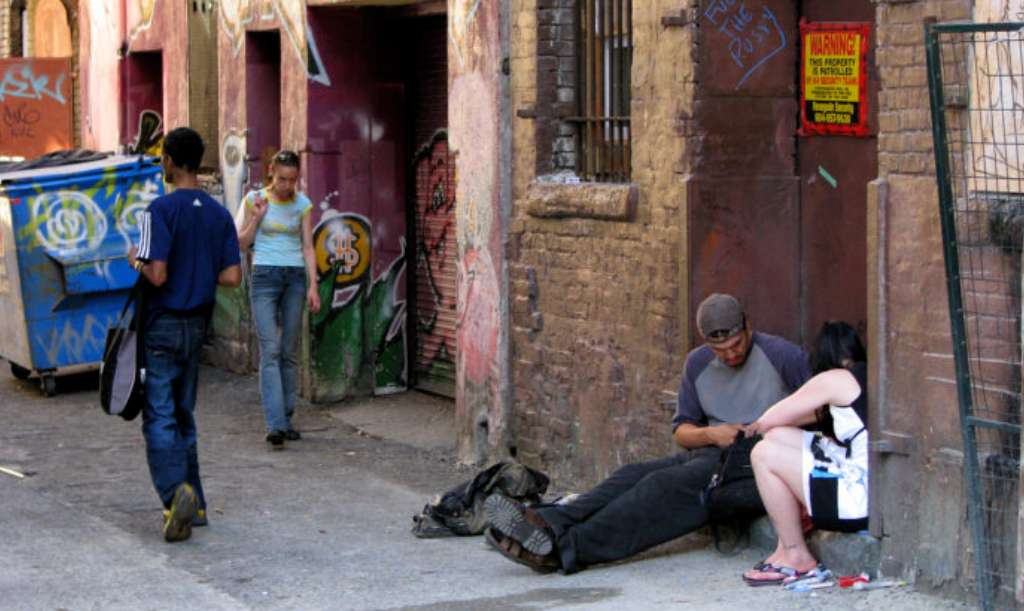
If someone who you’ve harmed is still actively addicted and using substances regularly, you should be very careful about putting your fragile sobriety at risk. You can try to nudge them towards treatment or ensure that you meet them in a safe place without any triggers or stressors that could fuel a relapse. While making amends is very important, as the Betty Ford Clinic notes, “our primary responsibility is to safeguard our own health and recovery from substance abuse.”
Don't Do It Alone

It’s important to consult with mentors, counselors, peers, sponsors, and relevant guides such as AA’s Big Book. Making amends is a long and arduous process that can cause fresh stresses and problems. Those who have experience with it are a resource that can help you avoid pitfalls along the way and ensure that you emerge happier, healthier, and stronger. They can reassure you that you are doing the right thing, even if the people that you have wronged respond to your efforts to heal with hostility, dismissiveness, or contempt. We’re always stronger together!
Why Make Amends?
Making amends is so necessary because it will deepen your understanding of the pain and suffering that addiction has caused to those around you. It can offer the opportunity to rebuild broken connections with your family and loved ones. But it also has substantial benefits for your own mental health. As addictions expert and Professor of Family Medicine Chris Ebberwein states “making amends means taking ownership for causing hurt, and then doing something to correct or heal it. Making amends puts to rest the temptation to be stuck in self-blame or to blame others. It allows the recovering person to move ahead toward correcting mistakes that were made and healing old hurts.” At Iboga Tree Healing House we’ve seen firsthand the way attempting to right past wrongs can heal the scars of addiction and build self-esteem and happiness.
26th November 2020 • Sticky Post
A Brief History of Psychedelics
For as long as people have existed, they have been experimenting with ways to alter their consciousness. The earliest archaeological evidence of the use of psychedelics is found traces of the San Pedro cactus, a plant with hallucinogenic properties, that were found in caves inhabited by humans in Peru and are calculated to be over 10,000 years old. Evidence abounds all over the world in cave paintings, relics, traces of plants, and religious artifacts that spirituality and psychedelics have been intimately connected for millennia. Many of those who have experimented with psychoactive substances, particularly oneirogenics and psychedelics, have found that altering their consciousness deepened their spiritual connections and connected them to universal forces larger than themselves. Let’s take a deeper look at the ancient spiritual traditions associated with the use of psychedelics.
Psilocybin And Mushroom Stones
A Brief History of Psychedelics
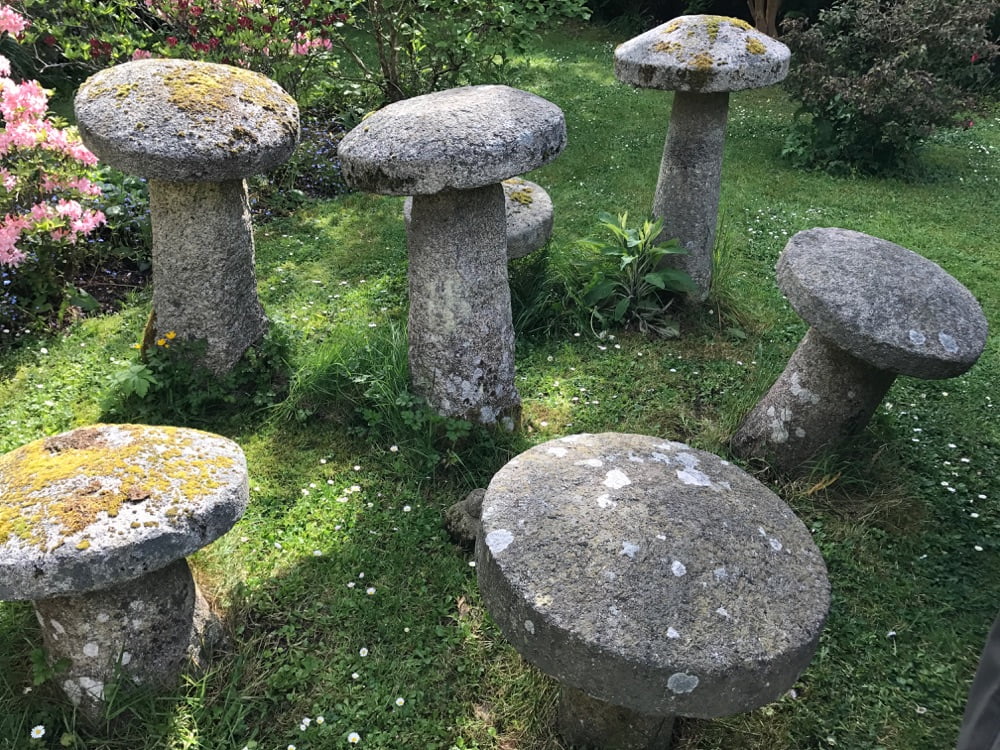
Stone effigies in the shape of mushrooms have been found in tombs and other sites sacred to the Mayan people in Mexico, Guatemala, and other Central American countries. The stones were used to grind “magic mushrooms” into a ceremonial drink used in sacred rituals. The use of hallucinogenic mushrooms spread to the Aztecs, as reports from the Spanish Conquest state that they referred to psychoactive mushrooms as “Teonanacatl”, meaning “God’s Flesh.” As ethnobotanist and anthropologist R. Gordon Wasson states: “the use of mushrooms, if I am right, spread over most of Eurasia and the Americas, and as Stone Age Man has emerged into the light of proto-history these strange fungi may well have been the primary secret of his sacred Mysteries.”
Ayahuasca
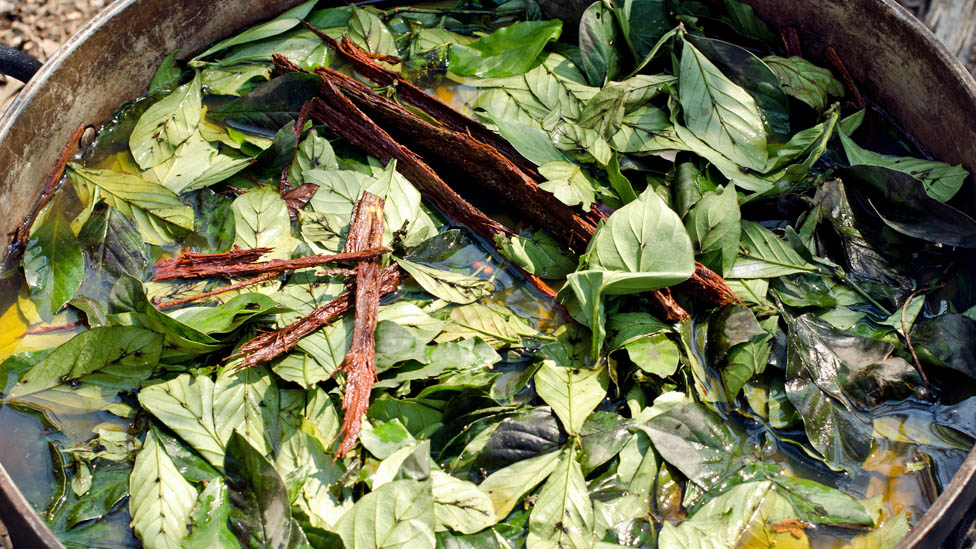
Ayahuasca use is intimately tied to the rituals and beliefs of a myriad of tribes in South America’s Amazon basin. The earliest evidence we’ve acquired of ayahuasca use is a 1000-year-old pouch made of fox snouts which contained the ingredients for brewing the powerful drink. Ayahuasca is referred to throughout the Amazon region as a “plant teacher (or doctor)”, and the ayahuasca vine is known in some local languages as the “vine of the ancestors.” The plant’s ceremonial use was primarily for healing, though it was also used in warfare, coming of age ceremonies, to gain artistic inspiration, and “as the main theme for cultural narratives.” As anthropologist Luis Eduardo Luna writes: “In general, ayahuasca is used as an instrument to gain access to information coming from unseen realms, as well as from the social and natural environment.” It has long been the bedrock of spirituality for the indigenous people of South America.
Peyote And The Native American Church
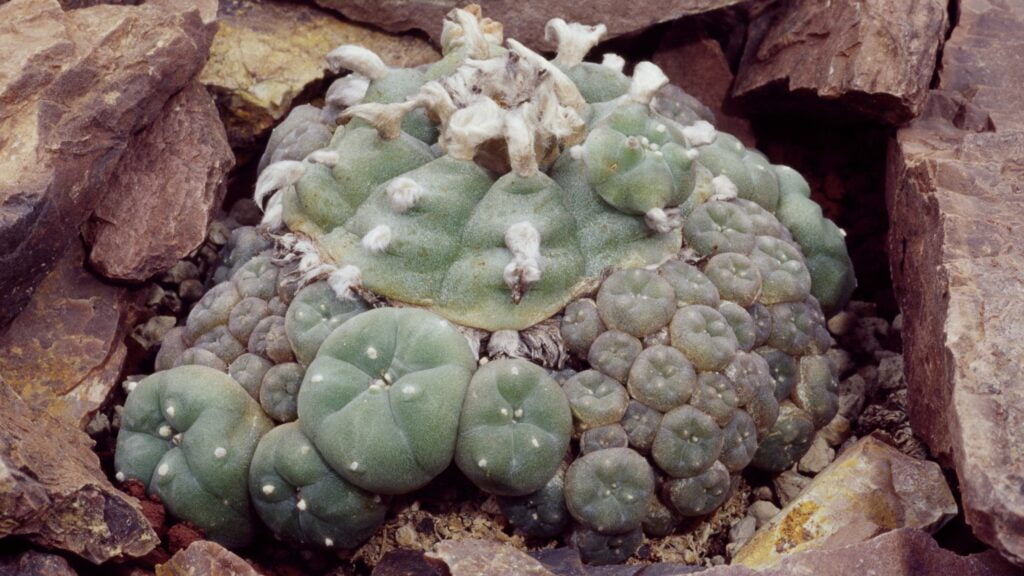
Archaeological evidence and cave paintings indicate that the indigenous people of Mexico and the Southwestern United States have been using peyote in sacred rituals for at least 3000 years. The substance was said by members of “peyote cults” to protect initiates from danger, heal the body and spirit, enable visionary predictions, and strengthen the user. In many cultures, peyote was considered the most valuable and potent medicine, and it was believed to have the power to cure any disease if used properly. The peyote ritual is generally led by a shaman and consists of singing and dancing overnight. Peyote is usually consumed in a drink, and various tribes have different traditions for obtaining the substance, including purification rituals and pilgrimages.
In spite of the efforts of legislators and missionaries to forbid the use of peyote, traditions remain strong and it’s estimated that at least 40 tribes in North America continue to take part in peyote rituals. The Native American Church, which mixes peyote ceremonies and traditional beliefs with Christianity, won a legal victory in 1978 which protected their right to use peyote ceremonially. Many adherents feel that peyote is a “divine messenger” that enables the user to communicate directly with God, without the need of a priest to act as an intermediary.
Kykeon
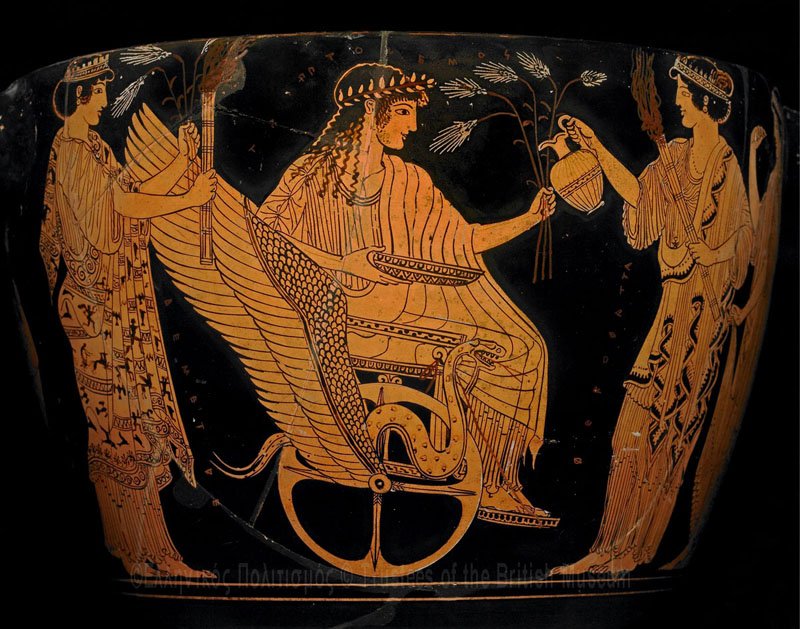
In the ancient Greek city of Eleusis, an important, elaborate, and secret yearly ritual was performed to celebrate death and rebirth as symbolized by the myth of Demeter and Hades. The participants would descend into a cave, and drink a cup of kykeon, which contained ergot, a substance that mimics the hallucinatory effects of LSD. The initiates were sworn to secrecy, so little is known of what occurred, but we do know that they were profoundly influential. As one historian writes: “Virtually every ancient writer, thinker, ruler, or builder whose name we know today, from the beginnings of the Rites in c.1500 BCE until they were shut down and outlawed by the Christian emperor Theodosius in 392 CE, was an initiate into the Eleusinian Mysteries.”
Plato was deeply influenced by the ritual. In his “Phaedo” he wrote that only the initiated could “dwell amongst the Gods,” interpreted as meaning that only those who had undergone the ritual would have an understanding of life while they lived. The writer Plutarch noted that after partaking in the ritual he lost the fear of death and recognized himself as an immortal soul.
Iboga

Bwiti is a spiritual tradition common among the Babongo and Mitsogo people of Gabon, and the Fang people of Gabon and Cameroon. Contemporary beliefs are described as a mixture of animism, ancestor worship, and Christianity, and the substance of iboga is at the core of their rituals and beliefs. According to Wikipedia, iboga is used to “promote radical spiritual growth, to stabilize community and family structure, to meet religious requirements, and to resolve pathological problems.”
When Bwiti shamans take part in the iboga ceremony, they believe that they gain the ability to heal illnesses, communicate with their ancestors, and experience visions of the future. Most significantly, iboga is fundamental to the initiation rites and coming-of-age rituals of the Bwiti. According to Daniel Lieberman, an expert on Bwiti culture, “They believe that before initiation the neophyte is nothing. Through the ceremony, you become something…a Baanzi, one who knows the otherworld because you have seen it with your own eyes.” According to Lieberman, the Bwiti believe that iboga is a “superconscious spiritual entity that guides mankind.” The vast majority of the followers of Bwiti consume iboga as part of their coming-of-age ritual, and it is a fundamental building block of their culture and community.
Modern Traditions
As you can see, society, culture and spirituality have been shaped by psychedelics since the dawn of time. Psychedelics enlarge our perceptions and guide us toward a fuller understanding and greater respect for the universe, nature, our fellows, and ourselves. At Iboga Tree Healing House, we have seen profound spiritual growth and healing occur through the use of these extraordinary plants time and again. If you have any questions you’d like to ask about using iboga or other psychoactive substances as a tool for spiritual growth and healing, get in touch with us today!
24th November 2020 • Sticky Post
Iboga in 2020
Iboga has come a long way in 2020, both figuratively and literally. The psychoactive root bark of an African shrub which is a fundamental sacrament of the Bwiti spiritual tradition has been making its way around the world since American Howard Lotsof stumbled upon its efficacy in treating heroin addiction decades ago. In late 2018 the 5th international ibogaine conference, the European Ibogaine Forum was held in Porto, Portugal. The event was co-organized by Iboga Tree Healing House in concert with the Global Ibogaine Therapy Alliance (GITA) and Ibogaine for the World.
Iboga Tree Healing House also proudly exhibited amongst the top rehab centers from around the world to spread the word about iboga help and other recovery tools to academics, scholars, medical and mental health practitioners at the 2019 iCAAD conference in London. iCAAD is a platform dedicated to expanding knowledge, exchanging ideas, advancing well being and the prevention and treatment of Behavioural, Mental, and Emotional Health issues.
As the global opioid crisis continues to rage around the world, iboga treatment programs have been popping up in every corner of the globe, and medical science is finally beginning to awaken to the benefits it can provide in battling addiction and dealing with psychological disorders. Iboga has been in the news a great deal, with celebrity/lifestyle-guru Gwyneth Paltrow recently invoking its effects in an interview with the New York Times, and Hunter Biden, son of US Presidential hopeful Joe Biden, discussing the role iboga played in his journey towards recovery in a lengthy New Yorker profile. But is the renewed attention finally going to lead to the long-term studies needed to push this powerful treatment into the medical mainstream? Let’s take a look at where iboga is, and where it’s going, in 2020.
Iboga And The Law
In America iboga is still a schedule 1 drug, which means those desperate for treatment are forced to go abroad, often using Mexican clinics with varying levels of professionalism and attention to patient safety. While a study seeking to gain FDA approval began in the 1990s and demonstrated promising results, a host of factors including complaints from the pharmaceutical industry, mounting costs, and an ongoing lawsuit conspired to end it before legal approval could be achieved.
But while iboga is still illegal, a pair of scientists working at the Universities of Vermont and Albany Medical College have developed a substance called 18-Methoxycoronairidine (18-MC), a derivative of iboga that aims to offer the same addiction-fighting benefits without the negative physical side-effects and psychoactive potency of the original substance. While many iboga advocates feel that the psychoactive effects are an essential part of the addictions treatment process, there’s little doubt that removing them will make the substance more palatable to the FDA.
Word of iboga’s addiction-healing effects is reaching more ears (and eyes) than ever before in 2019. An independent film about alternative addiction treatments like iboga called ‘Dosed’ is already creating a furor in Canada. It highlights the amazing progress being made in this area of study, as well as the antiquated laws and regulations holding it back.
As Psychedelics Today reports: “In 2014, a company called Savant HWP began pre-clinical and Phase 1 trials with 18-MC funded by the National Institute on Drug Abuse. These trials were successful, and Phase 2 trials are set to begin this year. If clinical trials continue to be successful, 18-MC could be an FDA approved treatment for addiction within the next decade.” While we at Iboga Tree Healing House are committed to the transformative effects of the traditional iboga journey, we would advocate for any tool that has the potential to free millions of people from addiction.
It is also worth noting that clinical trials in the US on MDMA as a treatment for PTSD are entered the third, and most rigorous phase of clinical trials last year. If successful, these trials could have a dramatic impact on attitudes and legislation regarding psychoactive substances as a part of addiction treatment and mental health. As cities and states across the USA move forward with the legalization of psilocybin, which has shown great potential in treating depression, alcoholism, and other ailments, it appears that the public will grow more receptive to treatments like iboga, and the pressure on regulators will mount.
A Time Of Progress
As news of the positive effects iboga is having on addiction reaches the public, some countries have taken positive steps. “Ibogaine is not included in the UN International Narcotics Control Board’s (INCB) Green List, or List of Psychoactive Substances under International Control,” according to the Global Ibogaine Therapy Alliance (GITA). GITA also provides a helpful map indicating the legal status of the substance in countries around the world.
It’s difficult to predict the future of iboga regulation, but we would expect a growing number of countries to embrace the harm reduction principles which have worked so well for Portugal, while also following Canada and the USA in their moves to decriminalize increasing numbers of substances such as cannabis products and psilocybin, which are used recreationally and therapeutically and have little potential to create addiction. The influential thinker Tim Ferriss has recently been investing a great deal of time, energy, and money into researching the benefits we can reap from psychedelics, and a fascinating recent podcast details much of his research on psilocybin as a therapeutic tool.
While widespread acceptance and promotion of iboga therapy are unlikely to come in the next few years, trends indicate that the push to legalize this invaluable addiction interrupter will only grow stronger in the coming decade.
Grey Areas: Using Ibogaine in 2020
Iboga is illegal in a lot of countries, and its legal status is murky in a host of others. While eyes are opening to the good it can do, we still have a ways to go before those who would benefit most from the treatment can access it safely in a setting of their choice. But as the scientific community and the mainstream learn more about psychedelic and oneirogenic substances, attitudes are primed to change. As we’ve learned from the process of decriminalizing medical marijuana, once a tipping point is reached in terms of changing attitudes and accepting scientific results without the baggage of puritanical, prohibitionist prejudices, society can move quickly. As best-selling books like Michael Pollan’s “How to Change Your Mind” and Ayelet Waldman’s “A Really Good Day” teach society that these substances are, in many instances, safer than the drugs pushed on sufferers by “Big Pharma”, we’d expect to see changes begin in the very near future.
Until those changes take shape, we’d recommend seeking iboga therapy in a country where you can have a safe experience. This means choosing a country where the substance is legal, or one where its use is decriminalized. Don’t forget that this is a powerful medicine, which can cause severe side-effects, and that there is a small but real possibility that you might need urgent medical attention. At Iboga Tree Healing House we look forward to the day when iboga’s power to end addiction is available to ease the pain of addicts around the world!
18th November 2020 • Sticky Post
Rehab in South Africa: Why South Africans Are Seeking Treatment Abroad
South Africa’s drug problems have grown exponentially worse in the last few years. As the opioid crisis rages on, rapidly increasing numbers of South Africans have been experimenting with, and becoming addicted to, Nyaope, a brutal street drug also known as Whoonga. The drug is a blend of opiates and HIV medications, and it’s frequently cut with rat poison and laundry detergent. This powerful drug adds the psychoactive side-effects of medications like efavirenz to the potency of heroin. Meanwhile, statistics show a growth in the rate of cocaine and methamphetamine use, and some officials believe that the country’s current drug problem could be even more damaging than the AIDS epidemic.
South Africa used to be a transit hub for heroin making its way to Europe, but over the last few years, the domestic market for heroin has grown at a disturbingly rapid rate. As Simone Haysom, the author of a recent report on drug use for ENACT, an E.U. backed NGO, reports, heroin use is “a major phenomenon — not just in big cities, but in small towns.” South Africa is particularly at risk for developing a severe addiction problem because of systemic inequality (it has one of the largest income disparities between rich and poor in the world), a prevailing sense of hopelessness (racial tension is a fact of life and the overwhelming majority of South Africans feel the country is moving in the wrong direction), and high rates of unemployment (one in three South Africans of employable age are without jobs).
While there are few reliable statistics about the rate of drug addiction in South Africa, those that exist are frightening. And the country has struggled to keep pace with funding for public treatment facilities. The number of South Africans using public rehab facilities has increased substantially in recent years, while funding has remained flat, raising wait times and leaving existing centers overflowing with clients. If you’re a drug addict in South Africa looking for solutions and a sense of hope, turning your gaze abroad may seem like the wisest approach.
Why Portugal?

Why Portugal?
Portugal was in the midst of an epidemic of heroin addiction when they made the dramatic decision to embrace the principles of harm-reduction and decriminalize the consumption of all drugs. As one of the architects behind Portugal’s new approach explains it: “We realized we were squandering resources. It made much more sense for us to treat drug addicts as patients who needed help, not as criminals.” By removing the threats of prosecution and incarceration, Portugal has reduced the stigma surrounding addiction, and the number of addicts receiving treatment has increased by 60% since 1998. The results the country has achieved simply by treating addicts with dignity and viewing addiction as a health issue has caused countries such as France, Switzerland, and Germany to embrace harm-reduction. Portugal’s clear-headed, compassionate approach to treating addiction makes it an ideal destination for those attempting to overcome substance-abuse problems.
South Africa has been extremely slow to adopt the principles of harm-reduction. While a failure in this area can be viewed as a mistake in some countries, in a country ravaged by HIV/AIDS, the government’s refusal to enact life-saving changes is nothing less than a tragedy. Even a policy as simple as adopting needle exchanges has been met with resistance. As one researcher notes: “outreach teams frequently encounter and have to answer to angry (wealthier, more powerful) citizens and police when providing health services.”
South Africa offers some publicly funded drug treatment options to addicts looking to reclaim their lives, and there are also privately run residential treatment facilities. These centers have the benefit of being close to home, but for South Africans without substantial bank accounts, the cost of effective treatment in a comfortable setting can be staggering. Luxury private facilities have rates rising as high as $26,000 US per month! And if you’re looking for a publicly funded facility, you need to be prepared for wait times spanning weeks, or even months before being placed in an overcrowded and under-funded treatment facility. The shortage of treatment beds and affordable facilities has pushed many addicts to the brink of despair.
In theory, seeking treatment in these centers will not put you at risk of increased attention from the police or the stigma of being an addict in a society that views drug use very harshly, but if you’re living in a small community, word might still spread. If you’re looking to be treated with dignity and respect, experience compassionate treatment, and maintain your privacy, going abroad might be your best option. Drug addiction is still viewed harshly in many South African communities, with studies finding that addiction carries more stigma than mental illness. In many small towns, the addicted are still seen as criminals who have succumbed to a “moral failing” rather than sick people in need of medical treatment. If you’d prefer to be treated as a person, rather than a junkie, as you begin your recovery journey, you might want to consider seeking treatment in Portugal!
What Are The Benefits Of Treatment Abroad?
1) Environment

Leaving an environment full of familiar stressors and temptations can have a beneficial effect in treatment. South Africa is a very violent society, and rates of homicide, armed robbery, and home invasions are far higher than in other western countries. The scars of apartheid and simmering racial tensions also add to the stress of daily life in South Africa. As a result, increased rates of South Africans suffer from PTSD and related psychological disorders, conditions which often are at the root of addiction. At Iboga Tree Healing House we offer specialized treatments and counseling for dealing with PTSD, including iboga therapy.
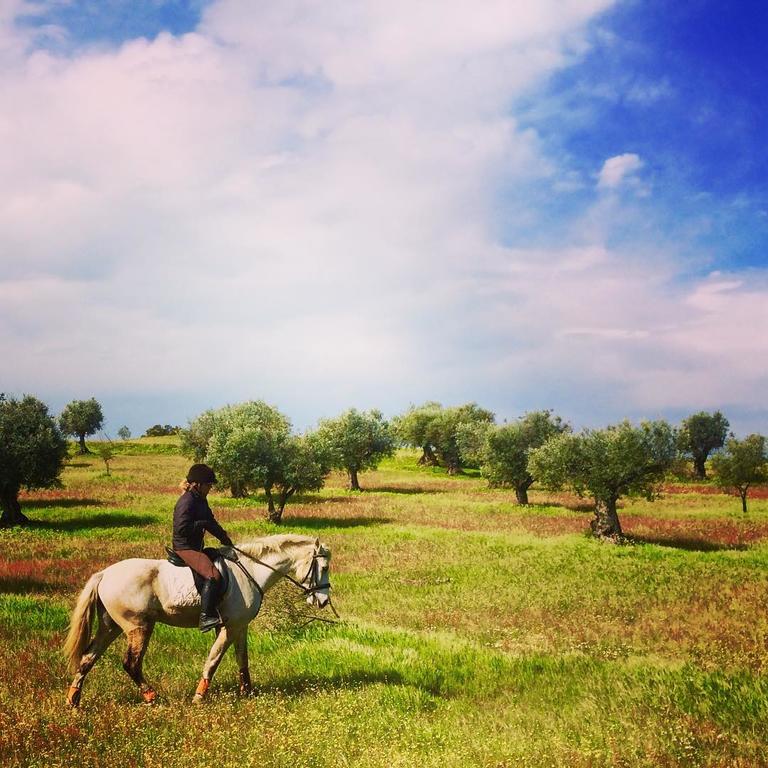
Portugal is a great place to recover from traumas related to addiction. It’s a picturesque country with a lovely Mediterranean climate. It’s dotted with quaint villages, ancient ruins, majestic castles, and miles of beautiful coastline. And there are few regions better suited to recovering your health than Portugal’s sun-drenched Alentejo region. A land of rolling hills and vast plains, the Alentejo offers visitors the opportunity to recover their health and connections to the natural world by riding horses, watching birds, stargazing, hiking, and cycling. Many South African visitors are especially appreciative of the temperate climate, peaceful lifestyle, and delicious regional fare, and escaping the punishing heat of South African summers can be extremely beneficial to your mood and receptiveness to treatment. All this, while enjoying a rehab facility that rivals a luxurious resort or hotel for a fraction of the cost of treatment back home. You’ll disconnect from a toxic environment and share amazing new experiences with people from all around the world!
2) Privacy

Iboga Safety: Know The Facts
While increasing numbers of people are coming to the understanding that addiction is a medical issue, there is still a significant social and professional stigma that comes with seeking treatment for substance abuse. If you head to Portugal, it’s easy to tell friends, family members, and colleagues that you’re off on a much-needed vacation and avoid awkward conversations and prying questions. There’s also no risk that someone will spot you emerging from a clinic or support group meeting and start whispering.
3) Promising Treatments Unavailable In South Africa
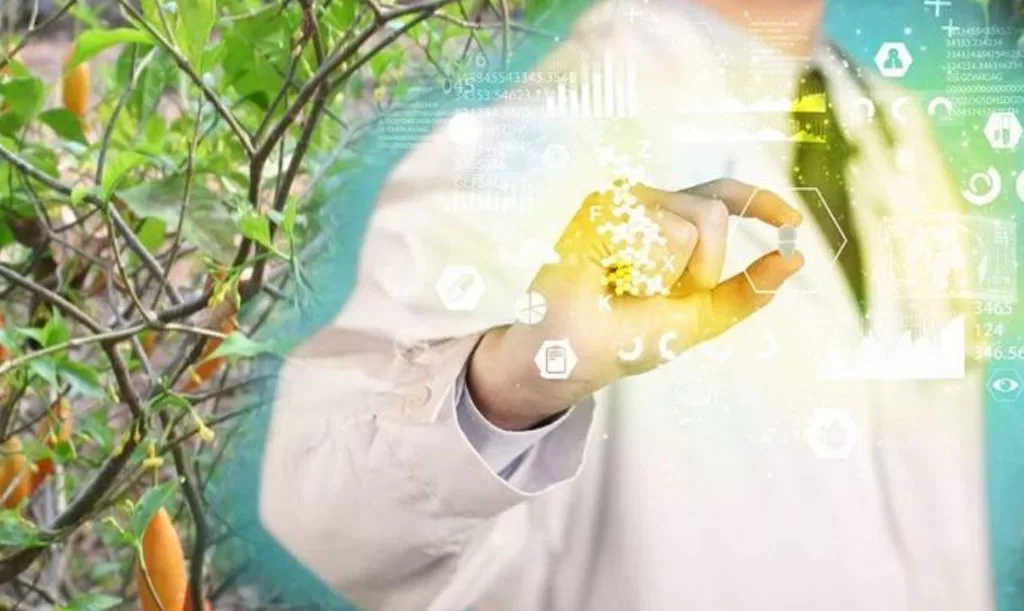
We’ve written a lot about the undeniable power of ayahuasca and ibogaine to combat the addictive properties of opioids and other drugs, and to open the addicted mind to the idea of a positive transformation into sobriety. Because Portugal has decriminalized all drugs, promising treatments that cannot be obtained in a safe medical setting in South Africa can be accessed here with the supervision of health-care professionals. If you think a treatment that uses a psychoactive substance is your best option, we’d recommend getting away from SA, where many psychoactive substances like ayahuasca and psilocybin are illegal, which makes it difficult to find responsible treatment providers.
4) Easy Intake

Easy Intake
When you’ve reached rock bottom, a treatment center that can quickly start the process of detox and recovery can be a life-saver. The prospect of waiting months for the in-patient treatment you need can be a heart-breaking, motivation-sapping roadblock. South Africa’s drug treatment programs are underfunded, one of the main reasons why the majority of South African addicts are pushed into less intensive outpatient treatment programs. Treatment centers abroad can immediately start the intake process, allowing you to strike back at your addiction when you’re feeling hopeful and motivated. This can make all the difference in the world!
Iboga Tree Healing house
Why South Africans Are Seeking Treatment Abroad
At Iboga Tree Healing House we have a unique ability to accommodate clients from around the world with our welcoming, open-minded, and international staff.. You’d be hard-pressed to find a treatment center more committed to the safety of their clients than Iboga Tree Healing House. We’re also deeply committed to maintaining a supportive and non-judgemental environment for facilitating recovery and personal growth.
In addition to offering iboga therapy, we also provide a wide array of holistic treatments, including breathwork, kundalini yoga, equine-assisted therapy, kambo, and more. All of these practices are extremely beneficial for re-energizing both body and spirit to pursue recovery. In combination with our ten-hectares of outdoor space, large terraces, and outdoor swimming pool, we let nature remind our clients to be grateful and receptive for new horizons and second chances. We have many testimonials from people around the globe who’ve benefited immeasurably from experiencing our treatments in beautiful, sunny Portugal. If you’d like to experience treatment abroad, don’t hesitate to get in touch!
16th November 2020 • Sticky Post
Naikan Therapy Explained: An Interview With Binod Aryal
Naikan Therapy was developed in Japan in the 1940s by a Buddhist monk named Ishin Yoshimoto. A member of a devout sect, Mr. Yoshimoto developed the technique to make mishirabe, a grueling method of introspection, meditation, and self-reflection, available to all, a softer yet equally effective approach.
Naikan is based on continually asking oneself 3 questions: what have I received from _____; what have I given to _____; and what problems and difficulties have I caused _____? The questions allow individuals to reflect on the nature of their relationships and connections with others, and to view their own actions and behaviors through the eyes of those around them. In Japan Naikan Therapy is used in many areas of society, ranging from prisons and drug treatment centers to businesses and schools.
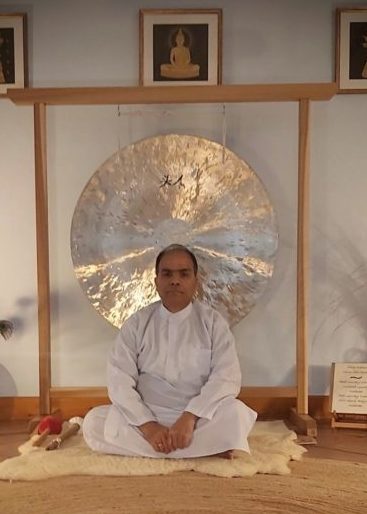
Naikan is still largely unknown in the West. At Iboga Tree Healing House we’re delighted to welcome Naikan Therapist and founder of the RIC-Rose Foundation Binod Aryal to our team. Mr. Aryal has spent years studying Naikan therapy in Japan, Europe, and Nepal. He also has a host of certifications and a wealth of experience working with the addicted in Nepal and the UK.
We sat down with Binod Aryal to ask about the unique benefits this promising treatment can offer to the addicted...
Naikan Therapy Explained:
An Interview With Binod Aryal
For those unfamiliar with Naikan therapy, how would you describe the practice?
It is human nature that everybody seeks peace and harmony to live in this world. We often experience dissatisfaction, anger, unhappiness etc in our day-to-day life. When we suffer from these miseries, we distribute them to others as well. Unhappiness transforms the atmosphere around someone miserable, and those who come in contact with such a person also become affected. So, Naikan is an easy method to eradicate all types of negative emotions and to solve relationship problems. Naikan is a Japanese word that means “looking inside,” or “seeing oneself with the mind’s eye.” It helps us to understand ourselves, our relationships, and the fundamental nature of human existence. “This is the easy process to enter in the unconscious and deep unconscious mind. It is an observation-based, self-exploratory journey that focuses on deep interconnections between the mind and body. Naikan a is non-sectarian technique that aims for the total eradication of mental impurities and helps practitioners to express gratitude for those people, places, situations, and things that gave direct or indirect support for us to live in this world. It is natural for the mind to wander off, and the best way to stay focused on what’s truly important is to ask the three simple questions that are the essence of Naikan:
- What have I received from _____?
- What have I given, what have I done for _____?
- What troubles and difficulties have I caused _____?
First question: Gratitude:
The questions themselves seem rather simple. That’s because they are. The depth of experience, insight, and realization that can come from the practice of self-reflection is not a result of intellectual analysis. Our challenge is simply to see reality as it is. These questions are simple inquiries that allow researching our life’s mysteries, miracles, and the hidden feelings of our deep unconscious mind. This process will help us to achieve freedom from all kinds of cravings and aversions through non-judgmental observation of ourselves and those around us.
Through the Naikan experience, the nature of how a person grows or regresses, how one produces suffering, or frees oneself from suffering is understood. This process will help to increase gratitude, self-realization, self-respect, self-control, and peace. We forget the many kinds of support, love, and help we receive through our life’s journey. We focus only on those things we have not received. This attitude makes us frustrated, unhappy, angry, and resentful. We begin to blame those around us. We expect many things from others but we forget what we have received. The desire or expectation is the source of anger. If we are able to recognize the source of anger, we are able to generate love, concern, and compassion which lead us to peace and happiness. Gratitude makes us feel good when we experience it. It helps us notice what is already good in our lives instead of what is bad, which helps us develop positive feelings about ourselves and our lives. Gratitude makes us aware of the good other people do for us. As a result, we feel loved, cared for, and appreciative, which makes us feel better about ourselves and improves our self-esteem. Our emotional and physical health aren’t the only beneficiaries of our gratitude. The people around us benefit too, in multiple ways. Naikan meditation increases the amount of love and kindness in the world.
Second question: Our service to others:
When we know that we have done something to help another person, we develop a more positive view of ourselves. Our negative feelings will be eradicated and self-esteem will be increased. We will find meaning in our own lives. We will realize we are in this world not simply to survive but also to bring joy and peace to others. This feeling will develop our sense of spirituality. The self-centered behavior will cease. We will feel peace and joy helping others even without any expectations. Having people we admire and look up to in our lives can be a great resource for learning and motivation. How much we help others generally determines how much we can help ourselves. When we help others, we can live with self-respect. Self-respect helps us to develop trust in ourselves.
The law of karma teaches us that all of our thoughts, words, and actions begin a chain of cause and effect and that we will personally experience the effects of everything we cause. It is a cosmic law, which means that it applies to everyone, everywhere, all the time. So, if we help others, we will be helped by others. We don't need to receive rewards and gratitude from those we have helped. Naikan can help us to be aware of our own good and bad actions, and teach us to live a karmically healthy life.
Third Question: Self-Realization:
The third question helps us to realize our mistakes and transgressions and to take responsibility for our unethical deeds. We should spend most of our time reflecting on how we have caused others trouble. If we are not willing to see and accept the instances when we have caused others’ suffering, then we cannot truly know ourselves or the grace by which we live. It is also a part of the karmic process and will help us to overcome feelings of guilt and shame. Self-realization is the recognition of one’s true self. Self-Realization is considered the gateway to eternal happiness. Self-realization means removing negative layers of one's personality to understand the true self and the nature of reality.
Self-realization begins from the following questions,
- What is my relationship with myself and the process that will lead me to salvation?
- What is my relationship with other people and other beings today?
- What is my relationship with the environment and the world around me? Have I caused any difficulties or problems today for other people or the world?
These questions provide a foundation for reflecting on all relationships, including those with parents, friends, teachers, siblings, work associates, children, partners and nature. In each case, we acquire a more realistic view of our conduct and the give-and-take that has occurred in the relationship.
How did you first learn about Naikan, and what led you to connect so deeply with the practice?
I have been a spiritual seeker since my teenage years. I was always praying and worshipping God. As a Hindu, we have many different Gods. I believed there was some supreme power who would reward us if I repeated his name again and again. I was not aware of my actions and deeds. I was not internally satisfied with this belief system. When I became a young man, I was experimenting with different traditions in search of real satisfaction. But I never got real satisfaction in my life, even though my spiritual practice was always there.
I got an opportunity to learn scientific meditation techniques in 1997: Vipassana and Aanapana . It satisfied me and I felt I had finally reached my real destination. I finally felt I had achieved internal purification. I could generate good Karma to get real peace, both emotionally and materially. I believed that good Karma would lead me to happiness, but my actions and thoughts were selfish. Meditation helped me to overcome my deep unconscious guilt, shame, resentment, and anger. I corrected the self-righteous attitude I had mistakenly adopted. I realized nobody else was responsible for my misery. My actions were the sole cause of my unhappiness and misery.
I was working with addiction and related mental health clients in Nepal. I found that some of them could not follow the Vipassana meditation method because of its rules, regulations, and complex methods. I tried to search for easier methods than Vipassana meditation for these groups of at-risk clients. I came in contact with Naikan, the Japanese art of self-reflection in 2014. I invited two Japanese and German teachers to Nepal. I hosted them in my home for a month. I rented an Ashram in the mountains for two courses. My wife and I joined as participants in the first course. The second course prepared us to lead Naikan therapy groups. There was a famous Naikan teacher in Japan named Professor Akira Ishii. He knew my passion for the subject and invited me to China to attend another course. I completed a very intensive course in China. I invited Prof. Ishii to Nepal to conduct Naikan sessions every year. Now we collaborate to conduct a few training sessions each year in Nepal.
In what ways is Naikan different from mindfulness practice or keeping a journal?
To answer this question properly, I would begin by saying that there are two kinds of Naikan Therapy.
- Weekly Intensive Naikan retreats: With this option, it is the process of observing our conscious and unconscious mind to clean all the negativity out and gain freedom from our cravings and aversions. Analyzing present and past events plays a significant role in this process and allows for future planning based on purification and wisdom.
- Daily Naikan practice: This is the process for living fully in the present reality with full self-awareness in our daily life. Of course, it is similar to keeping a journal but not on paper. Our experiences will be recorded in our minds and souls. Daily Naikan is a way of life. We use Naikan practice in everyday life by asking the three questions to cultivate awareness of our behavior, attitudes, to build gratitude, and to realize the impact of our deeds and responsibilities. In addition, we establish a daily practice in which we remind ourselves of the gifts, grace, benefits and good things we enjoy in our daily life.
Why do you think this therapy is especially beneficial to those in recovery? Do you use it in tandem with the 10th step of making a self-inventory, or do you think it should be kept separate from traditional modalities?
I think Naikan is a more in-depth method for the 10th Step. The 10th step allows you to recognize your problems but not to work on solutions. So I think Naikan should be kept separate from traditional modalities. There are some similarities between Naikan reflection and the self-inventory addicts are encouraged to take daily if they use the 10th step of 12-step program. But instead of emphasizing past wrongs and making amends, so that we feel better about ourselves and therefore don’t need to drink or use again, the Naikan approach challenges us to think selflessly about what we can do for others. Naikan pushes us to change our actions for the sake of acting considerately and correctly, rather to achieve a specific outcome or emotional state.
Addiction starts as a pleasant experience, chasing pleasant feelings and running away from the unpleasant. It becomes an addiction when the experience is no longer pleasant, but the person compulsively attempts to repeat and even intensify the pleasure produced by drugs. Addiction becomes a lifestyle. This produces strong feelings of guilt and self-hate associated with the addiction which causes the addict to rely more heavily on his or her drug. The vicious circle keeps rolling. To gain freedom from addiction, one has to eliminate its deep-rooted causes. It is impossible to break the cycle through an exercise of willpower or self-control. We need to investigate our unconscious mind. The unconscious mind is like a hard disk where all of our memories are stored. The addiction has gone to the deepest level of the mind, and there is every likelihood of it becoming rooted in the deep unconscious. We have to clean our Sanskar of the unconscious mind. This can be done by participating in a Naikan retreat. Naikan therapy
Which aspects of the recovery process do you think Naikan therapy is particularly helpful with?
The practice of Naikan has been applied successfully in Europe and Japan to issues like substance abuse, depression, anxiety, criminal behavior, and family discord. The approach differs in many ways from traditional western therapy approaches. For example, traditional treatment approaches focus on feelings, while Naikan focuses on facts and the reality of relationships. Western approaches may place more emphasis on looking at how the client has been hurt or mistreated by others, while Naikan encourages more focus on how the client has been cared for and supported.
I have already mentioned that Naikan can lead deep inside the mind where addiction and its causes are rooted. There is no other way to enter into the deep unconscious mind. The Naikan approach will help us to dig deeper and keep awareness of daily activities and supports to treat unconscious deep-rooted cravings and memories of the addiction.
How important do you think awakening a sense of gratitude is to the recovery journey?
Of course! If we are grateful for being sober, it is more likely we will stay that way. By being grateful we will continue to work toward our goals in recovery. Each day is a gift and each day sober is a new chance to appreciate those things and people in our lives that bless us. Gratitude helps to reduce selfish thoughts and the ego. The ego creates defense mechanisms for the person with substance use disorder. This is a major barrier to recovery. Naikan will help us to think less about ourselves and more about the efforts of those trying to help us. It develops humility and gratitude. Service does take some level of humility and you will find that being humble is a strong foundation for cultivating gratitude in our lives. When we are continually grateful for our recovery it will begin to bless us in ways we never would have imagined.
“Our life is what our thoughts make it.” In other words, if we change the way we think about life, if we change the way we think about the world around us, we can change our lives, too. By thinking positively and being grateful for what we have, we can live a more fruitful, favorable life.
We know that Naikan is informed by the Buddhist spiritual tradition. Have you noticed any roadblocks while working with members of other faiths, or people who don’t consider themselves spiritual?
Of course, Naikan is developed by Yoshimoto Ishin, He was a devoted Buddhist of the Jodo Shinshu sect in Japan but Naikan has no relationship with any religion. We meditate only on three questions. Mr. Yoshimoto discovered an easy method that could be more widely practiced. So, everybody with another faith or those who don’t consider themselves spiritual can participate in this course. Naikan is used to discover the true nature of our lives through a spiritual awakening, which commonly entails the realization of how we live due to the care of others and how we suffer because of our own self-centeredness.
Have you noticed Naikan working in tandem with iboga treatment? Do you feel that the two treatments are stronger when combined?
Of course, it will be a powerful treatment procedure after Iboga treatment to attend a weekly NAIKAN retreat. Intensive Naikan [weekly] is commonly done to solve a specific problem, such as drug /alcoholism, gambling addiction, a psychosomatic disorder, or a bad relationship with a family member. It cultivates greater self-awareness with regard to how our minds work. This final purpose of Naikan is a method for learning how to live happily regardless of one’s life circumstances.
At Iboga Tree Healing House we are committed to utilizing holistic therapies in order to heal minds and bodies ravaged by addiction. We’re extremely excited about the potential of Naikan therapy as a complement to iboga treatment, and a method for furthering mindfulness and spirituality among our clients. Gratitude and meditation are both extremely powerful tools for helping individuals along in their recovery journey, and we feel that Binod’s presence will be a boon to all of our current and future clients!
13th November 2020 • Sticky Post
Harm Reduction in 2020
Harm Reduction can be defined essentially as a range of policies designed to minimize the impact of behaviors with negative social, physical, and psychological consequences. The term is generally used to refer to a number of public policies related to substance abuse and addiction. Policies that fall under the umbrella of harm reduction would include needle exchanges, safe injection sites, opioid replacement therapy, and the decriminalization of drugs of abuse.
Harm reduction gained traction as a strategy for dealing with drug abuse in the 1980s, as the AIDS epidemic was at its height. A coalition of academics, activists, and public officials looked to limit the spread of the disease, and decrease the human and financial burdens created by addiction. As the concept developed over the years advocates of harm reduction have pointed to programs like supervised injections, needle exchanges, alternative sentencing measures, and decriminalization as ways to create better outcomes for both addicts and taxpayers. The concept has come to include creative measures such as “Illegal” magazine, a Danish publication provided to addicts which allows them to earn money by selling the publication in the manner of “The Big Issue” rather than resorting to crime or sex work.
Perhaps the greatest coup the movement has scored was persuading the Portuguese government to wholeheartedly adopt the strategy in 2001. Portugal decriminalized all drugs and began to treat addiction and substance misuse as a health issue, a tectonic shift that ended a great deal of the stigma and dehumanization that too frequently surround issues of addiction. Over the past two decades, Portugal has seen dramatic drops in the spread of HIV, deaths from overdose, and drug-related crime. Yet few countries have adopted this successful approach. Let’s take a look at the state of harm reduction measures in 2020, and explore the question of why the Portuguese model hasn’t been more widely adopted.
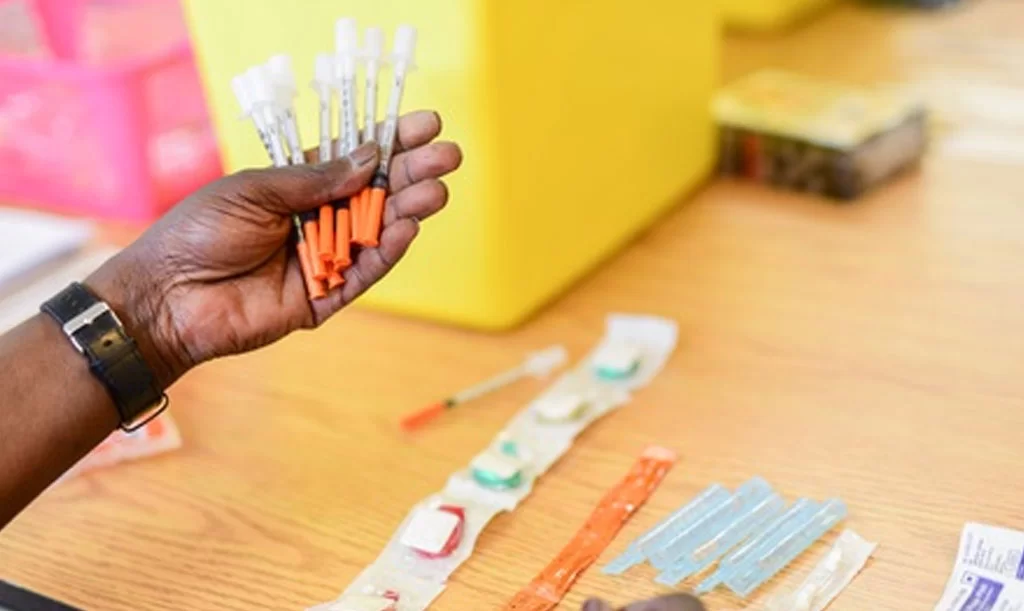
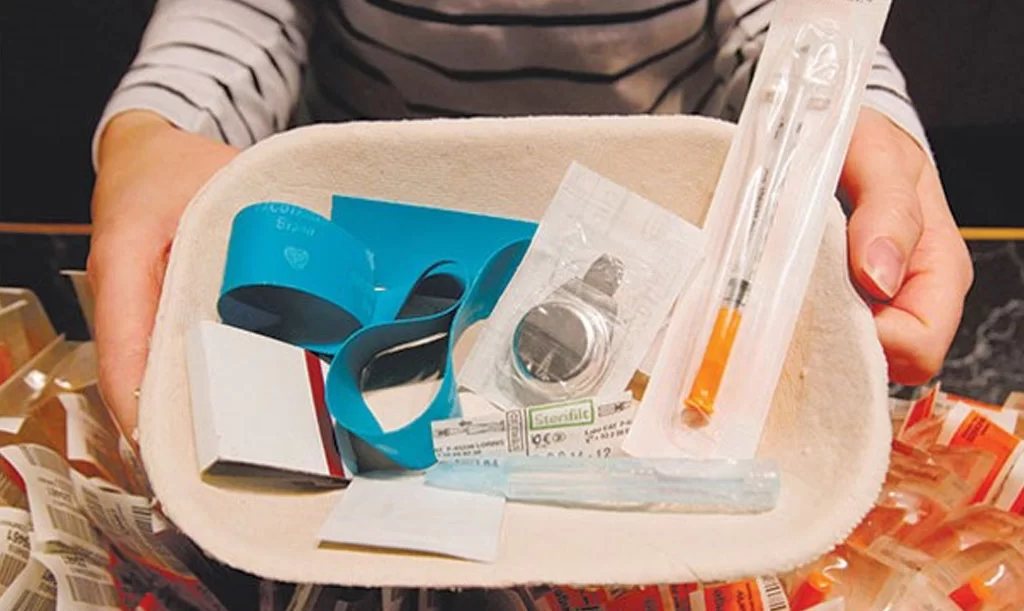
We can see mentalities to illicit drug use changing, as cities, states, and countries move towards decriminalization of certain drugs. Canada, South Africa, and an ever-growing list of American states have recently legalized cannabis, a shift that signals that attitudes towards illicit drug use, if not addiction, are changing in the "First World". Meanwhile, Canada, Australia, and 10 European countries are currently operating safe-injection sites for intravenous drug use. This seems like progress, but if you consider the fact that these sites are proven to save millions of dollars in health-care costs by preventing overdoses and the spread of HIV and hepatitis, it’s shocking that these facilities aren’t more widespread. A similar problem exists with needle exchange programs. Even with an indisputable array of evidence demonstrating that needle exchanges prevent the spread of diseases associated with intravenous drug use, according to Wikipedia, only 14 countries around the world provide this service, and in the USA there is a federal funding ban on these exchanges.
Portugal’s decision not to arrest or incarcerate anyone for drug possession allowed the country to provide more funding for health-care services instead of law enforcement. Decriminalization has saved the government millions of Euros and changed public conceptions of who the addicted are. According to The Guardian, people who used to be called “drogados”, a derisive term for addicts, are now referred to as “people who use drugs.” And this has happened in a country that used to employ the slogan “Drugs are Satan!”
Meanwhile, in countries like the United States, the UK, and Sweden, attitudes, and policies for dealing with the addicted remain mired in moral condemnation of drug users. 47% of the inmates in American federal prisons are incarcerated for drug offenses, while in the UK 15% of adults and over 20% of juveniles currently incarcerated are serving time for drug offenses.
Outdated policies based on moralistic views of drug users have made the toll taken by the global opioid epidemic even more horrific. People who began using prescription drugs for genuine pain are now being forced into the black-market to procure the substances they’d been encouraged to use by healthcare professionals, a process that leads to incarceration and even death. Meanwhile, promising treatments including psilocybin, ayahuasca, and ibogaine are languishing in the wings while the problems they could help solve rage on unabated.
Attitudes towards the addicted are changing, and that gives us hope for a brighter future. We just hope that governments can accelerate their adoption of this new paradigm.
Harm Reduction in the Developing World
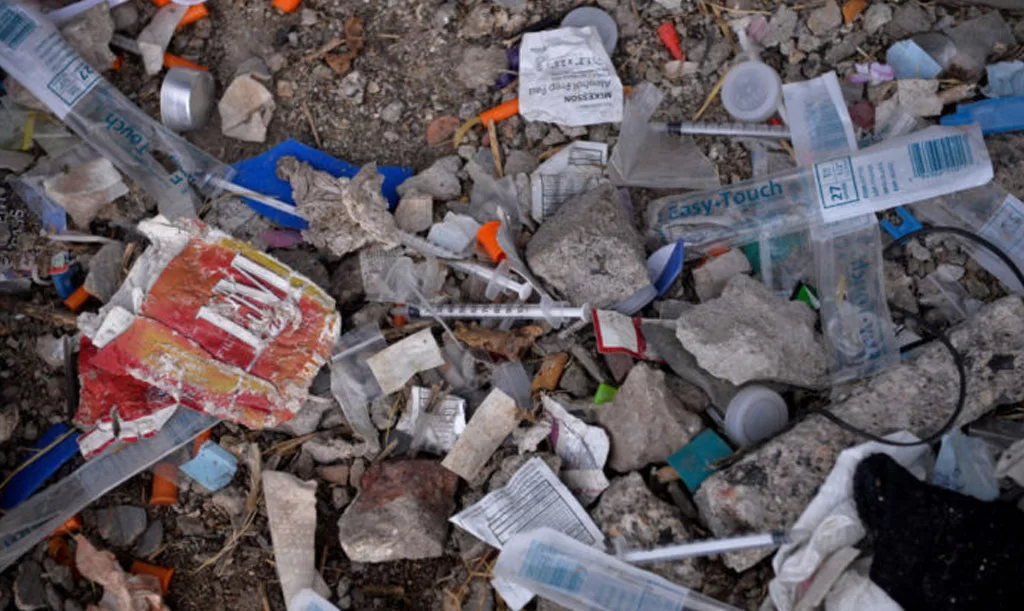
Countries like Ghana and Colombia have been pushing to decriminalize drugs, and reform draconian laws which too often ruin the lives of young and poor people. In Ghana, someone caught with a single joint of marijuana was subject to 10 years of jail time. Many activists in the country feel that the popular reforms are being stalled by a police force and judiciary who fear the change would weaken their hold on power. Meanwhile, reports from Colombia show that the number of people in jail for drug offenses jumped by 250% following legal changes in 2009 which decriminalized possession of small amounts of cocaine and marijuana.
For intravenous drug users, the 2017 Lancet Global Health Report found that lower and middle-income countries (LMICs) experienced chronic under-funding for needle exchanges and other harm-reduction measures aimed at halting the spread of HIV. This is especially troubling because injection drug use is now far more prevalent in these countries than in the developed world.
In Asia, harm reduction seems even further away. The region leads the world in executions for drug offenses, and many of the continent’s largest countries, including Thailand, China, India, Korea, and Vietnam view drug trafficking as a capital offense. While harm reduction programs have appeared, the NCBI reports that they are generally small programs that reach few of the people in need.
Structural issues are a major barrier to significant harm reduction in Asia, as the social stigma surrounding drug use is far greater than in the West, and harsh penalties for simple possession keep many of those in need of treatment from accessing healthcare systems. In the Philippines, the situation is extremely grim for drug users, as President Duterte’s misguided drug war has taken the lives of an estimated 20,000 people who’ve been targeted for extrajudicial execution.
The Future
As firm believers in harm reduction who have watched firsthand as Portugal’s progressive, humanitarian policies transformed thousands of lives, we find reasons to be both saddened and encouraged by the global progress of harm reduction. At Iboga Tree Healing House we dream of a day when governments around the world adopt the fiscally prudent, deeply compassionate policies that fall under the umbrella of harm reduction. For the time being, we would recommend that addicts in regions with outmoded, repressive laws and policies regarding addiction venture abroad for treatment.
11th November 2020 • Sticky Post
Addiction: A Family Disease
Addiction doesn’t just affect the addict. It takes a horrible toll on husbands and wives, parents and children, and often extended families as well. It is frequently passed down through generations, creating a pattern of trauma that perpetuates itself time and again. Many researchers also feel that certain genetic factors make some families far more vulnerable to addiction than their peers. All of these statements are so widely believed that they are almost cliches at this point. Yet most conventional modalities for treating addiction focus purely on the individual addict and do little to heal families that have been torn apart and brutally traumatized. The time has come for treatment providers to focus more attention on the families of the addicted.
Healing Together
Addiction
We’ve written before about the strength that those in recovery can draw from group therapy and peer engagement. The benefits include strengthening bonds, imparting wisdom, and instilling confidence and hope. Group therapy works so well in part because surrogate families are created which allow the addict to draw necessary support from their peers. When actual families become involved in the process, these benefits increase exponentially.
Numerous studies have shown that involving families improves treatment outcomes. Addiction treatment coupled with family therapy has been shown to reduce relapse rates, improve medication adherence, reduce psychiatric symptoms, and lower overall stress levels. According to the US-based National Institute on Drug Abuse (NIDA), the benefits of family involvement include:
- Keeping the sufferer engaged and motivated during treatment
- Discovering more about addiction and its effects on the family as well as understanding how treatment is conducted and what is to be expected when it’s complete
- Enabling family members to make their voices heard, share feelings and concerns and ask important questions about a loved one’s addiction
- Offering the sufferer adequate and appropriate support after treatment
- Helping to ease feelings of fear, anger, stress, and confusion related to the addiction
- The chance for family members to develop skills and strategies to guide their loved one through the recovery process
- Improving the family’s communication and conflict resolution skills
- Offering the opportunity to address any mental health issues within the family, such as depression or anxiety, which could increase familial stress and contribute to relapse
Addiction and Family Trauma
Addiction and Family Trauma
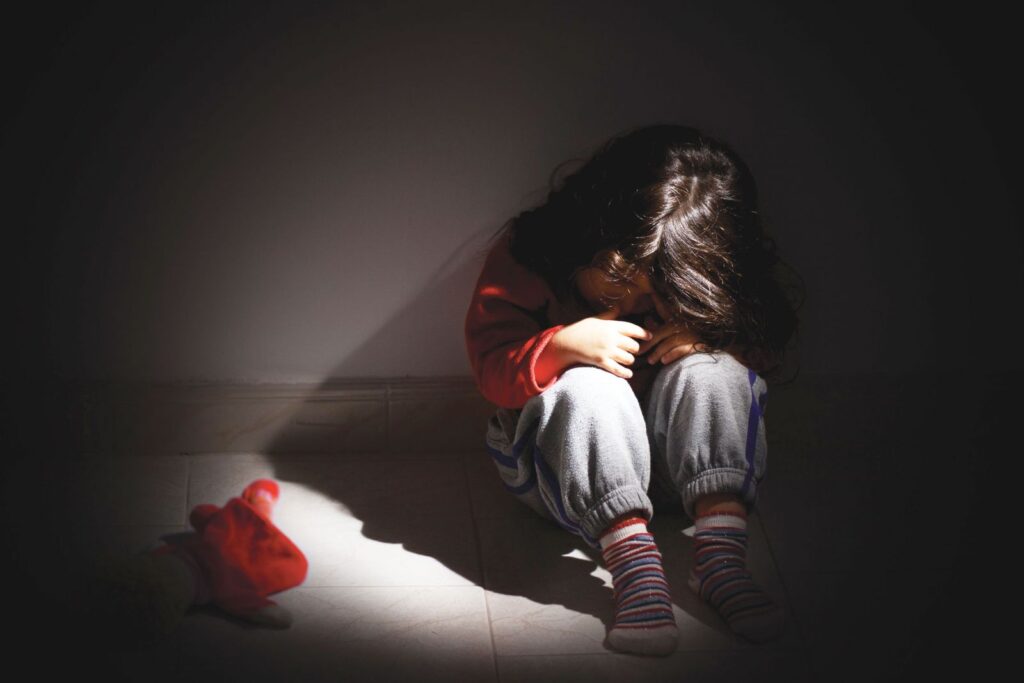
Dr. Gabor Mate has written eloquently about childhood trauma as a precursor to, and cause of, addiction. He feels that pain from childhood suffering becomes internalized, and leads adults into destructive cycles of self-medication. As Mate states, “hurt is at the center of all addictive behaviors. It is present in the gambler, the Internet addict, the compulsive shopper and the workaholic. The wound may not be as deep and the ache not as excruciating, and it may even be entirely hidden — but it’s there.”
A great deal of research seems to confirm the link between early trauma and addiction. A study in Atlanta found that participants who experienced physical, emotional, or sexual abuse as children and exhibited symptoms of PTSD were far more likely to suffer from substance abuse disorders. The study found that this increased risk of addiction was independent of any trauma suffered in adulthood. Of the subjects, lifetime substance dependency rates were 39% for alcohol, 34% for cocaine, 6.2% for opioids and 45% for marijuana. Another study looked at subjects who had been exposed to 0-10 types of adverse childhood experiences and found that subjects exposed to 5 or more were 7 to 10 times more likely to report illicit drug use problems. There are a number of other studies which appear to bear out Dr. Mate’s belief that addictions are rooted in childhood trauma.
We are inclined to accept Mate’s assertion that adverse childhood experience is a common factor in an overwhelming majority of addicts. We should also note that childhood trauma includes not just dramatic experiences like emotional loss, various types of abuse, and mental illness, but also more commonplace causes of harm such as depriving children of fundamental needs that must be met for healthy emotional and mental development. If an addicted family member claims that they suffer from childhood trauma, it’s important to remember that they aren’t necessarily accusing you of abuse or neglect, they’re simply sharing their pain.
Family's Part in the Recovery Journey
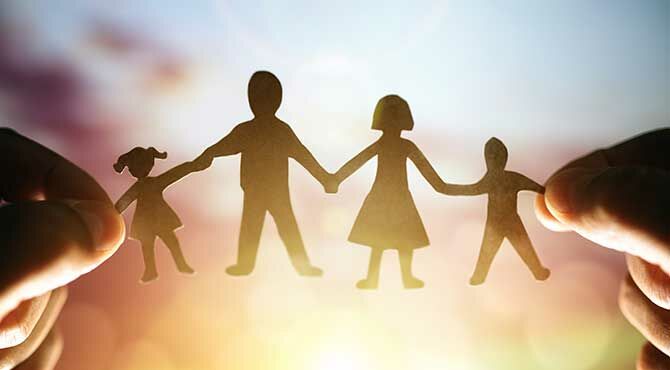
Family's Part in the Recovery Journey
Involving the family in treatment is invaluable, as it can allow the addict and their loved ones to make peace with the traumatic childhood experiences which lead to addiction. Forgiveness is an essential part of recovery, and opening up an honest and respectful dialogue with family members can lead to acceptance of the flaws and shortcomings which led to trauma, and offer the opportunity to start fresh. As the speaker in this powerful Ted Talk notes, forgiveness isn’t a shortcut to healing, but a path to freedom, which enables the person wronged to move on from painful memories and remove bitterness and negativity from their lives.
At Iboga Tree Healing House we are firm believers in utilizing the deep bonds created by love, shared experiences, and understanding which only a family can offer. Finding forgiveness can remove the addict from their isolated state, and free their families from an endless cycle of negativity and recriminations. Addicts need to make peace with their pasts, and involving the family in this process can allow them to explore the causes of their pain and build the skills necessary to deal with it in a healthy manner. By working with your loved one as they go through the recovery process you won’t just help them to heal, you’ll also heal yourself.
6th November 2020 • Sticky Post
Understanding Psilocybin Therapy
The use of psychedelics in treating all manner of mental illnesses has been a hot topic in recent years. Scientists at prestigious institutions such as Johns Hopkins, New York University, the University of New Mexico, and Imperial College in London have conducted small but rigorous and controlled studies which have shown the immense potential of psilocybin therapy in dealing with depression, anxiety, and addiction. These studies have led to numerous books exploring the history and medical potential of psychedelics to change and heal the mind, most notably best-selling American author Michael Pollan’s “How To Change Your Mind.”
As momentum has built, a number of jurisdictions have decriminalized the cultivation and possession of psilocybin (the active ingredient in “magic mushrooms”), notably the major American cities of Oakland, California, and Denver, Colorado. 2020 will also see voters in Oregon and California decide on whether to legalize the substance throughout their states. Many psychologists, physicians, and people afflicted with mental illnesses are eager to take advantage of the benefits offered by this remarkable plant. As Mr. Pollan puts it:
a single psilocybin trip guided by trained professionals has the potential to relieve “existential distress” in cancer patients; break addictions to cigarettes, alcohol, and cocaine; and bring relief to people struggling with depression. Psychiatry’s current drugs for treating these disorders are limited in their effectiveness, often addictive, address only symptoms, and can come with serious side effects. Thus, the prospect of psychedelic medicine is raising hopes of a badly needed revolution in mental health care.
Psilocybin Treatment: The Process
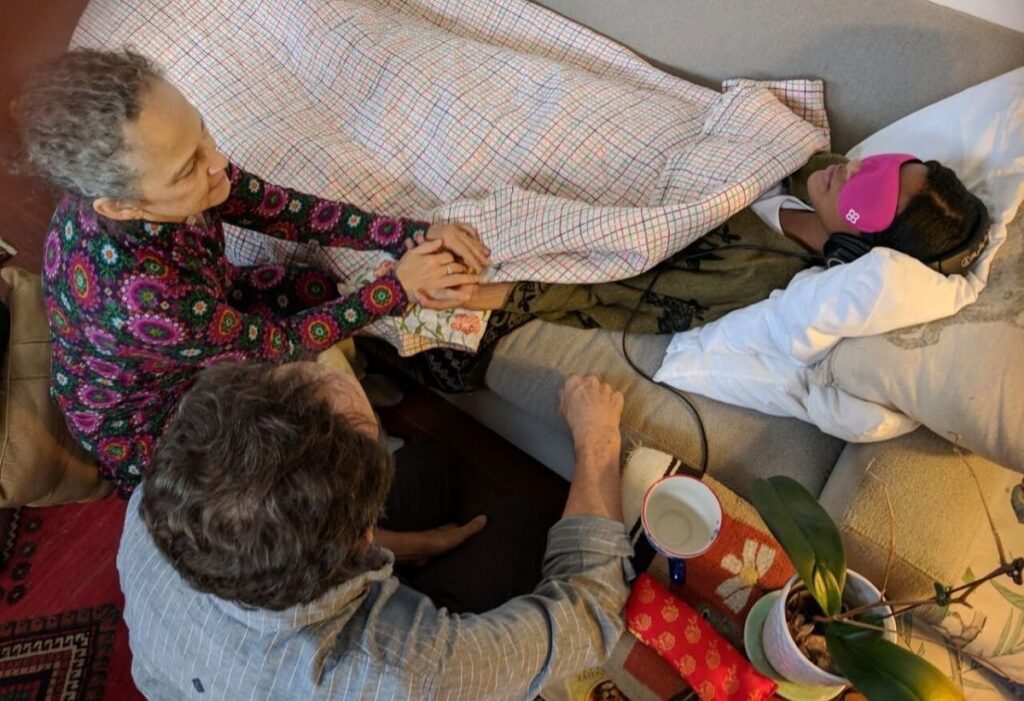
Understanding Psilocybin Treatment
While there isn’t currently an established model for psilocybin treatment, most of the studies conducted thus far have patients use the substance in a controlled environment, supervised by a psychologist who guides them through the experience. The Imperial College study on depression offered patients a 25-milligram capsule of psilocybin, which is a substantial dose. They were placed in a room with a bed, surrounded with flowers and candles, and guided through traumas, significant past events, and formative memories.
A study at the University of New Mexico on psilocybin therapy for alcohol addiction offered participants four weeks of traditional psychotherapy, before giving them a dose of psilocybin in a quiet, comfortable room with male and female “co-therapists.” In this study, the therapists did little more than direct patients to “turn their attention inward” and go where their minds took them. This was followed by four more weeks of psychotherapy, another psilocybin session, and a final bout of traditional therapy.
As one participant noted, his experience wasn’t focused on his dependence on alcohol, but rather on the stresses, guilt, and happiness which his relationship with family members created. His recovery wasn’t motivated by a desire to avoid alcohol, but rather by the prospect of improving his relationships with loved ones. He reported being effortlessly abstinent for months afterward, before beginning to drink moderately once again but with “a conscientiousness he had never experienced with alcohol before.” Two years after the study his drinking remained under control, and he had repaired his marriage and relationships with his children.
Why is Psilocybin Treatment Effective?
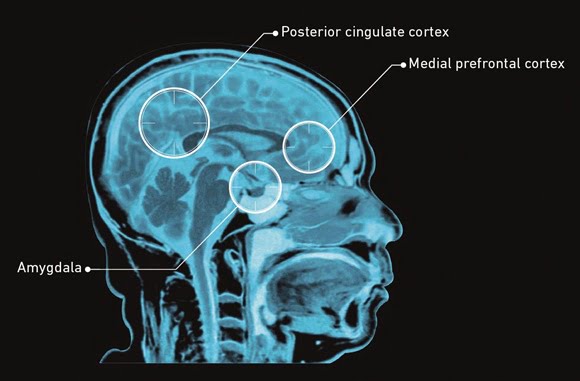
Why is Psilocybin Treatment Effective?
While many countries are accelerating research into psilocybin therapy, no one is exactly sure why the treatment has proven to be so effective. Nonetheless, there are a number of compelling theories as to why it works. Serotonin is often cited as one possible key to the effects of psilocybin, as the substance causes “downregulation” of the serotonin system, which can result in reduced impulsivity and improved mood. But changes to serotonin typically last for just one week, so the longer-term benefits of the treatment must derive from a different source.
Michael Bogenschutz, the lead investigator in the University of New Mexico alcohol trial, posits the view that exposure to psychedelics and oneirogenics can create a phenomenon that mirrors the long-tail effects of PTSD. As he puts it:
"there's a whole process that happens when a toxic memory is seared into the brain. The only physical effect is probably light hitting the eyes. It's the meaning made of that memory, and the brain and body's reaction to the meaning, that can cause lasting damage. So if there are experiences that are so toxic and so horrible that they can cause physical and psychological damage, it's not a crazy idea that there are some experiences that are so positive, so beneficial that they can have a healing effect."
Other researchers point to the concept of “ego death” that has long been associated with psychedelics. Robin Carhartt-Harris, a researcher at Imperial College, notes that psilocybin reduces activity in the brain’s “default mode network”, a collection of brain regions and neurotransmitters that are believed to construct an independent self and place it at the center of perceptions and experiences. Psychedelics help individuals to pay less attention to the self, breaking down walls and facilitating connections. Since many depressed and addicted people are plagued with a deep and abiding sense of isolation from others, this can feel like a dramatic escape from a mental prison. Many of the participants in these studies reported that psilocybin dramatically reduced their sense of alienation.
Another theory is that the therapy increases neuroplasticity, changing and reshaping neurons in the brain. This remodeling of cells is the basis of all learning, and substances like psilocybin and iboga have been proven to improve neuroplasticity. Addiction, anxiety, trauma, and depression can create negative changes in brain chemistry, as the mind learns to take pleasure or stress from external cues. Psilocybin seems to help restore the brain to a pre-addicted state.
Psilocybin Treatment: Safety Concerns
Psilocybin Treatment: Safety Concerns
While psilocybin therapy has shown immense promise to heal mental wounds, we would strongly recommend restricting its use to a clinical setting. There are physical and psychological risks that go hand in hand with the benefits of psychedelic therapies, and in many jurisdictions, you can be arrested and incarcerated for use or possession of these substances. Michael Pollan notes that in all societies that used psychedelic substances, ranging from the Amazon to ancient Greece, they were always used with “deliberateness and care.” He writes that these substances “were not taken alone but usually in a group under the direction of an elder or shaman familiar with the mental territory, and they were used only on certain occasions, surrounded by ritual and with a clear intention. There was nothing casual about it.” All would be wise to maintain this level of caution as they experiment with their immense potential.
To find out more about what psilocybin therapy can do for you, contact us now!
3rd November 2020 • Sticky Post
Opioid Replacement Therapy: Weighing the Costs/Benefits
Opioid Replacement Therapy (ORT) is a way to lessen the impact of addiction to opiates and opioids by replacing dangerous drugs like fentanyl and heroin with legal, long-acting, non-euphoric drugs such as methadone and suboxone. Advocates cite a host of benefits that can be obtained through Opioid Replacement Therapy, including reducing the risk of HIV transmission, overdoses, and crime, while helping the addicted to hold down jobs and maintain functional relationships. Opioid Replacement Therapy also theoretically keeps individuals in treatment by reducing the symptoms of withdrawal and the cravings for illicit drugs. It sounds appealing, and methadone has been a popular treatment for years. The World Health Organization has labeled it an essential medicine, and it’s used without question by health-care providers the world over (almost 50,000 kgs. of it are manufactured every year). But is ORT really the best way to treat opioid addiction?
Methadone: Pros and Cons
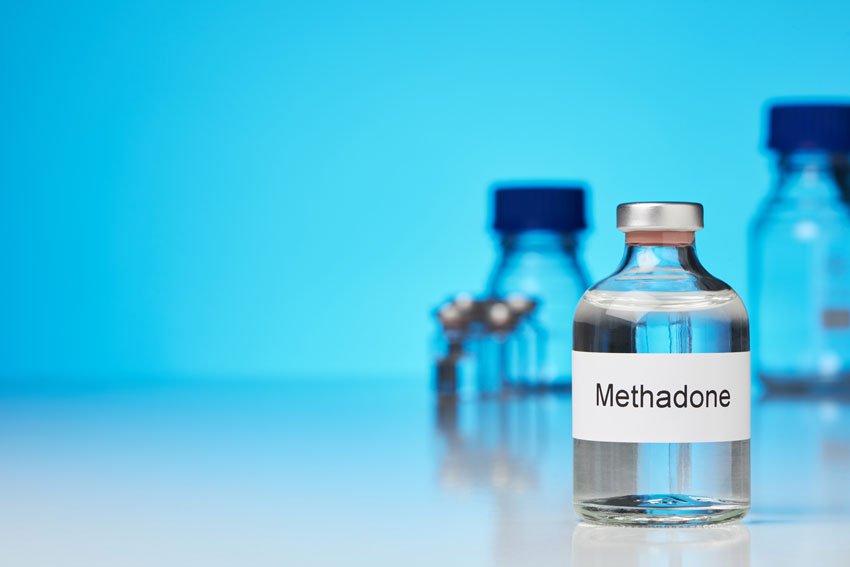
Opioid replacement therapy: weighing the pros and cons
As a long-acting opioid, as well as an opioid agonist, methadone ensures that the user typically needs a single daily or bi-daily dose and that they cannot experience highs even if they use other opioid drugs. This allows those who use the substance to return their lives to some sort of normality. Since most users are obtaining a single dose every 24-48 hours in an outpatient setting, they are free to go about their daily business unencumbered from intoxication or the need to secure more drugs. Furthermore, enrollment in an opioid replacement program generally nudges the user towards meaningful interactions with the health-care system which can successfully steer them towards a more complete recovery.
A study from Harvard University’s medical school found that approximately 25% of methadone users would successfully wean themselves from the substance over the long-term, 25% would continue using it indefinitely, and 50% would eventually return to their previous addiction. A 2009 study from the Cochrane Review concluded that methadone treatment increases the chance of successful treatment outcomes by helping to retain patients in treatment and that it decreases heroin use compared to programs that don’t offer opioid replacement therapy. The study also found that methadone didn’t actually decrease the risk of mortality or prevent criminality in a statistically significant way.
While methadone programs offer some substantial benefits to those grappling with addiction, they come with substantial side-effects and risks. Common side-effects include nausea, vomiting, sexual dysfunction, slowed breathing, and itchy skin, and there is some evidence that prolonged use can cause a number of lung and respiratory issues. Meanwhile, neuroscientists are still discovering the effects methadone use has on the brain, as experiments with rats have shown that a three-week course of methadone led to a “significant” – 70 percent – reduction of a signal molecule that supports memory and learning in the brain’s frontal lobe and hippocampus. Methadone is also a deeply addictive substance, which causes worse withdrawal symptoms than the heroin that it replaces. And the risk of overdose doesn’t go away for those using methadone. In fact, the American Center for Disease Control reports that methadone is to blame in a full third of all prescription painkiller related deaths occurring in the USA.
Methadone has helped many addicts by acting as a first step towards recovery, offering a measure of stability in their lives, and enticing them to interact with recovery professionals. But the side-effects and risks associated with its use are deeply concerning, and there are other options available for those looking for ORT.
Naltrexone and Buprenorphine
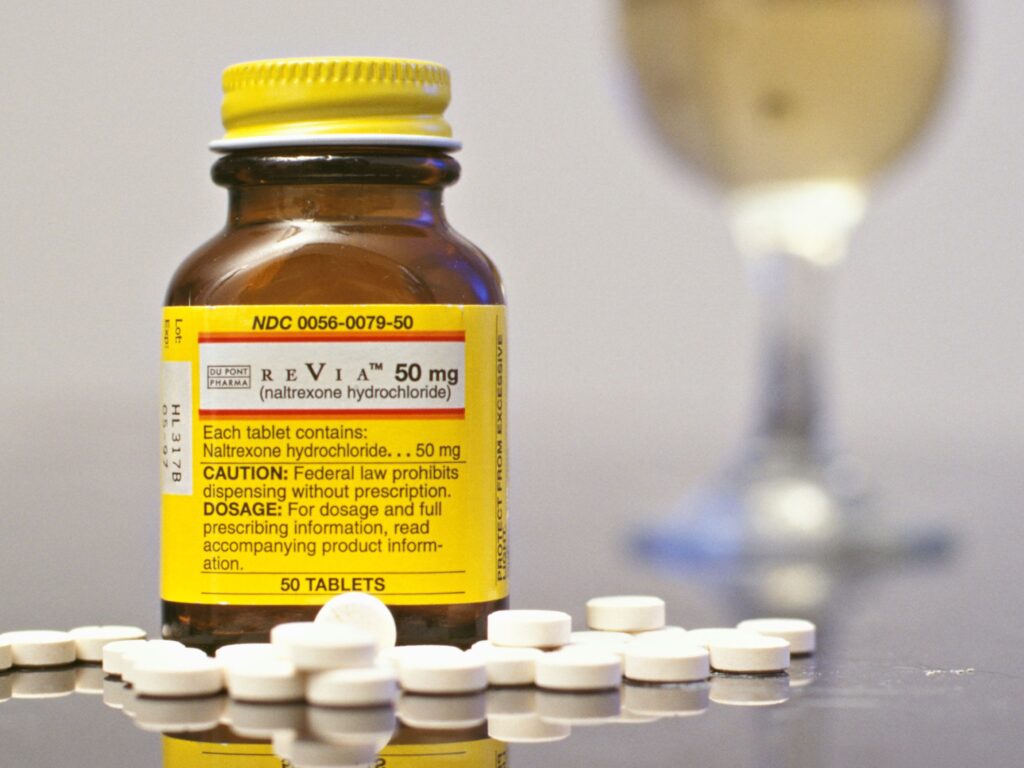
Naltrexone and Buprenorphine
Like methadone, buprenorphine is a synthetic opioid that can reduce or curtail the symptoms of withdrawal. Suboxone, the most common variety of buprenorphine, also contains a substance called naloxone, which causes serious and deeply unpleasant side-effects if the substance is injected. It is included to reduce the potential for abuse. Suboxone was approved for use by the American Food and Drug Administration in 2002, and it has become incredibly popular. In 2013 the drug made $1.55 billion in sales, more than Adderall and Viagra combined!
Buprenorphine treatment has some significant advantages over methadone. It has less potential for abuse because of the inclusion of naloxone. It has also proven to be a safer alternative. A 6-year study conducted by researchers in England and Wales found methadone was more than 6 times more likely to cause overdose deaths than buprenorphine, with 2,366 mortalities associated with methadone use, and only 52 related to buprenorphine.
Naltrexone is another synthetic opioid that was originally intended for use in pill form. The American government concluded that it “does not produce tolerance or withdrawal. Poor treatment adherence has primarily limited the real-world effectiveness of this formulation. As a result, there is insufficient evidence that oral naltrexone is an effective treatment for opioid use disorder.” However, in 2010 an extended-release, injectable form of naltrexone was approved by the FDA. This version requires a single injection per month and has been found to be as effective as buprenorphine in reducing opioid use. However, withdrawal from opioids must be completed before this type of naltrexone is safe to use, which is a significant barrier for many addicts.
Buprenorphine and naltrexone can offer a sufferer the benefits of methadone treatment, along with reduced risk of overdose, death, and abuse. However, like methadone, they are imperfect solutions that can help addicts to manage their affliction and lead them into treatment but also create a new dependence that can take years to break free of.
Effective Alternatives
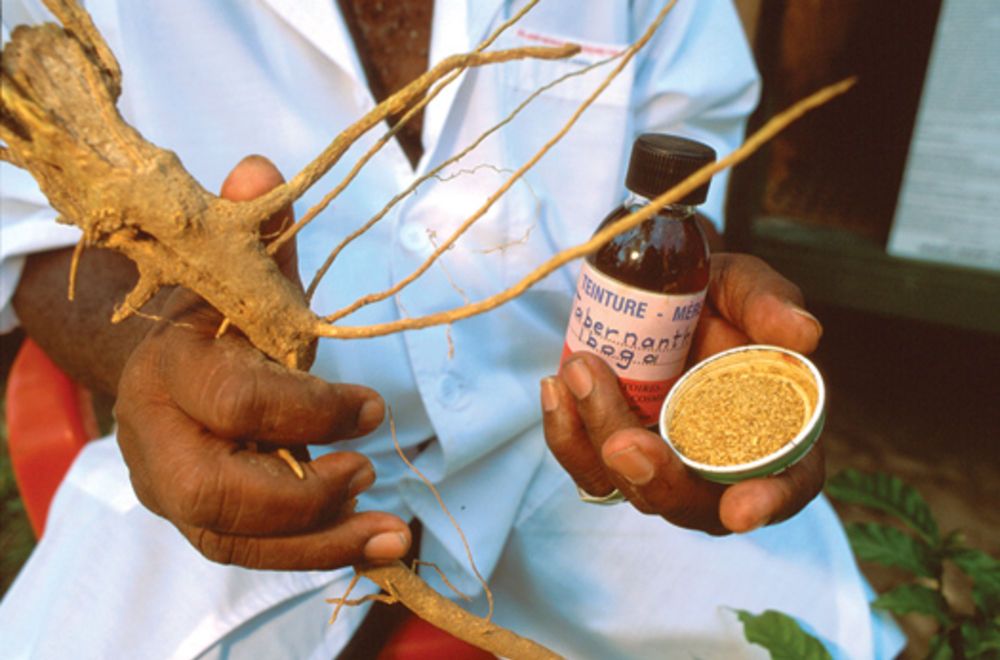
Opioid Replacement therapy: weighing the costs and benefits
You may already know about Iboga’s ability to treat withdrawal symptoms and substance cravings, as well as its remarkable restorative effects on the brain. If you don’t, you may want to read this post on iboga’s effectiveness in treating opioid addiction. In addition to its clinical benefits, the substance induces an ego-free, reflective state that can also help addicts deal with past trauma and certain mental health issues.
Unlike methadone, iboga isn’t habit-forming and is extremely unlikely to be abused. There is no evidence that it is physiologically or psychologically addictive. While systematic, controlled clinical trials in the US and Europe have yet to be conducted (mainly because the substance is classified as a Schedule I drug), there are countless testimonials from people who credit iboga with saving their lives and allowing them to escape from addiction.
Iboga use is not without risk. It can exacerbate pre-existing cardiac conditions, and in abnormally large doses it may induce seizures. But even though it is often self-administered, or used in unsafe settings due to its murky legal status, it is still safer than methadone, causing 1 death in every 427 reported treatment episodes, compared to a 1:364 mortality rate for methadone.
28th October 2020 • Sticky Post
Addiction Treatment in Canada: Why Canadian Addicts Are Looking Abroad for Treatment Options
Canada’s drug problems have grown exponentially worse in the last few decades. As the opioid crisis rages on, growing numbers of Canadian addicts have been dying from opioid overdoses, and the deadly substance fentanyl continues to rapidly flow into the country. Canada has taken some progressive measures to deal with the crisis, such as opening North America’s first safe-injection site for heroin users in the addiction-ravaged Downtown Eastside neighborhood of Vancouver, but the country’s strategies for dealing with addiction seem to oscillate wildly between the progressive approaches favoured in many European nations, and the zero-tolerance policy advocated by their powerful neighbour to the south.
As a result of the country’s failure to create and implement coherent strategies for dealing with addiction, the number of overdose deaths continues to rise year by year, growing from 3,017 dead in 2016 to 4,460 in 2018 (one death every two hours, in a country with a population of just 37 million). The western province of British Columbia has been hardest hit by the epidemic of opioid addiction, with 1,525 deaths occurring in 2018. This rate means that over 20 out of every 100,000 residents of the province are dying from overdose every year!. If you’re a drug addict in Canada looking for solutions, turning your gaze abroad may seem like the wisest approach.
Why Portugal?

Portugal was in the midst of an epidemic of heroin addiction when they made the dramatic decision to embrace the principles of harm-reduction and decriminalize the consumption of all drugs. As one of the architects behind Portugal’s new approach explains it: “We realized we were squandering resources. It made much more sense for us to treat drug addicts as patients who needed help, not as criminals.” By removing the threats of prosecution and incarceration, Portugal has reduced the stigma surrounding addiction, and the number of addicts receiving treatment has increased by 60% since 1998. The results the country has achieved simply by treating addicts with dignity and viewing addiction as a health issue has caused countries such as France, Switzerland and Germany to embrace harm-reduction. Portugal’s clear-headed, compassionate approach to treating addiction makes it an ideal destination for those attempting to overcome substance-abuse problems.
While some cities in Canada have responded to the crisis with enlightened measures such as needle exchange programs and safe-injection sites, the federal government explicitly rejected the harm reduction model in 2007 when a Conservative government renamed the country’s National Drug Strategy a National Anti-Drug Strategy. This change was accompanied by mandatory minimum sentences for drug possession, and a return to the punitive strategies of the failed “War on Drugs.”
Canada offers some publicly funded drug treatment options to addicts looking to reclaim their lives, and there are also privately run residential treatment facilities. These centers have the benefit of being close to home, but for Canadians without substantial bank accounts, the cost of effective treatment in a comfortable setting can be staggering. Luxury private facilities have rates rising as high as $35,000 per month! And if you’re looking for a publicly funded facility, you need to be prepared for wait times spanning weeks, or even months. The shortage of treatment beds and affordable facilities has pushed many addicts to the brink of despair.
In theory, seeking treatment in these centers will not put you at risk of increased attention from the police or the stigma of being an addict in a society that views drug use very harshly, but if you’re living in a small community, word might still spread. If you’re looking to be treated with dignity and respect, experience compassionate treatment, and maintain your privacy, going abroad might be your best option. Drug addiction is still viewed harshly in some Canadian communities, with studies finding that addiction carries more stigma than mental illness. In many small towns, the addicted are still seen as criminals who have succumbed to a “moral failing” rather than sick people in need of medical treatment. If you’d prefer to be treated as a person, rather than a junkie, as you begin your recovery journey, you might want to consider seeking treatment in Portugal!
What's So Appealing About Addiction Treatment Abroad?
1) Environment

Leaving an environment full of familiar stressors and temptations can have a beneficial effect in treatment. And traveling abroad can bring a profound sense of relief and relaxation. For addicts from places like the drug-infested Downtown Eastside of Vancouver, a change of environment can be a powerful impetus for recovery. Many of the victims of Canada’s opioid crisis live amid the neighborhood’s carnage and chaos, an environment that inspired renowned physician and author Gabor Maté to write “In The Realm of the Hungry Ghosts”, a best-selling book which has changed the way we view and treat addiction. Dr. Maté argues that addiction is often the product of psychological trauma, that it should be viewed as a disease of the mind, and that sufferers need to be treated with compassion and respect, a view which has gained more traction in Portugal than his native Canada. Dr. Maté notes that “We're seeing much more open-mindedness about harm reduction and programs to alleviate the suffering and death toll from addiction. But we haven't gone nearly far enough.”
Portugal is a great place to recover from traumas related to addiction. It’s a picturesque country with a lovely Mediterranean climate. It’s dotted with quaint villages, ancient ruins, majestic castles, and miles of beautiful coastline. And there are few regions better suited to recovering your health than Portugal’s sun-drenched Alentejo region. A land of rolling hills and vast plains, the Alentejo offers visitors the opportunity to recover their health and connections to the natural world by riding horses, watching birds, stargazing, hiking, and cycling. Many Canadian visitors are especially appreciative of the temperate climate, peaceful lifestyle, and delicious regional fare, and escaping a harsh Canadian winter can be extremely beneficial to your mood and receptiveness to treatment. All this, while enjoying a rehab facility that rivals a luxurious resort or hotel for a fraction of the cost of treatment back home. You’ll disconnect from a toxic environment and share amazing new experiences with people from all around the world!
2) Privacy
While increasing numbers of people are coming to the understanding that addiction is a medical issue, there is still a significant social and professional stigma that comes with seeking treatment for substance abuse. If you head to Portugal, it’s easy to tell friends, family members, and colleagues that you’re off on a much-needed vacation and avoid awkward conversations and prying questions. There’s also no risk that someone will spot you emerging from a clinic or support group meeting and start whispering.
3) Promising Treatments Unavailable At Home

We’ve written a lot about the undeniable power of ayahuasca and iboga to combat the addictive properties of opioids and other drugs and to open the addicted mind to the idea of a positive transformation into recovery. Because Portugal has decriminalized all drugs, promising treatments that cannot be obtained in a safe medical setting in Canada can be accessed here with the supervision of health-care professionals. If you think a treatment that uses a psychoactive substance is your best option, we’d recommend getting away from Canada, where iboga’s murky legal status makes it difficult to find responsible treatment providers. Iboga is legal to possess in Canada, but the substance is illegal to sell, and recent reports suggest that the government is taking steps to ban its importation and use.
In spite of our belief in iboga’s remarkable ability to interrupt addiction, we would strongly advocate against using it in regions where misguided laws force its use underground, creating potentially fatal health risks.
4) Easy Intake


When you’ve reached rock bottom, a treatment center that can quickly start the process of detox and recovery can be a life-saver. The prospect of waiting months for the in-patient treatment you need can be a heart-breaking, motivation-sapping roadblock. Canada’s drug treatment programs are underfunded, one of the main reasons why the majority of Canadian addicts are pushed into outpatient treatment programs. Treatment centers abroad can immediately start the intake process, allowing you to strike back at your addiction when you’re feeling hopeful and motivated. This can make all the difference in the world!
Iboga Tree Healing House

At Iboga Tree Healing House we have a unique ability to accommodate clients from around the world with our welcoming, open-minded, and international staff.. You’d be hard-pressed to find a treatment center more committed to the safety of their clients than Iboga Tree Healing House. We’re also deeply committed to maintaining a supportive and non-judgmental environment for facilitating recovery and personal growth.
In addition to offering iboga treatment, we also provide a wide array of holistic treatments, including breathwork, kundalini yoga, equine-assisted therapy, kambo, and more. All of these practices are extremely beneficial for re-energizing both body and spirit to pursue recovery. In combination with our ten-hectares of outdoor space, large terraces, and outdoor swimming pool, we let nature remind our clients to be grateful and receptive to new horizons and second chances. We have many testimonials from people around the globe who’ve benefited immeasurably from experiencing our treatments in beautiful, sunny Portugal. If you’d like to experience treatment abroad, don’t hesitate to get in touch!

