-

Iboga Blog
Iboga Blog
6th January 2021 • Sticky Post
High-Functioning Addicts: Why Professionals Succumb to Addiction
When we think about addiction, we generally tend to picture someone who has reached “rock bottom.” Society’s image of the addict is generally a person whose affliction has taken everything away from them. Broken families, financial ruin, powerlessness, and homelessness are often the default image our minds conjure up when addiction and addicts are under discussion. But in reality, addicts exist in all walks of life, and their circumstances can be radically different from those we’ve mentioned. Our reflexive reaction to the word “addiction” is a result of the severe stigma that surrounds this health problem and is often a barrier to treatment for those who need it most. For "high-functioning addicts", the refusal to admit the severity of the problem can often exacerbate it. That’s why we’re taking a look at the unique challenges high-functioning, successful professionals with addictions face when they need help.
Denial

For many professionals, their identity as an individual is subsumed by their career. Your job may necessitate keeping your personal opinions, feelings, and fears to yourself. And these long-held habits can be a huge barrier to admitting to yourself or those around you that you have a problem and need help with solving it. For people in high-stress jobs who are used to facing significant challenges and dealing with heavy responsibilities, admitting that you’re powerless in the face of addiction is often the most difficult step to take.
Stress

In today’s society, it’s easy to become a workaholic. Smartphones and breakthroughs in communications technology can make it seem like you never really have time off. Many professionals begin to misuse substances as a way to de-stress, often self-medicating in order to fall asleep or blow off steam. But as an addiction develops, the tension of attempting to manage an unmanageable condition while also navigating difficult and exhausting situations at work can lead you into a downward spiral where both causes of stress feed off of each other.
Fear of Professional Disgrace

Doctors, lawyers, and those in the finance industry all have wide circles of acquaintance, and all of their jobs are built on maintaining the trust of their clients. When individuals working in these areas develop problems with substance abuse, they begin to live in fear of discovery, and a sense of living in isolation with a secret generally becomes pronounced. Even mentioning words like “treatment” and “addiction” to colleagues, clients, or supervisors could come with serious professional consequences. As a result, many high-functioning people working in prestigious jobs tend to suffer in silence until their situation becomes critical. In spite of their ample resources, professionals, like the vast majority of those suffering from substance abuse disorders, are highly unlikely to receive the treatment they need.
No Time For Self-Care

People in demanding industries and professions often have a lot of difficulty taking the time that their bodies and minds need to stay healthy. When you’re looking to break free from dependence on a substance, you’ll need time to allow yourself to heal and develop the strategies and skills needed to make recovery last. It’s crucial to remember that if you are a high-functioning person in need of physical, psychological, or spiritual care to deal with a substance use disorder, delaying treatment is almost certain to exacerbate the problem. There are options out there that can work for you, regardless of how busy your schedule is.
Burnout
Demanding schedules, the difficulties of managing other people, tension-filled situations, and a sense of fatigue all lead many high-powered people to burn-out in their careers. And vulnerability to substance abuse is one of the symptoms of this condition. If you’re suffering from burnout (common symptoms are exhaustion, a compromised immune system, depression, insomnia, and a sense of isolation) you may want to factor that in when evaluating your treatment options. It’s important to ask yourself whether substance misuse is the problem or merely a symptom. You may be in need of a facility that has experience and expertise in treating both conditions.
Find Solutions That Work For You!

One of the options you should consider is an Executive Rehab Center. These facilities are designed for high-functioning addicts and alcoholics to receive the treatment they need in a setting that allows them to experience a minimum of disruption in their professional lives. Many facilities offer amenities like conference rooms, access to computers, travel support, and firm commitments to maintaining privacy which is often vitally important to clients. They’ll be willing to work your commitments and professional needs into a custom treatment plan that allows you to stay in good standing at work while dealing with your issues. These treatment centers also generally offer a more luxurious experience than you would encounter at a run of the mill treatment center, often including swimming pools, exercise facilities, and catered meals as well as a more flexible schedule. They also tend to offer comprehensive out-patient services that could offer the support you need.
Many highly successful people with addiction issues opt to receive treatment abroad. One of the main reasons for this is the guarantee of privacy. You run little risk of running into someone you know from your professional life and are all but guaranteed to keep your personal life private. You also can tell your colleagues, clients, and supervisors that you’re taking a much-needed vacation, rather than dealing with a personal issue. In many instances, taking a break from the stresses which have led you into dependence on a substance will have a hugely beneficial effect on your attitude in treatment and the outcomes you achieve. Furthermore, you may gain access to some treatments, such as ibogaine therapy or NAD+, which may not be available in your home country.
High-functioning addicts face unique obstacles in treating their addiction issues, but they also have access to a broad range of facilities and services based on their financial resources, comprehensive insurance plans, and personal connections. If you’re looking for a way to end your addiction, we’d recommend spending the time to look at all of the treatment options that are available and reflecting on your individual needs. If you have any questions about our methods, services, or treatments, feel free to get in touch today!
4th January 2021
Rehab in Spain: Why Spanish Addicts Are Heading Abroad For Treatment
Spain’s drug problems have come in waves, and epidemics of heroin use, a flood of cocaine from South America, and the constant importation of hashish from nearby Morocco ensure that the country always has a steady supply of drugs. As the opioid crisis rages on, increasing numbers of Spaniards have been experimenting with and becoming addicted to, the same opioid-based pain pills that have devastated communities across the United States. Spain’s death rates from opioid-related overdoses have increased significantly over the past decade, and many experts fear that the problem is growing exponentially worse.
Spain’s rate of cocaine use overtook the USA a decade ago and remains very high, with an estimated 3% of adults in the country using the substance. In spite of the government’s record-breaking number of seizures, the country’s rugged 3000 km long coast makes it Europe’s gateway for smuggled cocaine from South America. Mexican cartels have long used Spain as the first stop on the journey of their products across Europe.
A recent Guardian article also highlighted the problems caused by “narcopisos,” apartments left vacant following the nation’s property crash, which have been overrun with drug dealers and users. In neighborhoods like Barcelona’s El Raval district, residents have seen their lives and communities turned upside down by rampant drug use and the problems it brings. According to the newspaper, “dealers use apps to help customers find the flats where drugs are available. They also tie colored cloths to balconies to signal availability: white for heroin available, blue meaning they are under police surveillance, and red for out of stock.”
The economic crisis has exacerbated Spain’s drug problem while draining the funding needed for measures to combat addiction. According to the head of a Madrid resident’s association, “you have to ask yourself what’s happened to all the preventative resources that existed in Madrid? They basically had the plug pulled during the economic crisis.” 39% of those entering treatment in Spain are primarily cocaine users, while 24% of those seeking to battle their addictions are habitual heroin users. And while the various levels of government support rehab in Spain, thanks to the economic crisis, funding has remained flat, raising wait times and leaving the average rehab in Spain overflowing with clients. If you’re a drug addict in Spain looking for solutions and a sense of hope, turning your gaze abroad may seem like the wisest approach.
Why Portugal?

Portugal was in the midst of an epidemic of heroin addiction (much like Spain’s heroin problem in the 1980s) when they made the dramatic decision to embrace the principles of harm-reduction and decriminalize the consumption of all drugs. As one of the architects behind Portugal’s new approach explains it: “We realized we were squandering resources. It made much more sense for us to treat drug addicts as patients who needed help, not as criminals.” By removing the threats of prosecution and incarceration, Portugal has reduced the stigma surrounding addiction, and the number of addicts receiving treatment has increased by 60% since 1998. The results the country has achieved simply by treating addicts with dignity and viewing addiction as a health issue has caused countries such as France, Switzerland, and Germany to embrace harm-reduction. Portugal’s clear-headed, compassionate approach to treating addiction makes it an ideal destination for those attempting to overcome substance-abuse problems.
Spain has embraced some of the principles of harm-reduction, particularly removing the threat of jail for drug possession. But the country still depends heavily on opioid replacement therapy, primarily using methadone, as a way to treat opioid addiction. While methadone can stabilize the lifestyles of addicts and prevent HIV, it leaves those seeking rehab in Spain dependent on a narcotic substance and does little to address the issues underlying addiction. If you’re looking to truly defeat your addiction, methadone likely isn’t the best option.
Some publicly funded options for rehab in Spain are available, and there are also privately run residential treatment facilities. These centers have the benefit of being close to home, but for Spaniards without substantial bank accounts, the cost of effective treatment in a comfortable setting can be staggering. Luxury private facilities have rates rising as high as 50,000 Euros per month! And if you’re looking for a publicly funded facility, you need to be prepared for wait times spanning weeks, or even months, before being placed in an overcrowded and under-funded treatment facility. The shortage of treatment beds and affordable facilities has pushed many addicts to the brink of despair.
In theory, seeking treatment at a rehab in Spain not put you at risk of stigma for being an addict in a society that views drug use very harshly. But if you’re living in a small community, word might still spread. If you’re looking to be treated with dignity and respect, experience compassionate care, and maintain your privacy, going abroad might be your best option. Drug addiction is still viewed harshly in many Spanish communities, with studies finding that addiction carries more stigma than mental illness. In many small towns, the addicted are still seen as criminals who have succumbed to a “moral failing” rather than sick people in need of medical treatment. If you’d prefer to be treated as a person, rather than a junkie, as you begin your recovery journey, you might want to consider seeking treatment in Portugal!
What Are The Benefits Of Treatment Abroad?

1)
Leaving an environment full of familiar stressors and temptations can have a beneficial effect on treatment, and Portugal is a great place to recover from the traumas related to addiction. It’s a picturesque country with a lovely Mediterranean climate. It’s dotted with quaint villages, ancient ruins, majestic castles, and miles of beautiful coastline. And there are few regions better suited to recovering your health than Portugal’s sun-drenched Alentejo region. A land of rolling hills and vast plains, the Alentejo offers visitors the opportunity to recover their health and connections to the natural world by riding horses, watching birds, stargazing, hiking, and cycling. Many Spanish visitors are especially appreciative of the temperate climate, peaceful lifestyle, and delicious regional fare, all while feeling at home with a climate, culture, and society that is familiar enough to feel welcome. All this, while enjoying a spain rehab center facility that rivals a luxurious resort or hotel for a fraction of the cost of treatment back home. You’ll disconnect from a toxic environment and share amazing new experiences with people from all around the world!
2) Privacy

While increasing numbers of people are coming to the understanding that addiction is a medical issue, there is still a significant social and professional stigma that comes with seeking treatment for substance abuse. If you head to Portugal, it’s easy to tell friends, family members, and colleagues that you’re off on a much-needed vacation and avoid awkward conversations and prying questions. There’s also no risk that someone will spot you emerging from a clinic or support group meeting and start whispering.
3) Promising Treatments Unavailable At Home

We’ve written a lot about the undeniable power of ayahuasca and iboga to combat the addictive properties of opioids and other drugs and to open the addicted mind to the idea of a positive transformation into sobriety. Because Portugal has decriminalized all drugs, promising treatments that cannot be obtained in a safe medical setting in Spain (due to their somewhat murky legal status) can be accessed here with the supervision of health-care professionals.
4) Easy Intake

When you’ve reached rock bottom, a treatment center that can quickly start the process of detox and recovery can be a lifesaver. The prospect of waiting months for the in-patient treatment you need can be a heart-breaking, motivation-sapping roadblock. Options for rehab in Spain are often underfunded, one of the main reasons why the majority of Spanish addicts are pushed into less intensive outpatient treatment programs and methadone maintenance. Treatment centers abroad can immediately start the intake process, allowing you to strike back at your addiction when you’re feeling hopeful and motivated. This can make all the difference in the world!
Iboga Tree Healing House

At Iboga Tree Healing House we have a unique ability to accommodate clients from around the world with our welcoming, open-minded, and international staff. You’d be hard-pressed to find a treatment center more committed to the safety of their clients than Iboga Tree Healing House. We’re also deeply committed to maintaining a supportive and non-judgmental environment for facilitating recovery and personal growth.
In addition to offering iboga therapy, we also provide a wide array of holistic treatments, including breathwork, kundalini yoga, equine-assisted therapy, kambo, and more. All of these practices are extremely beneficial for re-energizing both body and spirit to pursue recovery. In combination with our ten hectares of outdoor space, large terraces, and outdoor swimming pool, we let nature remind our clients to be grateful and receptive to new horizons and second chances. We have many testimonials from people around the globe who’ve benefited immeasurably from experiencing our treatments in beautiful, sunny Portugal. If you’d like to experience treatment abroad, don’t hesitate to get in touch!
31st December 2020 • Sticky Post
Personal Inventory: Taking Stock for the New Year
If you have any experience with recovery, you’re probably already familiar with the concept of a personal inventory. The Big Book used by Alcoholics Anonymous describes Step 4 as “a searching and fearless moral inventory of ourselves.” But even if you aren’t in a 12 Step Program, tackling a personal inventory should still be a component of your recovery program.
Everyone makes mistakes in life, and everyone is wronged by others. For most addicts, the severity and number of these transgressions are compounded by a lifestyle that’s almost certain to lead to trauma, stress, and dishonesty. A personal inventory is a great tool for examining the effects of the harm done and moving beyond it into a happy, healthy, and sober life.
Facing The Facts

The life of an addict can be a blur, and many people in recovery are just beginning to confront the reality of their own actions and behaviors. It is common to dwell on negative emotions, past trauma, and family dynamics to justify addiction and to minimize our own roles in poisoning relationships and creating problems in our lives and the lives of those around us. One of the most essential benefits those in recovery receive from a personal inventory is the ability to examine and evaluate their own actions without shifting blame, justifying past misdeeds, and becoming bogged down in negative emotions. Addicts and alcoholics necessarily spend years lying to themselves and those around them about the nature, depth, and symptoms of their condition. As you begin to scrupulously examine the facts of your life, you’ll find that the reality of your life and relationships are significantly different from the stories you’ve been telling yourself and those around you. This is a key reason why personal inventories are so essential to recovery.
Fears, Resentment, and Forgiveness
The Big Book suggests that when embarking on the fact-finding stage of the enterprise, you create four columns to list all relevant information on your resentments, fears, sexual conduct, and harm caused to other people. When reflecting on resentments, we should focus on ways to move past anger and forgive those who have caused hurt. By embracing forgiveness and giving others the benefit of the doubt, you can let go of negative emotions that push you towards destructive actions. The 12 Step model lists resentment as the most serious character flaw for alcoholics and addicts, and learning to view the actions of those around you with understanding and compassion is one of the secrets to living a happy life.
At Iboga Tree Healing House, we have found that Naikan Therapy is a powerful tool for moving past resentment and cultivating a sense of gratitude in life. Naikan therapy focuses on reflecting upon your relationships: what you’re offering to and taking from the people around you every day. It has helped our clients move beyond resentment and into a positive outlook on their relationships with loved ones. We’d recommend this treatment as a complement to your personal inventory.
As you progress into examining the harm that you have caused others, it’s important to get specific. You want to address the exact nature of your own wrongs, and the motivation which caused you to hurt those around you. When you’re tackling this part of the process, it’s important to be very careful not to justify or minimize any of your own actions. You should be reflecting on all of your relationships at this stage in the process, in order to create a full accounting of the damage your addiction has caused, and prepare you to begin healing and repairing that damage.
Fears are important because they can often lead us to damaging behavior. They also lead to secrecy, dishonesty, and feelings of inadequacy. Addressing them head-on is a necessary step towards dealing with your own character flaws and changing yourself for the better. While it’s unlikely that you’ll completely conquer every fear you have, learning to respond positively to the feeling of fear will be a great help on your recovery journey.
Let's get emotional
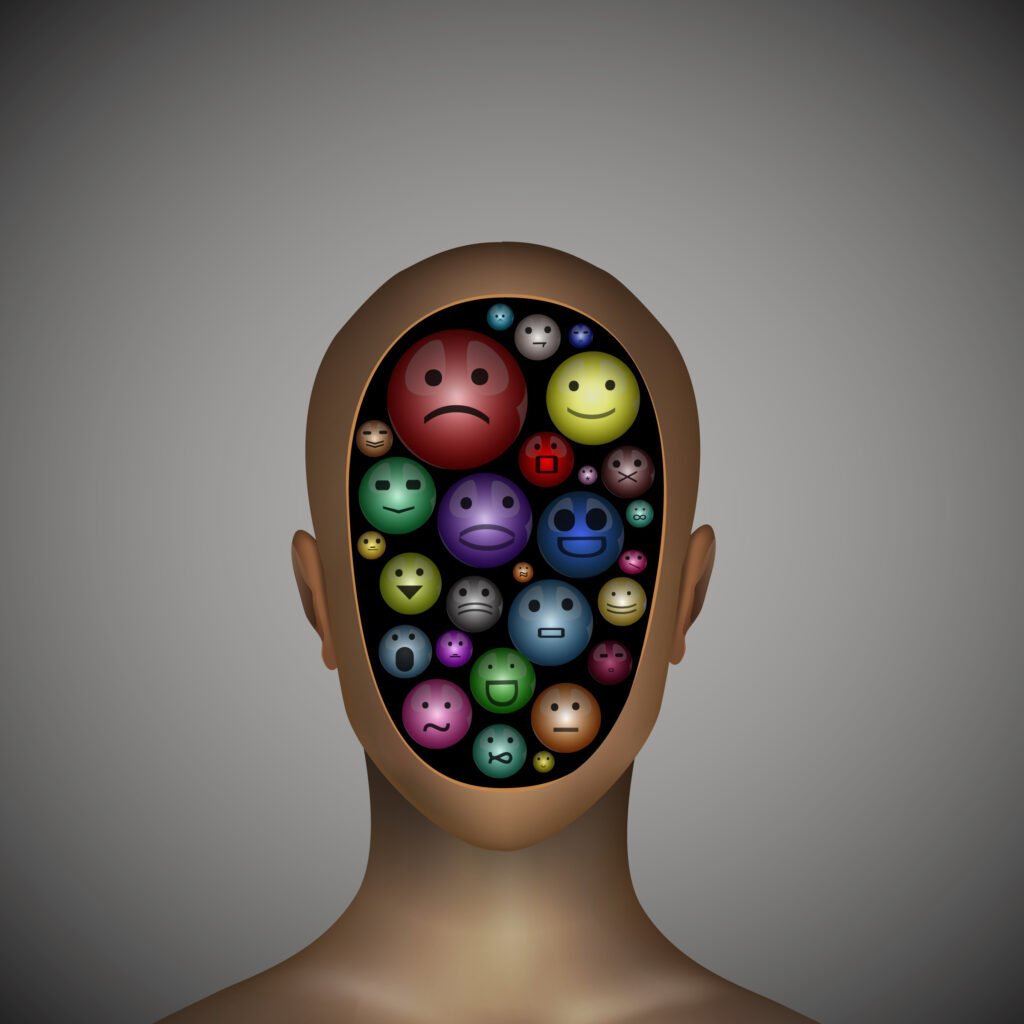
The process of undergoing a personal inventory will also lead you to explore your own emotional development and the ways in which addiction has stunted it. As you undergo the process and unearth painful memories, you’ll get to know which emotions you’re comfortable with experiencing, and which ones you tend to avoid feeling or expressing. Avoiding unpleasant emotions is one of the primary reasons why people turn to substances, and developing a level of comfort and familiarity with your feelings will help you to maintain sobriety.
One tip that many people familiar with personal inventory tend to offer is to begin by creating a list of people, businesses, ideas, principles, situations, and institutions that have played a meaningful role in your life. As you work through the list, think about your memories, and the thoughts and feelings you associate with each. As you examine your own reactions and the emotions which are triggered, you will quickly realize (based on the intensity of your reactions) what you’ll need to focus on as you create an inventory.
What you'll get out of your personal inventory
A well-run business regularly checks its inventory to see what it has. Is a supermarket dangerously low on milk? Does the pharmacy have medications that are about to expire? You’re looking to reach a similar goal within your own brain. What do you have inside yourself that is holding you back and causing you pain? What are your untapped resources and sources of strength? Are you carrying far too many negative emotions and memories into every situation you find yourself in? Do you have an urgent need for emotional support or self-esteem? What can you draw motivation and will-power from when you’re feeling low?
A personal inventory is an integral part of the recovery process because it leads you to discover the truth about yourself and your life. It can help you finally get rid of the false narratives, negative emotions, and counter-productive decision-making processes that trapped you in addiction. It will let you know what relationships need to be repaired and guide you into making amends with those you’ve hurt. It will help you grow. It will help you learn.
It's just worth doing.
24th December 2020 • Sticky Post
10 Clean and Sober Rock Stars to Ring in the New Year With
We tend to associate musicians with the “rock star lifestyle.” For years, the stereotype has been that popular musicians are partying all of the time and that their lifestyles of excess are fuel for the creative fires that give us the songs we adore. But many musicians have experienced the dark side of addiction, come out from under its cloud, and created amazing music without the psychoactive substances that we think of upon hearing the phrase “sex, drugs, and rock’n’roll.” Let’s take a look at 10 amazing stories of clean and sober rockstars still living the life.
1) Elton John

The Rocketman will complete 30 years of sobriety this July, after decades of reliance on cocaine and alcohol. Sir Elton has stated that he was “consumed by cocaine, booze, and who knows what else.” He began using the drug as a way to battle his shyness and open up to others but ended up spending weeks at a time isolated in hotel rooms, alone with his addiction. He cites a 1990 encounter with a teen who had contracted AIDS from a transfusion of tainted blood as the life-changing experience which led him to sobriety. As he puts it “I knew that I had to change. And after he died, I realized that I only had two choices: I was either going to die or I was going to live, and which one did I want to do? And then I said those words, 'I'll get help,' or, 'I need help. I'll get help.' And my life turned around.”
2) Eminem

The controversial Detroit rapper began his career with songs that promoted drug use, but an addiction to powerful opioid painkillers changed his tune. A 2007 overdose put him in the hospital and forced him to take a long look at his life. His weight had ballooned, and his career and life were suffering from his reliance on pain pills. The rapper had some struggles with rehab, claiming that it was difficult to feel anonymous and honestly explore emotions as those around him stared. He has said that “people at rehab were stealing my hats and pens and notebooks and asking for autographs. I couldn’t concentrate on my problem.” But he persevered and beat his addiction with the help of frequent exercise and a private counselor. He’ll be 12 years sober this April.
3) Steven Tyler

The Aerosmith frontman is currently 9 years into his fourth “run” of sobriety, reminding us that for many addicts relapse is a part of the recovery process and not a cause for shame. Tyler worried that his creativity would be impacted by sobriety noting that “When you’re high and you create something out of thin air, and the whole world is singing your f***ing song that you wrote stoned, it’s hard to think that getting high wasn’t the reason that all that happened. But I’d get so high that I couldn’t be creative anymore.” Tyler claims he doesn’t regret his wild years but notes that substance abuse “ takes you down. There’s nothing but jail, insanity or death.”
4) Lana Del Rey

Lana Del Rey began drinking every day as a teenager, which led her parents to enroll her in a boarding school, where she continued to drink and experiment with other drugs. A stint in a residential treatment facility turned her life around, and she now has over 16 years of sobriety under her belt. As she states “at first it’s fine and you think you have a dark side, it’s exciting, but then you realize the dark side wins every time if you indulge it.”
5) Tyler, The Creator

While many older artists cite the influence of drugs in unlocking their creativity, the endlessly provocative, genre-bending, Grammy-winning artist Tyler, The Creator is evidence that edgy, dark, and creative music can be made while sober. Tyler identifies as “straight-edge” and has shared his opinions on the topic of drugs fueling creativity, tweeting: “if weed made people so creative why does everyone suck? That sh*t is not my thing, not knocking anyone who drink smoke or do whatever but some people like being in control of their head 100 percent.”
6) Vince Staples

Another rapper who defies the stereotype of the hard-partying artist is Vince Staples. Staples grew up in difficult circumstances in Long Beach California, surrounded by violence, and with a father who was an addict. He notes that “I never had time to think about whether my father’s addiction issues led to me not doing drugs because I was too busy trying to cope with the reality of people dying and people trying to kill me.” In his quotes on addiction and pain, he echoes addictions expert Dr. Gabor Mate on the idea of living with pain: “People use drugs as a coping mechanism, and I’ve always held that reality. Reality hurts, but so does addiction—it’s just which pain you choose. That’s the reality of my situation.”
7) Eric Clapton

After years of abusing alcohol and a variety of drugs, Eric Clapton finally achieved lasting sobriety following the birth of his son Conor in 1986. When his son tragically died a few years later, his experiences in recovery helped him to cope with the monumental loss, and the memory of his son inspired his commitment to sobriety, and one of his greatest songs, “Tears In Heaven.” He wrote that “the year 1991 was horrendous on the face of it, but some precious seeds were sown. My recovery from alcoholism had taken on a new meaning. Staying sober really was the most important thing in my life now and had given me direction when I thought I had none.”
8) Calvin Harris

While most of us associate EDM with a hard-partying lifestyle, Calvin Harris, one of the genre’s most successful musicians, has opted for sobriety and health. He used to drink two bottles of Jack Daniel’s a night, but in 2014 he stopped drinking for the sake of his health and reports that his problems with arrhythmia (irregular heartbeat) have disappeared.
9) Trey Anastasio

As the lead singer of the immensely popular jam-band Phish, Trey Anastasio spent years composing anthems that encouraged and celebrated drug use. But the singer developed a severe case of opioid addiction in the ‘00s which left his career, health, and self-esteem reeling. An arrest for narcotics possession in 2007 led him to sobriety: “When I got arrested, I was very sick and I was in the process of losing everything that was dear to me. I had not played a show for two years and was out of communication with the guys in Phish. I was very sick and skinny and crazy and mean. It hurts my head to talk about this stuff, but it’s true.” Anastasio has been sober since 2007, but the struggle to find his footing again has been real: “It’s taken years—and it will probably be a lifetime—of unraveling how far I had strayed from my inner compass.” But he has found the inspiration and energy to make music and embrace life once more.
10) Ringo Starr
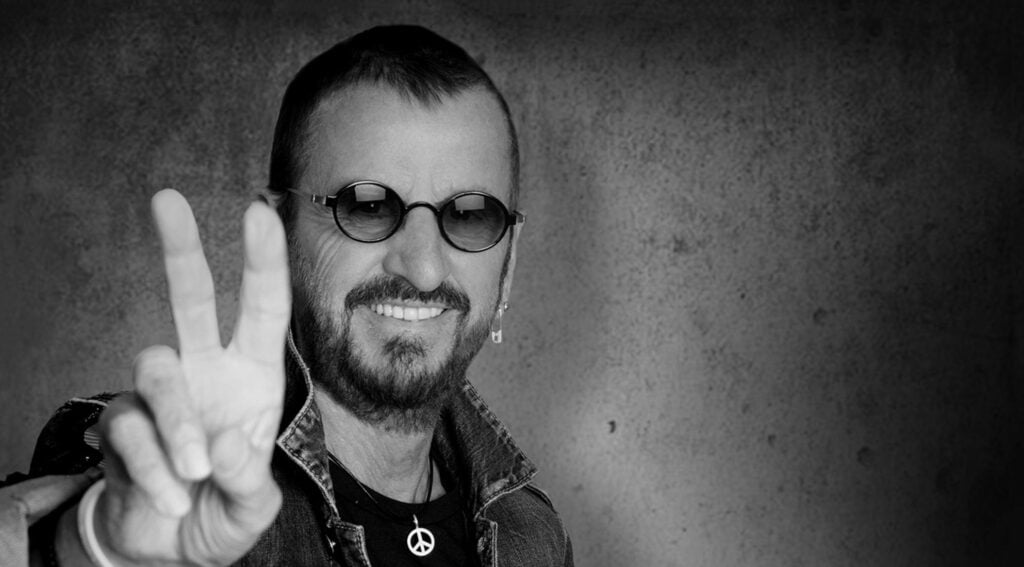
Ringo Starr suffered from alcohol addiction so severe that he estimates he was drinking 16 bottles of brandy a day at times, and refusing to leave his LA house because he would have to abstain from drinking while in the car. He eventually checked into rehab when he felt that he couldn’t stop drinking on his own, and he has been happy and healthy for over 30 years, making music with his “All Starr Band.”
If there’s one thing that these musicians can teach those of us in recovery, it’s that creative energy doesn’t come from the substances we imbibe or inject, but from within. The idea of creating while sober terrified many of these stars, but as substances robbed them of their powers, they began to understand just how harmful addiction could be. If you feel like you need help to rediscover your energy, creativity, and even yourself, get in touch with Tabula Rasa Retreat today!
22nd December 2020 • Sticky Post
Recovery Christmas: Dealing With Family Issues
A Recovery Christmas can be one of the most difficult times of the year for those with addiction issues. The stresses of maintaining sobriety are compounded by emotionally fraught encounters, busy schedules, and sky-high expectations. And for many, family situations are the greatest stressor by a mile. If you’re in recovery, your family life has probably been complicated by your past actions, and while family members can be life-saving sources of love and support, your relations can also cause a great deal of emotional pain, and push you into very negative places. To make sure that your recovery Christmas is safe and happy, here’s our guide for dealing with difficult family members this month.
Get Out of the Problem and Into the Solution

If you’ve completed a treatment program, you’ve probably already done your best to begin making amends. If you are still in the very early stages of recovery, the holiday season is a great time to start exploring ways to heal the pain you’ve caused and rebuild relationships that have suffered. It’s entirely possible, and fair, that some family members might still hold grudges or express distrust and disappointment, depending on the extent of your past misdeeds. Remember that it will take time for these people to acknowledge and accept that you have changed. You need to try to show the depth of your commitment to becoming a better person.
It’s perfectly normal for some family members to maintain resentments for some time after your addiction ends. It’s important that you take responsibility for your actions, acknowledge their feelings, and take any steps you can to heal the pain you’ve caused. But it is also fundamental that you recognize when their actions are unreasonable, unkind, and intended to cause pain. Just because you’ve made mistakes doesn’t mean that you deserve to be a punching bag for toxic and emotionally unstable relations.
Mindfulness and Naikan Therapy can be great ways to establish a solid foundation for positive interactions. As Dr. Mike Dow, bestselling author and psychotherapist noted in a recent New York Times article, in situations like this, “your heart rate doesn’t lie.” He recommends monitoring your physical responses to your environment and using yoga, mindfulness exercises, or a long walk to calm down in order to build up “emotional resilience” in tough situations like a recovery Christmas.
Naikan, a Japanese therapy that uses techniques from Buddhist meditation to explore the true nature of our relationships and cultivate a sense of gratitude, can also be very helpful. Reflecting on what your family has done to help and support you throughout your life can allow you to enter fraught situations with a positive attitude, to forgive and let go of resentment, and to view and understand the behavior of your relatives in a new light. In many cases, you’ll find that what is sometimes seen as criticism may be an expression of love and concern and that your relatives truly want what is best for you.
Self-Care Steps for Times of Family Stryfe
1) Recognize Reality And Set Boundaries

If someone in your family is mean-spirited, negative, gossipy, or cruel you shouldn’t make excuses for them. Be honest with yourself and them about how their actions affect others. Set inviolable boundaries for how you will and won’t allow yourself to be treated, and what behavior you simply cannot be around during your recovery Christmas.
2) Establish Rules

If your sobriety depends on certain conditions, discuss establishing rules surrounding them for family gatherings. If some topics need to be off-limits to maintain a positive and friendly environment, try to reach an agreement on this beforehand. It will help you avoid contentious situations, and minimize drama. If you’re not ready to be around excessive drinking or drug use, firmly establish this before your gathering, and allow those who insist on engaging in these behaviors the opportunity to make other plans. Any family member who truly cares about your health and happiness will be willing to accept that the sacrifice is worth it.
3) Remember: You Aren’t A Therapist

It might be tempting to put your recovery experience to use within your family. Whether confronting someone about harmful actions, pushing someone towards therapy or treatment, or trying to mediate a simmering conflict. These are all worthwhile goals, but you need to recognize that a family gathering isn’t the time to accomplish them. You aren’t responsible for someone else’s happiness, or for making their Christmas magical. Maintain a positive attitude, praise the cooking, and wash a dish or two. But postpone solving the problems of your loved ones until you’re in a setting conducive to a long, serious talk.
4) Sometimes Walking Away is the Only Way

This Psychology Today article lists a series of behaviors and attitudes typically associated with toxic personalities. It includes irresponsibility in speech and actions that cause pain to others, a hair-trigger temper and outbursts of disproportionately intense anger, a need to be the center of attention, the refusal to let go of grievances, and a tendency to leave others feeling anxious, troubled, and tormented.
If someone in your family is this damaging to your sense of mental well-being, it may be time to consider avoiding them altogether. You need to exercise self-care and ensure that you are equipped to successfully battle your addiction. You are under no social or familial obligation to allow yourself to be victimized, and you have every right to prioritize your long-term mental and physical health above the needs of a toxic relative. Your family members had the right to demand that you seek help and treatment for the affliction you were battling, and to cut you off if you refused. You shouldn’t be afraid to make the same demands when confronted with someone suffering from an emotional disorder.
The holidays are one of the most difficult times of the year for those fighting addiction. If you or someone you know needs help, don’t hesitate to get in touch with Iboga Tree Healing House today!
21st December 2020 • Sticky Post
Staying Sober During The Holidays: 10 Christmas Relapse Prevention Tips
When we think about the Christmas season, we conjure up some lovely mental images. Roaring fires, delighted smiles, cozy sweaters, and delicious treats. But as they grow closer, reality sets in. Suddenly the idyll shifts to financial pressures, familial strife, grueling travel, pressure to have a drink, lack of sleep, and gloomy weather, trials that can turn the jolliest elf into a raging Grinch. And for those dealing with addiction issues, mounting stress will always create the danger of relapse. But it’s possible to navigate the holiday season with your smile, and your sobriety intact. Let’s take a look at 10 Christmas relapse prevention tips for successfully surviving a dangerous month!
1) Be Prepared

One of the biggest mistakes you can make is assuming that you can breeze through the Christmas season. We highly recommend planning things out ahead of time. What days, parties, and gatherings could be trouble? How will you deal with pressure from friends and family? Who can you call or meet up with when you need sober Christmas support? When can you schedule some time for yourself to reflect, exercise, or recharge your batteries? When can you find time to attend a meeting or therapy session? Anticipating the challenges that are coming your way and plotting out approaches for overcoming them will ensure that you don’t get overwhelmed.
2) What About HALT?

This one seems simple, but it’s incredibly important. The acronym stands for hungry, angry, lonely, and tired. When you’re making the rounds of parties, family events, and work functions, it can be easy to lose track of your physical and emotional state. All of these feelings will negatively effect your sense of well-being, and they can exert a profoundly negative effect on your decision making. Before putting yourself into situations that may be stressful, listen to yourself. It isn’t the end of the world if you take a night off to rest up, or show up late to a dinner party because you needed to connect with a supportive friend.
3) Stick Together!
Fellowship is one of the most powerful tools we have for battling addiction. From sponsors, loved ones, and peers in treatment, we can gain essential support that keeps us on the right track. Taking a sober friend to a gathering can make it easy to avoid temptation. If that isn’t possible, arrange to have a network of friends on call, who can offer you encouragement, a shoulder to cry on, or a safe ride home when the need arises.
4) BYOB (Bring Your Own Beverages)

There is something about the appearance of an empty hand that sets off those who have already over-indulged. Ensuring that you’re drinking something, whether orange juice, cola, or sparkling water with a twist of lime, will keep the drunken uncles and red-nosed bosses away. It sounds small but it can help you avoid dozens of awkward conversations and tedious explanations over the course of the next month.
5) Explain Yourself

You probably don’t want to delve into the details of your recovery with every one of your acquaintances. So being able to quickly dismiss inquiries into why you aren’t partying harder can help you avoid this unnecessary stress. Whether it’s “I’m on antibiotics for a vicious cold”, “I’m the designated driver tonight” or “I have plans early tomorrow morning”, having an excuse at hand can make parties much more pleasant and keep your Christmas relapse prevention plan out of danger.
6) Know When To Say No

While the holidays are a great time to catch up with the people in your life, you’re under no obligation to make an appearance at every single party and event you’re invited to. If something sounds too stressful, if you’re feeling tired, sick, or emotionally drained, or if you think a New Year’s Eve party might create too much temptation, don’t feel guilty about politely demurring. Your sobriety is the most important gift you can give to yourself and your loved ones, and those who care about you will understand that you need to make it your number one priority.
7) Be Active
Doing something active and interesting will keep your mind off of alcohol and drugs. Rather than sitting around pubs or living rooms, try to organize or join events that keep you on the go. Organize a caroling group, volunteer with the needy, bake cookies, or take a walk to see all of the Christmas decorations and lights in your neighborhood. This can help keep your mind on the positive aspects of the holiday.
8) Stay Mindful and Grateful

One of the difficult parts of the holidays for those in recovery is dealing with regret. Your addiction has probably severed your ties to some people that you care about, and a common response to loneliness is a focus on negative emotions like self-pity, bitterness, and finding fault. Instead of dwelling on negative emotions, find things that you can be grateful for and happy about. Meditating on or pondering the gifts you’ve received, and the invaluable support that others have offered you can keep your mind-set positive in stressful times. Christmas relapse prevention is all about positivity!
9) Have Boundaries
Establish in advance the things you need, and the things you need to avoid for Christmas relapse prevention. If a close friend or family member triggers the desire to use, limit the time you’ll spend with them, and make sure it’s in a safe setting like a morning coffee or catching a movie. Decide how many nights in and nights out you can handle and stick to your plan. Schedule your meetings, therapy sessions, and sponsor meet-ups and follow through on them. And ensure that you get 8 hours of sleep each night.
10) Be Ready For January
The holidays are a challenge, and if you get through them with your sobriety intact you deserve to feel great! But remember that many addicts are most prone to relapse after coming through a crisis. There’s a reason everybody says “one day at a time.” The work of maintaining your health and recovery isn’t over just because you’ve emerged from this trial unscathed.
It’s also important to remember that relapse is extremely common and that if you succumb to the pressures and stresses of the holidays this year, you shouldn’t give up on battling addiction. If you or anyone you know needs help, reach out to Iboga Tree Healing House today!
16th December 2020 • Sticky Post
Detox: 12 Alternative Options To Consider
If you were in need of heart surgery, you probably wouldn’t be satisfied with choosing a method devised between 1939 (the year AA’s Big Book was published) and 1953 (the year in which NA was founded). But in the field of drug detox, many providers, patients, and professionals are content to adhere to the established model of cold turkey, talk therapy, and regular attendance at 12 Step meetings. While this model has worked for thousands upon thousands of sufferers, it has also allowed many people to fall through the cracks, their needs unmet and their challenges too great to be adequately addressed by these detox/treatment modalities.
New strategies and techniques for detoxing off of drugs are sprouting up every day, but many in the treatment field are still relying heavily on either cold-turkey or methadone and other long-term opioid replacement drugs which can create as many problems as they solve. At Iboga Tree Healing House, we feel that it’s worthwhile to take a long look at all of the other strategies, methods, resources, and treatments available for those looking to detox from their addiction. There are a lot of alternatives out there, and some of them are worth exploring, particularly if other treatments haven’t worked.
1) Ayahuasca Detox
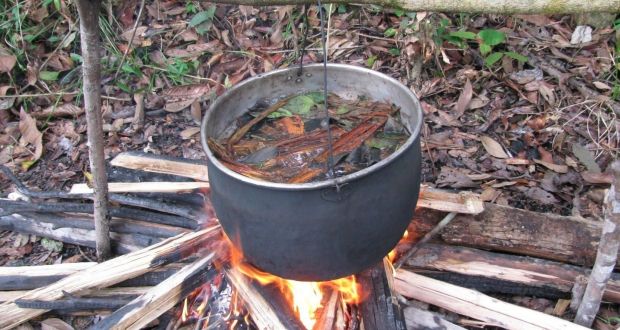
Ayahuasca is a powerful psychoactive substance that has been used for religious and medicinal purposes in the Amazon basin for millennia. Addiction expert Dr. Gabor Mate has sparked debate by using the substance to treat addiction. Advocates claim that it can help people to explore and heal from the traumas and stresses that have fed their addictions while prompting meaningful connections with others, as well as spiritual growth. As with most psychedelic and oneirogenic treatments, ayahuasca treatment doesn’t just involve using the substance, but it is generally accompanied by pre-and post-treatment therapy sessions, as well as being guided through the use of the substance by an experienced practitioner. Ayahuasca’s effects include changes to the amygdala and insula that have been reported to reduce depression and anxiety, and it also helps to normalize levels of serotonin, a chemical that regulates mood and effects pleasure-seeking urges which are related to substance use. The substance appears to be particularly helpful in treating alcohol and cocaine dependence.
2) Cannabis-Assisted Detox

Recent medical studies have found that cannabis is capable of reducing the effects of opioid withdrawal. While the evidence is still described as “nascent” by researchers, numerous studies have shown that cannabis and cannabinoids decrease the symptoms of acute opiate withdrawal. In some studies, those going through withdrawal reported that cannabis had alleviated withdrawal symptoms when opioid replacement therapy was not sufficient. But other studies have produced conflicting evidence, and the process through which cannabis aids in withdrawal is reportedly “murky and complex.” Meanwhile, studies conducted on rats have found that CBD “has been shown to reduce the rewarding aspects of multiple drugs of abuse, such as cocaine, amphetamines, and nicotine.” While cannabis and cannabinoids show potential, it’s too early to determine how much they can aid in withdrawal.
3) Abstinence / Harm Reduction
Abstinence-based models for treating addiction are based on the total avoidance of all mood and mind-altering substances. Abstinence based models are focused on creating a lifetime of sobriety and generally base themselves on the 12 Steps. They define addiction as a chronic and incurable condition that can become dormant but will require treatment and maintenance over a lifetime. Abstinence-based models would dismiss pharmacological and psychoactive substances that aid in lessening the symptoms of withdrawal.
Harm reduction, on the other hand, is focused on minimizing the effects of drug use rather than emphasizing the importance of sobriety. Harm reduction principles are based on the idea that abstinence might not be the best answer for all individuals and communities, and that services and resources for addiction should not be judgemental or coercive. Advocates of harm reduction feel that condemning drug use and drug users are counterproductive strategies, and that drug use is a fact of life that is intimately connected to socio-economic realities. They would recommend treatment strategies that employ psychoactive substances which can aid with withdrawal and treatment.
4) Heantos-4 Detox
Heantos-4 is a compound of herbs that is currently used to treat opioid addiction in Vietnam. It is reported to have beneficial effects on withdrawal and relapse prevention, as well as providing sedative effects during detox. Studies on animals have shown that the compound has neurological and physiological effects that correlate with the anecdotal evidence of its benefits to the addicted. Advocates claim that the substance boosts the production of GDNF hormones in the brain, creating enhanced neuroplasticity that can offer a wide range of benefits to the addicted. Meanwhile, there are reports that this compound has caused numerous deaths in treatment at Vietnamese clinics.
5) Iboga Detox
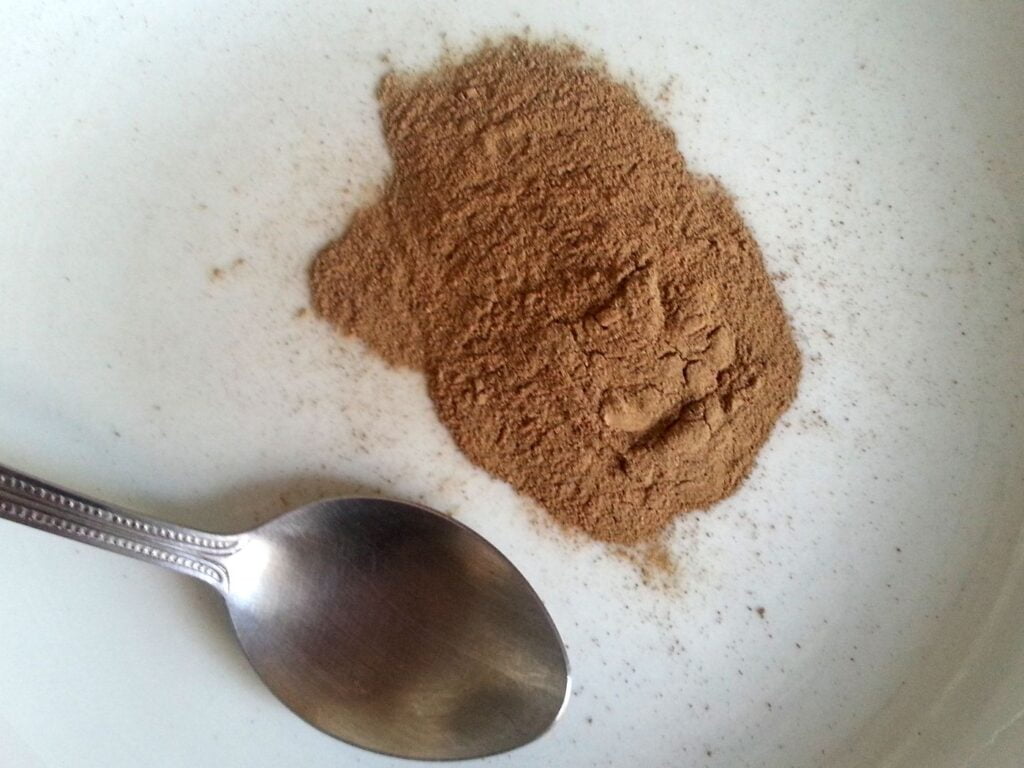
Iboga is the root bark of the tabernanthe iboga plant native to west and central Africa. It has been used for centuries in the region’s Bwiti spiritual tradition for medicinal and ritualistic purposes. Decades ago, American heroin addict Howard Lotsof used the substance to break free from heroin addiction and has spent the years since advocating for its use as a medicine. Iboga has been proven to dramatically reduce withdrawal symptoms from opiates and opioids, as well as reducing cravings for a time ranging from 3 months to one year following its use. It has also been shown to increase the brain’s production of the GDNF hormone and reset dopamine receptors to a pre-addicted state. In large doses it has caused seizures, and it can exacerbate pre-existing heart conditions, but it still appears to be safer to use than methadone.
6) Kambo
Kambo use is associated with traditional rituals from the Amazon region which use a poison (Kambo) secreted by giant monkey frogs in order to facilitate a number of health benefits. Proponents claim that benefits include increased stamina, heightened senses, and cleansing properties. Kambo contains small proteins called tachykinins which affect “reward, motivation, and stress responses in the brain.” These proteins can bind to receptors in the brain, which can, theoretically, have a profound effect on addiction. However, Kambo skeptics would point out that the substance is a poison which can have serious, and even fatal, side effects, and that a lack of clinical evidence on its workings makes its use unsafe at this juncture.
7) Ketamine-Assisted Detox
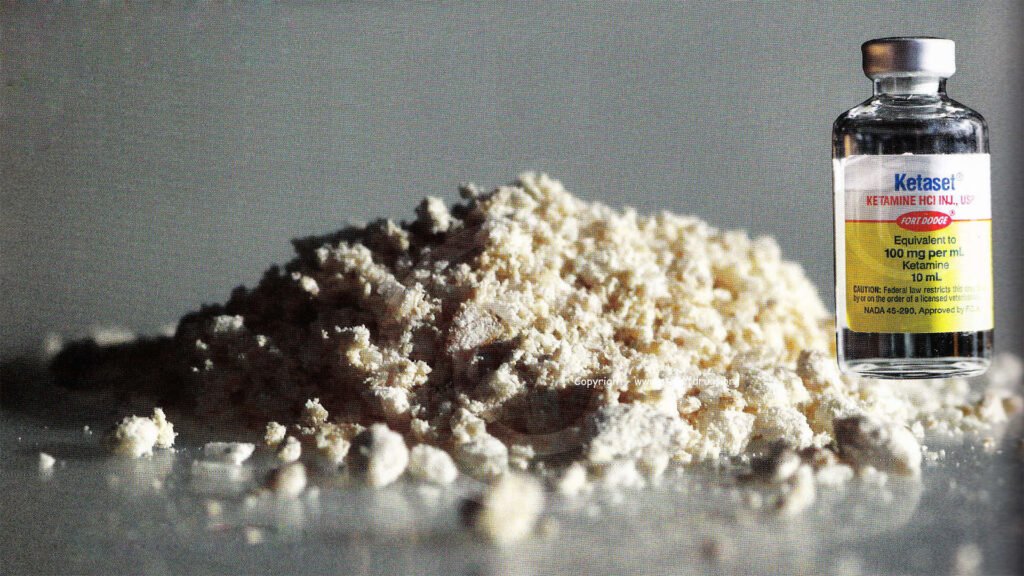
Most people think of ketamine as a drug of abuse, but it is also a potent painkiller that is regularly used by anesthetists and pain specialists. There is evidence of ketamine being used to treat patients who had developed a dependence on opioid-based painkillers such as oxycontin. In many cases, ketamine use minimized the effects of opioid withdrawal, and then patients were weaned off of ketamine with minimal withdrawal symptoms. While ketamine use has the potential to create a new addiction, it could be the lesser of two evils for patients who’ve developed opioid dependence.
8) Kratom- Assisted Detox
Kratom is a tropical plant grown in Southeast Asia which has long been used as a painkiller and mild stimulant. It is also an opioid agonist, meaning that it stimulates the same receptors as opioids, and is now being used to lessen the symptoms of opioid withdrawal. Its effects have been praised by many recovering addicts, but it can create dependence if used heavily, and side-effects can include hallucinations, paranoia, hypothyroidism, and liver damage. Because kratom is currently sold as an herbal supplement in many countries, it is easily accessible, but should be used with caution. The evidence for kratom’s effectiveness is currently just anecdotal, since clinical studies have yet to be completed.
9) NAD+ Therapy
NAD+ is a naturally occurring co-enzyme of niacin which has demonstrated promise as a treatment for substance abuse disorders. Studies have shown that addicts generally have very low levels of NAD+ in their systems, and many of the physical and mental disorders that frequently co-occur with addiction have been proven to deplete the body’s store of this essential nutrient. Proponents of the treatment tout its ability to restore the balance of neurotransmitters, which is disrupted by the process of withdrawal, decreasing withdrawal symptoms and cravings
NAD+ works in theory because it creates “neuroplasticity”, the brain’s ability to create new neural pathways and heal itself. Years of addiction condition the brain to release dopamine when given substances of abuse, and to respond to stress, pain, and anxiety by treating them with drugs and alcohol. NAD+ can help to change the structure of the brain, offering addicts the chance to gain pleasure from activities other than substance abuse and to find new ways to cope with the stresses of life.
10) Psilocybin-Assisted Detox

As with many of the substances on this list, psilocybin therapy is associated with increased neuroplasticity and beneficial changes in brain chemistry. Various studies have found that psilocybin therapy helps those suffering from depression and alcohol dependence, though the exact mechanisms by which it works aren’t yet known. As a participant in one study on psilocybin’s effects on alcohol abuse noted, his experience wasn’t focused on his dependence on alcohol, but rather on the stresses, guilt, and happiness which his relationship with family members created. His recovery wasn’t motivated by a desire to avoid alcohol, but rather by the prospect of improving his relationships with loved ones. He reported being effortlessly abstinent for months afterward, before beginning to drink moderately once again but with “a conscientiousness he had never experienced with alcohol before.” Two years after the study his drinking remained under control. The changes to the ego, a renewed sense of connection with others and with one’s true self, and changes in brain chemistry are all touted by advocates of psilocybin therapy, and the news is reaching the mainstream, as this recent “60 Minutes” report shows.
11) Rational recovery
Rational Recovery is a program created by California social worker Jack Trimpey which is designed as an alternative to 12 Step programs. It appears to be based somewhat on CBT, as it identifies what is referred to as the “Addictive Voice” as the driver of substance abuse. The Addictive Voice is essentially a thought process that steers the addict towards the object of addiction without regard for consequences, health, or responsibilities. Rational Recovery aims to teach the addict to recognize and ignore thoughts and impulses created by the addictive voice, and to create patterns of thought and behavior that enable a healthy life. Rational Recovery did not include religious or spiritual principles and regarded addiction as a voluntary behavior rather than a disease. Although the movement officially ended in the early 2000s, many of the ideas espoused were adopted by SMART Recovery.
12) 12-Step and SMART Recovery Programs
We’ve written before about the contrasts between these two models for peer support organizations, and both have a lot to offer addicts in recovery. Philosophically, one of the major differences is that SMART Recovery is built on a foundation of scientific principles, while 12 Step Programs favor spirituality. Because of this, 12 Step groups encourage their members to admit that they’re powerless in the face of addiction and call on a higher power, while SMART Recovery uses the principles of Cognitive Behavioral Therapy to encourage individuals to take control of their own thoughts, behaviors, and actions to build a positive life.
Proponents of the 12 Step model also believe that the principles they follow are universally applicable to all addicts, while SMART Recovery allows members to create their own approach based on age, gender, emotional needs, and other considerations. 12 Step meetings are generally facilitated by peers who have no special status or authority, while SMART Recovery meetings are led by professional therapists. The principles of SMART Recovery also allow for the idea of being “recovered’, while 12 Step adherents feel that addiction is an incurable disease that the addict must live with and manage for their entire life. In our view, the greatest advantage of 12 Step groups is the presence of a sponsor, a peer experienced with life in recovery who commits to offering you guidance and personal support. SMART Recovery, on the other hand, benefits from being committed to evolving with the latest advances in pharmacology and neuroscience, adapting its approach to treatment as we learn more about the nature of addiction.
Investigate!
As you can see, you have a plethora of options to choose from if you feel you need a push down the road to recovery. While we at Tabula Rasa Retreat wouldn’t recommend every new approach that’s out there, we do advise all addicts to find an approach that matches their unique needs. It won’t be easy, but with the right approach, you can beat your addiction. If you’d like to discuss any method for living a healthy, sober life with us, we’d be happy to open a dialogue with you!
11th December 2020 • Sticky Post
Treatment for Dual Diagnosis: What You Need To Know
Dual diagnosis generally refers to an addiction that is complicated and exacerbated by a mental health disorder, and is often referred to as a “co-occurring disorder”. Both addiction and mental health disorders are notoriously difficult to treat. Both afflictions are rooted deep in neurological processes, past trauma, and genetic predispositions. When they combine they can have horrendous health consequences for sufferers. Medical studies have demonstrated that co-occurring disorders exacerbate and intensify the already brutal effects of addiction. Research shows that dual diagnosis individuals face challenges such as “greater exacerbation of psychiatric symptoms, medication nonadherence, an increase in aggressive and violent behaviors, poor personal hygiene, emergency room visits, and inpatient psychiatric placements.”
Properly identifying and creating diagnostic tools for identifying those at risk of or suffering from dual diagnosis is difficult. The symptoms of different mental illnesses are extremely varied, ranging from eating disorders to schizophrenia. And the stimuli provided by different substances can create a broad range of behaviors, symptoms, and actions. The National Alliance on Mental Health provides a list of signs that someone may be dealing with addiction and mental health issues, including withdrawing and isolating oneself from friends and family, confused thinking, sudden mood swings, loss of control over substance use, and engaging in risky behavior.
The most common psychiatric disorders associated with addiction and dual diagnosis are generally identified as
- Anxiety
- Depression
- Eating disorders
- Bi-polar
- Obsessive-compulsive disorder
- Schizophrenia
Many sufferers use substances to relieve the symptoms of their psychiatric ailments, and while this may seem to help in the short term, self-medication generally leads to substance abuse, a condition that leads to increased levels of anxiety and intensifies the symptoms of depression. As symptoms of mental health conditions worsen, individuals often become more reliant on drugs and alcohol, creating a negative cycle of dependence and despair.
Therapeutic Complications

One of the unique challenges in dealing with dual diagnosis is recognizing where problems are coming from. For instance, is the client depressed as a result of withdrawal, remorse over their actions, or an underlying mental issue? Dual diagnosis puts health-care providers in the position of trying to solve the classic “which came first, the chicken or the egg” question. It takes a real commitment from both the patient and the treatment provider to discover the root causes which must be addressed to allow for healing from co-occurring disorders.
Another challenge is that individuals with dual diagnoses present higher risks when put in stressful treatment situations. Statistics show that in the United States, a whopping 90 percent of those who commit suicide are struggling with depression, a substance use disorder, or a combination of the two. Dual diagnosis patients are also more likely to have violent tendencies, and attempt to harm others during treatment. So treatment providers need to have clearly established policies and procedures for maintaining the safety of patients and staff members in order to successfully deal with this thorny problem.
When treating dual-diagnosis disorders, it’s important that those involved be aware that the process will likely be longer and more complicated than traditional substance abuse treatments. Successfully dealing with drug addiction is a difficult and complex process in which relapses are quite common. When you add mental illness into the mix, care and patience are essential elements for healing. Don’t expect a quick fix or a magic bullet. The road to wellness could take months or years to travel, and having realistic expectations and committing to the process is essential for success.
Overcoming Dual Diagnosis
When attempting to treat co-occurring disorders, finding the right treatment provider is incredibly important. Integrating treatment is a fundamentally important element for dealing with dual diagnosis, and because treating these ailments is such an arduous and complex process, finding a facility that is experienced in dealing with these issues is highly recommended. Studies have shown that finding a treatment provider with the capability to treat both of your disorders under one roof can provide have a positive effect on treatment outcomes, and research has also shown that creating an individualized plan for dealing with dual diagnosis is a cornerstone of the most successful programs.
Cognitive Behavioral Therapy has also shown great promise for treating co-occurring disorders. The treatment, which focuses on teaching patients to unlearn hard-wired behaviors and change their self-perception and decision-making patterns, has changed the lives of thousands suffering from both addiction and mental health issues. Other alternative forms of therapy have also proven beneficial for dealing with the stresses and anxieties related to treatment and withdrawal. Yoga, mindfulness practice, and breathwork have all shown the potential to allow greater control of thoughts, “fight-or-flight” responses, and depressive tendencies.
Another treatment that has the potential to deliver massive benefits in treating dual diagnosis is iboga therapy. Many of the detrimental changes to brain chemistry and neural pathways that are caused by addiction and mental disorders can be re-set through iboga treatment. The substance has been shown to increase neuroplasticity, restore dopamine receptors in the brain to natural levels, and help individuals break free from toxic patterns of thought and behavior. The iboga experience can also offer relief from the symptoms of withdrawal, particularly for those addicted to opiates and opioids. This can allow patients to devote more of their energy to dealing with underlying mental health issues instead of focusing exclusively on breaking free from physical addiction.
Now What?

Everyone who suffers from a co-occurring disorder will have unique symptoms and hurdles to overcome in treatment. There are no easy solutions, but examining your own needs and challenges and finding an addiction treatment provider who can provide you with the resources that you need will greatly improve your odds of breaking free from this affliction. If you have any questions about our strategies for healing those suffering from co-occurring disorders, get in touch today!
8th December 2020
Addiction Treatment in Australia: Why Australians are Looking Abroad for Options
Australia has a serious drug problem that keeps growing worse. As the opioid crisis rages on, rapidly increasing numbers of Australians have been experimenting with, and becoming addicted to, the same opioid-based pain pills that have devastated communities across the United States. Australia’s death rates from opioid related overdoses have doubled over the past decade, and many experts fear that the problem is growing exponentially worse. Coroners around the country, faced with thousands of deaths, are uniting to call on the government to impose stricter regulations on deadly “medicines” such as OxyContin and Fentanyl. In fact, the Royal Australian College of General Practitioners dubbed the problem a “national emergency” over two years ago, but it's then-President Dr. Bastian Seidel now wonders if anyone was listening.
Legal opioid use has quadrupled between 1990 and 2014 according to University of Sydney researchers, and one hospital even hired an extra pharmacist to deal exclusively with ballooning prescriptions for opioid-based pain pills. Opioid-related deaths have jumped from 439 in 2006 to1,119 in 2016, with most of the fatalities resulting from legal painkillers rather than illegal narcotics like heroin. More than 3 million Australians, one-eighth of the country’s population, are now getting at least one opioid prescription per year according to the latest data. The problem is particularly troubling in Tasmania, where 2.7 pill packs are sold each year per each resident, while in some regions there are more government-subsidized prescriptions for opioids than there are people.
Almost all of the statistics we can find about drug use and Australia's addicts are frightening. And the country’s opioid crisis is a ticking time bomb that could push thousands of Australians into illicit drug use as the country moves to restrict the supply of legal opioids. Meanwhile, the country has struggled to keep pace with funding for public treatment facilities, with news outlets reporting that up to 500,000 citizens can’t access the treatment they desperately need. The number of Australia's addicts using public rehab facilities has increased substantially in recent years, with 130,000 people taking advantage of public facilities in 2018. Meanwhile, funding has remained flat, raising wait times and leaving existing centers overflowing with clients. If you’re one of Australia's addicts and you're looking for solutions and a sense of hope, turning your gaze abroad may be the wisest approach.
Why Portugal?

Addiction Treatment in Australia
Portugal was in the midst of an epidemic of heroin addiction when they made the dramatic decision to embrace the principles of harm-reduction and decriminalize the consumption of all drugs. As one of the architects behind Portugal’s new approach explains it: “We realized we were squandering resources. It made much more sense for us to treat drug addicts as patients who needed help, not as criminals.” By removing the threats of prosecution and incarceration, Portugal has reduced the stigma surrounding addiction, and the number of addicts receiving treatment has increased by 60% since 1998. The results the country has achieved simply by treating addicts with dignity and viewing addiction as a health issue has caused countries such as France, Switzerland, and Germany to embrace harm-reduction. Portugal’s clear-headed, compassionate approach to treating addiction makes it an ideal destination for those attempting to overcome substance-abuse problems.
Australia has been reluctantly embraced some of the principles of harm-reduction. But the country still spends 66% of its drug-related budget on police enforcement, and a middling 2.1% on harm reduction measures. And the country still arrests drug users and small-time dealers at alarming rates: the country had 154,000 drug-related arrests in 2017, with 88% of defendants charged with simple possession.
Australia offers some publicly funded drug treatment options to Australia's addicts looking to reclaim their lives, and there are also privately run residential treatment facilities. These centers have the benefit of being close to home, but for Australians without substantial bank accounts, the cost of effective treatment in a comfortable setting can be staggering. Luxury private facilities have rates rising as high as $70,000 per month! And if you’re looking for a publicly funded facility, you need to be prepared for wait times spanning weeks, or even months before being placed in an overcrowded and under-funded treatment facility. The shortage of treatment beds and affordable facilities has pushed many addicts to the brink of despair.
In theory, seeking treatment in these centers will not put you at risk of increased attention from the police or the stigma of being an addict in a society that views drug use very harshly, but if you’re living in a small community, word might still spread. If you’re looking to be treated with dignity and respect, experience compassionate treatment, and maintain your privacy, going abroad might be your best option. Drug addiction is still viewed harshly in many Australian communities, with studies finding that addiction carries more stigma than mental illness. In many small towns, Australia's addicts are still seen as criminals who have succumbed to a “moral failing” rather than sick people in need of medical treatment. If you’d prefer to be treated as a person, rather than a junkie, as you begin your recovery journey, you might want to consider seeking treatment in Portugal!

1) Environment
Leaving an environment full of familiar stressors and temptations can have a beneficial effect in treatment, and Portugal is a great place to recover from the traumas related to addiction. It’s a picturesque country with a lovely Mediterranean climate. It’s dotted with quaint villages, ancient ruins, majestic castles, and miles of beautiful coastline. And there are few regions better suited to recovering your health than Portugal’s sun-drenched Alentejo region. A land of rolling hills and vast plains, the Alentejo offers visitors the opportunity to recover their health and connections to the natural world by riding horses, watching birds, stargazing, hiking and cycling. Many Australian visitors are especially appreciative of the temperate climate, peaceful lifestyle, and delicious regional fare, and escaping the punishing heat of Australian summers can be extremely beneficial to your mood and receptiveness to treatment. All this, while enjoying a rehab facility that rivals a luxurious resort or hotel for a fraction of the cost of treatment back home. You’ll disconnect from a toxic environment and share amazing new experiences with people from all around the world!
2) Privacy

While increasing numbers of people are coming to the understanding that addiction is a medical issue, there is still a significant social and professional stigma that comes with seeking treatment for substance abuse. If you head to Portugal, it’s easy to tell friends, family members, and colleagues that you’re off on a much-needed vacation and avoid awkward conversations and prying questions. There’s also no risk that someone will spot you emerging from a clinic or support group meeting and start whispering.
3) Promising Treatments Unavailable At Home

We’ve written a lot about the undeniable power of ayahuasca and iboga to combat the addictive properties of opioids and other drugs and to open the addicted mind to the idea of a positive transformation into sobriety. Because Portugal has decriminalized all drugs, promising treatments that cannot be obtained in a safe medical setting in Australia can be accessed here with the supervision of health-care professionals. If you think a treatment that uses a psychoactive substance is your best option, we’d recommend getting away from Australia, where this promising treatment is currently illegal, which makes it impossible to find responsible treatment providers.
4) Easy Intake

When you’ve reached rock bottom, a treatment center that can quickly start the process of detox and recovery can be a life-saver. The prospect of waiting months for the in-patient treatment you need can be a heart-breaking, motivation-sapping roadblock. Australia’s drug treatment programs are underfunded, one of the main reasons why the majority of Australian addicts are pushed into less intensive outpatient treatment programs. Treatment centers abroad can immediately start the intake process, allowing you to strike back at your addiction when you’re feeling hopeful and motivated. This can make all the difference in the world!
Iboga Tree Healing House

At Iboga Tree Healing House we have a unique ability to accommodate clients from around the world with our welcoming, open-minded, and international staff. You’d be hard-pressed to find a treatment center more committed to the safety of their clients than Iboga Tree Healing House. We’re also deeply committed to maintaining a supportive and non-judgemental environment for facilitating recovery and personal growth.
In addition to offering iboga treatment, we also provide a wide array of holistic treatments, including breathwork, kundalini yoga, equine-assisted therapy, kambo, and more. All of these practices are extremely beneficial for re-energizing both body and spirit to pursue recovery. In combination with our ten-hectares of outdoor space, large terraces, and outdoor swimming pool, we let nature remind our clients to be grateful and receptive to new horizons and second chances. We have many testimonials from people around the globe who’ve benefited immeasurably from experiencing our treatments in beautiful, sunny Portugal. If you're one of Australia's addicts and you’d like to experience treatment in Portugal, don’t hesitate to get in touch!
2nd December 2020 • Sticky Post
Equine-Assisted Therapy: 5 Benefits You Might Not Know About
The bond between humans and horses has always been strong. People and horses have shared mutual understanding and sympathy over the centuries. Because horses are naturally sensitive and intuitive animals, their ability to mirror moods and behavior can make them ideal companions. Ancient authorities going as far back as Hippocrates have touted the health benefits that can be obtained by regular interactions with horses, and the science behind Equine-Assisted Therapy dates back to French neurologist Charles Chassaignac, whose 1875 study found a variety of benefits derived from regular riding, including improved balance, joint function, muscle tone, and mood. The practice continued to gain steam in the years following the First World War when Oxford Hospital introduced a therapeutic riding program for those injured in the Great War. Equine-Assisted Therapy has continued to develop since then. Let’s take a look at 5 benefits Equine-Assisted Therapy can offer to those suffering from a variety of ailments.
1) Equine-Assisted Exercise

Riding a horse moves the body in a way that’s physically similar to the human gait. It is wonderful exercise for people with physical challenges that limit their ability to partake in vigorous physical activity. PATH (Professional Association of Therapeutic Horsemanship) has found that equine therapy can create improvement in flexibility, balance, and muscle strength. Scientific studies have shown a host of physical benefits from riding for individuals with cerebral palsy, Down syndrome, multiple sclerosis, spinal cord injuries, amputees, and those recovering from strokes. A host of studies have illustrated the benefits Equine Assisted Therapy can offer in terms of gaining or recovering mobility and motor skills.
2) Emotional Healing

As anyone who has interacted with horses knows, they are sensitive, intuitive animals capable of picking up on our emotional state and responding to it appropriately. As EAGALA, one of the leading Equine-Assisted Therapy organizations notes, horses can intuitively read our body language, behavior, and tone of voice to determine our emotional state. Their responses are often more honest and instinctive than what other human beings offer in response to our behavior. This can give us valuable feedback on our own emotional states, and the ways in which our emotions affect those around us.
Riding can also teach us how to co-operate and engage more fully with the people in our lives. Horses are large and powerful creatures. They also all have different personalities, traits, and desires that we must learn in order to have successful relationships with them. When we interact with horses, we quickly learn the limits of our ability to control them, and we enter into a dialogue where we must engage and persuade rather than simply command. This experience can offer us valuable insights into our relationships with the people in our lives.
3) Overcoming PTSD
PTSD is a crippling ailment that often goes hand in hand with addiction. Anxiety, panic attacks, insomnia, nightmares, and depression are just some of the symptoms of this disorder. But recent studies have discovered that, like household pets, horses can have a strong positive effect on PTSD sufferers. Researchers in the UK discovered that Equine-Assisted Therapy reduced the PTSD scores for 87.5% of those studied after just six weeks. Both horses and PTSD sufferers are hyper-vigilant to their environments, and learning to build a shared sense of trust is incredibly helpful for those with PTSD. As Margaret Steele, wife of an American military officer and advocate for EAT who has watched many combat veterans benefit from the therapy notes: “It is impossible for an individual suffering from PTSD to work with a horse since the horse reads all of these emotions in you and will start to emulate them. This causes the client to have to work on their own issues to make progress with the horse. In a sense, the horse works like a mirror.”
4) Coping With Anxiety

Millions of people around the world suffer from anxiety, and most of them suffer from intense worries about the past, and fears about their future. We’ve written before about how focusing on mindfulness and the present moment can offer relief from these symptoms of anxiety disorders. Equine therapy is a fantastic tool for learning how to be mindful, since interactions with horses force the patient to focus intently on the animal’s actions and reactions rather than their own thoughts. Because horses are hyper-alert, and always instinctively prepared to flee from danger, a natural sense of sympathy arises. As experts note, “Processing challenges through the behavior of the horse can be easier for clients than speaking directly about their own personal experiences with anxiety.” Equine therapy often allows the anxious to process experiences and practice vulnerability in a safe and trusting environment.
5) Healing Addictions

We’ve written before about the close relationships between trauma, anxiety, and addiction. Equine-Assisted Therapy can help the addicted by helping to ease their suffering from past trauma and present anxiety. But it has another massive benefit in that it can rebuild the sense of trust and feelings of self-worth that have been eroded by the isolating, debilitating affliction. Most addicts have isolated themselves from loved ones and destroyed their self-esteem through years of destructive behavior and negative thoughts. In order to heal, they must learn how to conduct healthy relationships with others, and horses can be an ideal teacher for these lessons.
In many cases, non-verbal communication is an easier place to start re-learning how to express yourself honestly and build trust with others. Because horses are intuitive, non-judgmental, and honest creatures, they will always provide excellent feedback on what you’re communicating to the world. If you’re tense, jumpy, or irritable, they’ll let you know. They can offer extremely valuable advice on how to communicate effectively, regulate moods and emotions, and build positive communication skills.
At Iboga Tree Healing House we believe that Equine-Assisted Therapy can offer invaluable benefits to people suffering from a great many disorders. It’s a wonderful complement to addiction treatment and traditional psychotherapy because it offers clients the ability to learn through experience and develop emotional skills that can’t be cultivated by mere words. If you have any questions about exploring the power of this form of therapy, don’t hesitate to get in touch!

