-
Conor McGregor and Ibogaine: Celebrity Stories, Joe Rogan and the Slow Road to Legal Reform
4th December 2025
4th December 2025
Conor McGregor and Ibogaine: Celebrity Stories, Joe Rogan and the Slow Road to Legal Reform
Conor McGregor and Ibogaine: Celebrity Stories, Joe Rogan and the Slow Road to Legal Reform
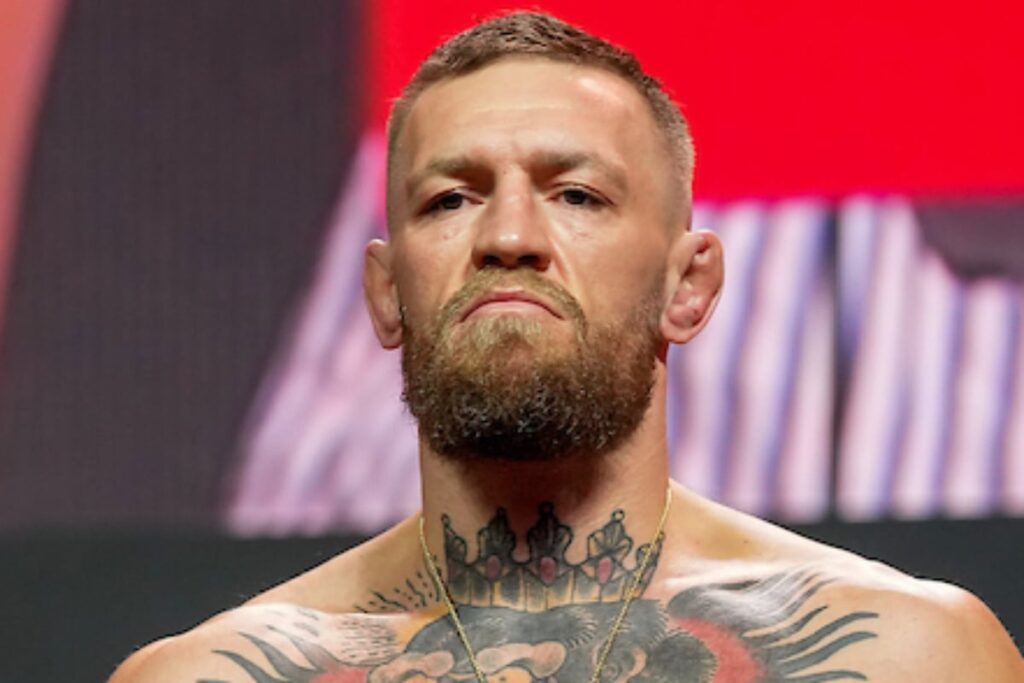
When news broke about the recent Conor McGregor ibogaine treatment, mainstream outlets that normally focus on knockouts and pay-per-view numbers suddenly found themselves explaining a West African shrub and a psychedelic therapy delivered in a clinic outside Tijuana.
According to McGregor, he underwent a 36 hour ibogaine session at a treatment clinic in Mexico, overseen by doctors collaborating with Stanford researchers, to address trauma, brain injury and the fallout of a turbulent few years.
For those of us in the ibogaine world, it is a striking moment. McGregor joins a growing list of celebrity ibogaine stories that have helped drag this treatment out of the underground and into the public square. Yet the laws in the United States, the United Kingdom and much of Europe are still decades behind the science and the lived experience of patients.
At Iboga Tree Healing House, we welcome the visibility that figures like McGregor, Lamar Odom, Hunter Biden and Jordan Belfort bring. At the same time, we know that a tweet or a Netflix documentary cannot replace careful medical screening, good preparation and compassionate integration support. For anyone considering ibogaine treatment in Europe, the headline is only the starting point.
Conor McGregor’s 36 Hour Ibogaine Journey
In late 2025, when McGregor broke his social media, he described his ibogaine treatment. He spoke of seeing religious imagery, of feeling his brain, heart and soul being “healed”, and of the experience “saving” his life and family.
He also urged followers to watch In Waves and War, the Netflix documentary that follows former Navy SEALs who travelled to the same clinic for ibogaine treatment in Mexico as part of a Stanford-monitored programme for post-traumatic stress and traumatic brain injury. From a clinical perspective, McGregor’s story sits at the intersection of several strands of research, such as ibogaine for addiction, PTSD and TBI.
Ibogaine treatment often involves a long, sometimes physically uncomfortable psychoactive journey that can last 24 to 36 hours, with introspective “visions”, autobiographical replay and powerful emotional processing. It also carries cardiac risks, which is why reputable clinics insist on full screening, continuous monitoring and strict exclusion criteria.
For someone like McGregor, with years of head trauma (mTBI) and the weight of global scrutiny, the pull towards a radical reset is easy to understand. What his story shows the wider public is that ibogaine is not just something spoken about quietly in addiction circles. It is entering the vocabulary of elite athletes, veterans and high-profile public figures.
If you are researching a safer, medically supervised alternative to improvised psychedelic tourism, it is worth starting with a dedicated ibogaine treatment provider in Europe such as Iboga Tree Healing House, where screening and aftercare are built into the process from day one.
Joe Rogan, Rick Perry and the Politics of Ibogaine
Celebrities taking plant medicine is one thing. Influential figures using their platforms to talk through the implications is another. This is where Joe Rogan’s ibogaine conversations and Rick Perry’s ibogaine advocacy become important.
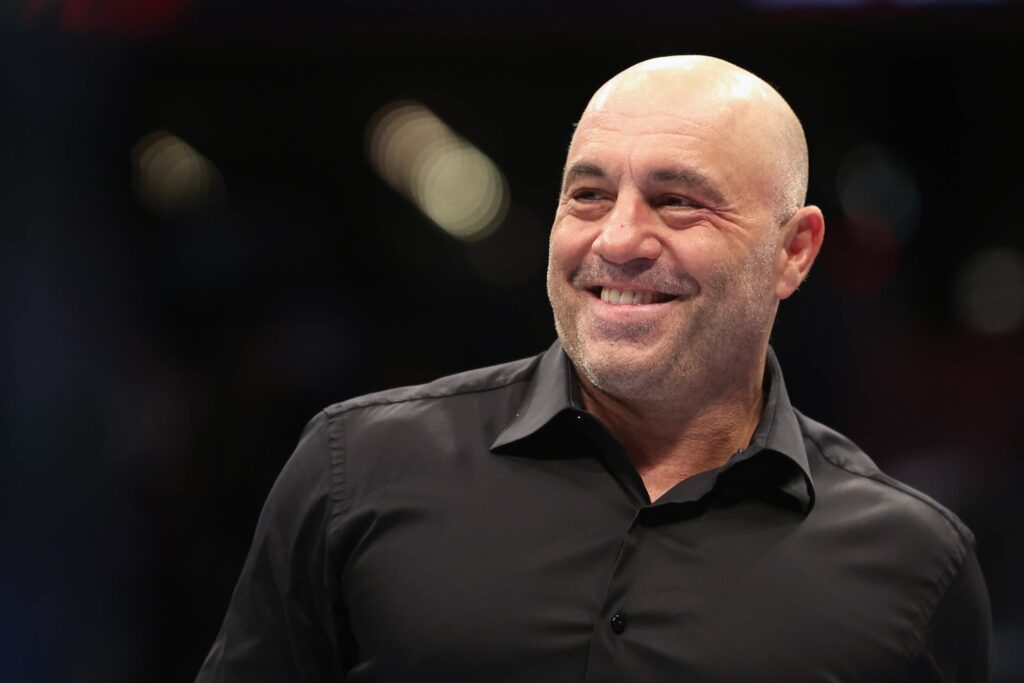
On episode #2251 of The Joe Rogan Experience, Rogan sat down with former Texas governor and US energy secretary Rick Perry and W. Bryan Hubbard to discuss ibogaine in detail.
The conversation covered ibogaine’s reported effects on addiction, PTSD and brain injury in veterans, as well as the practical and ethical need to bring treatments currently available only abroad into regulated medical frameworks at home.

Perry’s commitment is not theoretical. He has publicly described undergoing ibogaine himself at a clinic in Tijuana in 2023, speaking about confronting childhood trauma, seeing disturbing visions and emerging with a markedly improved mood and sense of clarity
Since then, Perry’s ibogaine advocacy has focused on two main goals:
- Pushing for rigorous clinical trials, rather than leaving ibogaine in an unregulated grey zone
- Ensuring that veterans suffering from PTSD, depression and traumatic brain injury have access to therapies that actually work for them, even if they challenge the status quo
Alongside Perry, Rogan has repeatedly highlighted ibogaine for PTSD and ibogaine for traumatic brain injury in veterans, amplifying the work of organisations and researchers trying to move policy. Short clips from his show circulate widely, compressing complex discussion into shareable soundbites that can reach millions of viewers who might never read a scientific paper.
From an awareness point of view, Joe Rogan ibogaine exposure matters. It pushes ibogaine into everyday conversation, introduces names like “ibogaine” and “Tabernanthe iboga” to audiences who might otherwise lump all psychedelics together, and gives political cover to lawmakers who might be considering reform.
Texas, Clinical Trials and the Slow Shift in Ibogaine Legal Status
One concrete result of this pressure has appeared in Texas. In June 2025, the state approved 50 million dollars in funding for ibogaine clinical trials focused on addiction and brain trauma, with private investors required to match the investment.
This is a remarkable move, given that at federal level in the United States, ibogaine’s legal status remains that of a Schedule I controlled substance with “no accepted medical use”. The law still treats ibogaine as if it were simply a dangerous hallucinogen, even as states like Texas pour money into research that may one day support a full marketing authorisation.
Why Preparation, Screening and Integration Matter
High-profile endorsements can make ibogaine look glamorous or “cutting edge”. In reality, safe ibogaine treatment for addiction, or traumatic brain injury is thorough, cautious and meticulously supervised in its day-to-day logistics.
If you are seriously considering ibogaine, the questions to ask are not “Which celebrity went where?” but:
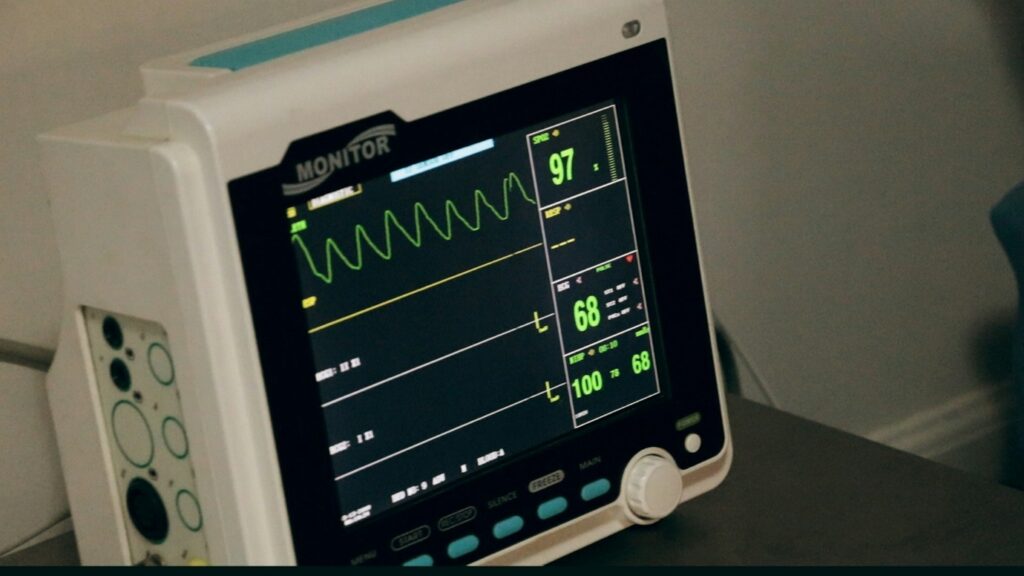
- Does this provider carry out full cardiac screening, including ECGs and lab work?
- Will there be qualified medical staff present throughout the session?
- How many patients are treated at the same time?
- What happens if something goes wrong?
- What preparation and integration support is offered before and after the session?
At Iboga Tree Healing House, for example, we place great emphasis on pre-care, medical assessment and aftercare.
We encourage people to read our ibogaine FAQs and client testimonials to get a realistic sense of what the process involves.
Celebrities have teams around them. They can afford premium clinics and private medical support if complications arise. Most ordinary people cannot. That is why a responsible ibogaine treatment provider in Europe will always prioritise safety over spectacle, and will sometimes tell someone that ibogaine is not appropriate for them.
From Headline to Personal Decision
The Conor McGregor ibogaine treatment story, the journeys of Lamar Odom, Hunter Biden and Jordan Belfort, and the voices of ibogaine advocates such as Joe Rogan and Rick Perry all point in the same direction. Ibogaine is no longer a rumour whispered on internet forums. It is in mainstream newspapers, Netflix documentaries, state legislatures and the feeds of millions of people who have never set foot in a rehab centre.
That visibility is good news. It helps dismantle stigma, encourages serious research and makes it harder for regulators to pretend that ibogaine does not exist. Yet the road from celebrity ibogaine stories to sensible, trauma-informed, accessible treatment is long. Legal frameworks in the US, UK and Europe are still catching up. Research must continue, not only into ibogaine itself but into safer derivatives and protocols that reduce cardiac risk without losing therapeutic value.
In the meantime, each person who considers ibogaine has to navigate real-world constraints: health history, finances, travel, family responsibilities and fear. A famous name might be what brings someone to Google in the first place. What keeps them safe is choosing carefully, asking the right questions and working with a team who see them as a human being rather than a case study.
If you are exploring ibogaine treatment Europe and want to understand whether it may be appropriate for you or a loved one, we invite you to do your research. You will find lots of information and resources on our website.
There is no pressure and no one-size-fits-all answer. Our role is to listen, to share what we know and, where appropriate, to help you prepare for a safe and meaningful encounter with this powerful medicine.

