-

Iboga Blog
Iboga Blog
26th August 2019
Executive Burnout: 5 Signs To Watch For
When we think of executives, we generally picture an idealized life. A corner office, a golf course, a power suit, maybe even a private jet. But managing people comes with a unique set of challenges and stresses which can seem unending. As a manager, you’re constantly dealing with incompetent, unhappy and negative workers and trying to form them into a working team. You must define goals and determine how best to achieve them in less than ideal circumstances. As the Harvard Business Review has noted, managing people is “the most difficult administrative task, and it has built-in frustration. That frustration can -and does- cause many managers to burn out.”
Worse still, executive burnout can often lead to even bigger problems, like substance use disorders. SAMHSA has noted that of the “ individuals employed in the management sector (e.g., business executives and other managers), 11.4 percent had a diagnosis of a substance use disorder within the year prior to the survey. This was the sixth-highest rate of all the occupations surveyed.” A demanding job which can cause a severe disconnect from the people close to an individual takes a severe toll on the psychological well-being of many executives.
Let’s take a look at 5 signs of executive burnout, and ways to deal with them.
1) Irritability, Cynicism, and Negativity
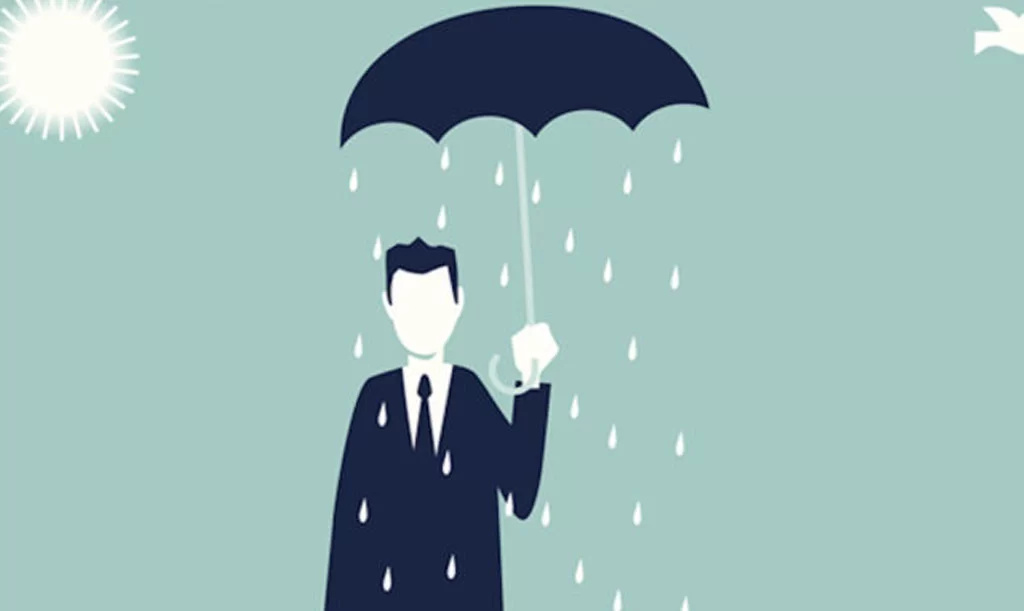
Many people who have suffered executive burnout note that the demands of dealing with constant reorganization can create a deep sense of dissatisfaction with their companies. Work lives are disrupted for seemingly arbitrary and political reasons, and promotion and reward can seem to be based on factors other than merit. Meanwhile, you’re dealing with the complaints of suspicious, competitive, and entitled subordinates. These factors often lead managers to question the value of their work and the paths their companies have chosen. As the Harvard Business Review notes, “a special phenomenon occurs after people expend a great deal of effort, intense to the point of exhaustion, without visible results. People in these situations feel angry, helpless, trapped, and depleted.”
2) Isolation

This symptom manifests itself in the work and home lives of those suffering from burnout. At work, it can be a tendency to close your door or find an excuse not to go out for lunch with colleagues. As burnout becomes more severe, sufferers may begin coming in early and leaving late to avoid interacting with others, or they might become angry whenever they’re spoken to by a colleague. The demands of constantly working with others in stressful situations can cause managers to feel besieged, and drain social situations of a sense of pleasure and companionship. At home, irritability with demands on time and emotions from your family is common and pushes vital sources of support away from those who need them. Burnout often leads to interpersonal tension within families, and hair-trigger emotional responses associated with the condition can drive family members away.
3) Exhaustion and Insomnia

Trouble sleeping is commonly associated with burnout. It often begins with difficulty falling asleep one or two nights a week or disturbed sleep in times of stress. Trouble sleeping is often associated with persistent thoughts of seemingly insurmountable problems and intractable situations at work. In the later stages of burnout, insomnia is often a nightly ordeal.
With or without insomnia, the feeling of exhaustion is a tell-tale sign of burnout. According to Psychology Today, for those suffering from burnout, “fatigue becomes a physical and psychological state of exhaustion. You feel drained. Everything takes a concerted effort. You have no energy, so you do as little as possible to make it through the day. You find it difficult to get out of bed and may even call in sick on the days you feel like you simply can't get out of bed.” Exhaustion and burnout go hand in hand: the World Health Organization characterizes the disorder as “a state of vital exhaustion.”
4) Immune System Issues
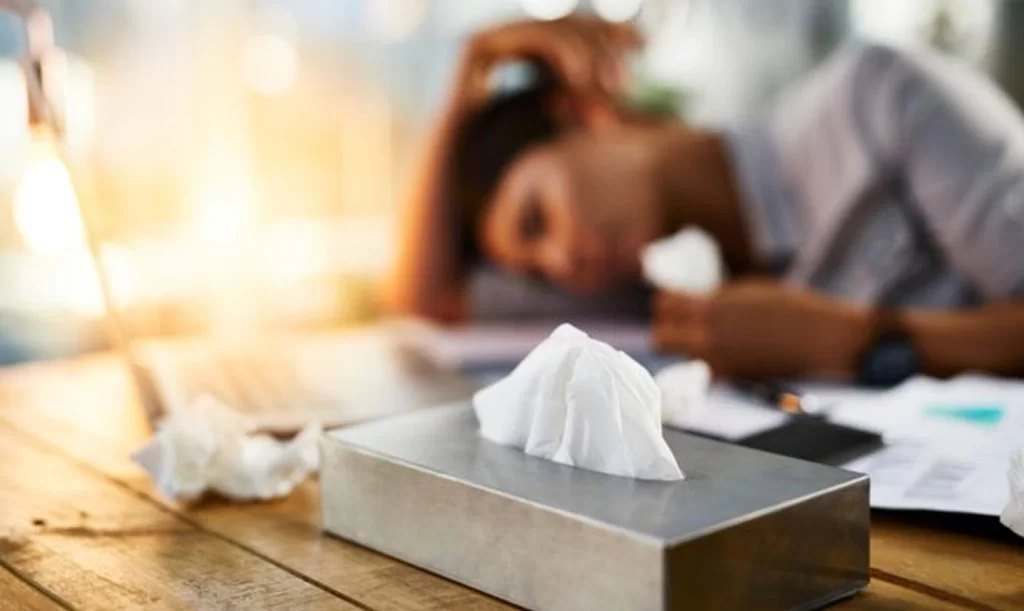
Because the body is exhausted and depleted by burnout, sufferers often experience illness more frequently, and their symptoms tend to linger. Studies have shown that people experiencing burnout are more likely to experience upper respiratory illnesses, stomach and bowel problems, and headaches. And if left unchecked it can lead to life-threatening illnesses. A study at Tel Aviv University found that the syndrome can increase the risk of coronary heart disease by up to 79%, and also increases the risk of stroke.
5) Anxiety and Depression

In its early stages burnout commonly causes intermittent bouts of tension, worry, sadness, and hopelessness. At its worst, it leaves sufferers feeling trapped, panicked, and even suicidal. Many executives dealing with burnout have reported panic attacks, and anxiety so severe that they began calling in sick to work.
Meanwhile, recent research suggests that depression and burnout seem to be inextricably linked. American researchers studying 5575 participants who identified as burnt out met “criteria for a provisional diagnosis of depression.” The same study also observed that “burnout and depressive symptoms have been found to be inseparably linked, increasing or declining together over time.”
Healing Burnout

One idea for dealing with burnout is to contemplate a career change. Clinical psychologist Rachel Andrew understands burnout as a response to intolerable pressure and stress: “In the people I have met, it can be quite functional – the only way your mind and body have left to keep you safe, of protecting you when there are no other options available. But it’s not a decision that you make; it happens unconsciously.”
Of course, a career change isn’t an option for everyone. Another way to prevent burnout is to change management structures, and promote collaboration and shared responsibilities. Companies that offer their employees a sense of purpose and belonging are far less likely to create burnt out managers, according to experts. The new movement Minds At Work is working to educate employers on their responsibility to care for the mental well-being of employees. But we are probably years away from corporate cultures that don’t foster stress and competitiveness.
If you don’t have the option of packing it in and opening an antique shop in a picturesque village, alternative psychological treatments can be a life-saving option. Studies have shown that psychedelics and oneirogenics, such as Iboga, can profoundly help severely depressed groups who don’t respond to traditional treatments. They also foster a sense of connectedness with others that can free sufferers from the debilitating sense of isolation that goes hand in hand with executive burnout. The treatment has helped many individuals suffering from dual-diagnosis related disorders, and the sense of spiritual well-being it can awaken is an ideal option for those dealing with executive burnout. If you feel that this is what you need, don’t hesitate to contact us at Iboga Tree Healing House!
20th August 2019 • Sticky Post
Escaping the Chemsex Cycle
The term “chemsex” jumped into the popular consciousness in 2015 as a feature-length documentary of the same name was released and the British Medical Journal published an editorial warning of the dangers of the phenomenon. According to the BMJ, chemsex is a behaviour defined by the ingestion of GHB, GBL, crystal meth, and mephedrone coupled with participation in hours or days-long sexual sessions with multiple partners. Mephedrone and crystal meth act as stimulants which trigger euphoria and arousal, while GHB and GBL have dis-inhibiting and anesthetic qualities that allow users to take pleasure in risky behaviour they might not attempt sober. Psychologists feel that chemsex appeals mainly to men who suffer from internalised homophobia, anxiety about their HIV status, and a lack of self-confidence and self-esteem. Let’s take a look at the growth of this dangerous trend, and ways for chemsex addicts to break free.
Is Chemsex Common?
As a recent article in Avert notes, while there is a great deal of qualitative data about the phenomenon, it’s difficult to find quantitative data. However, researchers from Public Health London, the University College of London, and Imperial College London found that 30% of HIV positive men who participated in the Positive Voices survey reported having participated in chemsex in the past year (with over 10% reporting they’d participated in “Slamsex”, a particularly dangerous variant where users inject the drugs). While the spread of HIV has finally started to slow, chemsex participants were found more likely to have anal sex without a condom and to engage in the behaviour with partners of an unknown HIV status.
In addition to the risk of increasing the spread of HIV, chemsex is also believed to be a factor in the spread of other STIs. Chemsex participants were found to be more likely to be infected with Hepatitis C, Syphilis, gonorrhea and other STIs which have been spreading rapidly across Europe and North America.
Why Is Chemsex So Addictive?
David Stuart, a sexual health worker at 56 Dean Street, a pioneering London clinic which offers resources and support to chemsex addicts, cites the traumas of growing up as an LGBTQ+ person as a factor. “Intimacy is a skill we learn as children in the ideal family unit…A lot of gay men didn’t experience that” he says. “Then suddenly they’re all grown up, in a hypersexualised gay world with an app on their phone that helps facilitate very fast sex in a population of people who are more prone to HIV and hepatitis C, and they’re trying to incorporate intimacy into their lives with no frame of reference.” Stuart feels that the drugs commonly used in chemsex offer vulnerable gay men a tool which allows them to experience the pleasures of intimacy and sex. However, it also leads to incredibly risky behavior, with a very serious risk of infection and overdose.
Irish healthcare professionals are starting to notice a marked rise in GHB addiction as a result of chemsex. Graham Ryall, a Dublin based outreach worker notes that people who begin using GHB on weekends often experience “terrible comedowns” and begin using throughout the week. “If you’re riddled with anxiety you might think, ‘One shot and I’ll be fine’, but then you need another one at 11am,” Ryall said. And GHB overdoses linked to chemsex have been on the rise in London, with associated deaths doubling in number between 2012 and 2015.
Escaping the Cycle
The documentary film Chemsex follows a young gay man named Miguel through his journey into and out of a blur of hookups and drug abuse. According to him “They filmed me on various comedowns, meltdowns and on one very losing-the-plot crystal meth binge. I think this documentary is a huge step in reaching out to the general public and showing that we’re not hopeless junkies who will die in their own various bodily fluids.” The documentary climaxes with Miguel suffering a psychotic break caused by crystal meth abuse, but following the filming, he went through a year of drug treatment in France. He has yet to watch the movie, stating that “Watching this film at this point in my life will make me sink back into the worst period of my life, a series of rock bottoms. The documentary will always be there tomorrow.”
While difficulty with positive expressions of intimacy and sexuality can lead vulnerable young people into the nightmare of chemsex, other risk factors include depression, anxiety, and drug use outside of sex. While clinics like 56 Dean Street offer a variety of harm reduction services, including clean needles, information, counselling, and the HIV prevention drug PrEP, ending drug dependence is a must for beginning a healthy life.
Drug rehabilitation centers such as Iboga Tree Healing House can be extremely helpful, because of the unique combination of holistic treatments, which help to rebuild the self, and the power of iboga to induce self-reflection and limit withdrawal symptoms and drug cravings. Equine-assisted therapy has helped thousands of people with intimacy issues to build trust and connection, and mindfulness and meditation practices have been shown to benefit those suffering from depression and anxiety.
An addiction to chemsex is fundamentally different from other forms of drug addiction, and traditional treatment models may not address the traumas and mental health issues which lead to this incredibly risky behavior. If you’re interested in breaking free, get in touch with us today!
14th August 2019
Addiction Recovery: Where Does Iboga Fit?
If you’re reading this, you’ve probably already heard about iboga’s remarkable capabilities to interrupt addiction, minimize withdrawal symptoms and cravings, and re-set important neural functions to a pre-addicted state. Iboga has allowed many addicts to regain control of their lives, but it is unlikely that a single dose will allow you to live a healthy, substance misuse-free life all by itself. Let’s explore iboga’s role in the journey from addiction to recovery, and complementary treatments that can dramatically improve the odds of long-term recovery.
Iboga: What it Can (And Can't) Do
Iboga eliminates the painful symptoms of opiate withdrawal and resets the brain’s reward system circuitry to pre-addiction levels. It is also very effective in treating stimulant addiction, as the changes it makes to dopamine receptors in the brain change the way you experience pleasure. Iboga interrupts the toxic patterns of addiction for 3-6 months, the amount of time the metabolite noribogaine stays in your system.
Iboga is not a cure-all or a magic bullet, and its effects will eventually wear off. But it does offer the user a substantial window of time without physical or mental drug cravings. If used wisely, it can offer you the time necessary to prepare for and adapt to life without drugs or alcohol. Iboga is a powerful tool for those battling addiction, but if you are serious about changing your life, it will be part of a multi-faceted treatment plan.
The Truth About Addiction
The more deeply we study addiction, the closer we come to an understanding that the affliction is a response to pain and trauma. In an interview with The Guardian, the influential Canadian author and doctor Gabor Mate defines addiction as “ any behaviour that gives a person temporary relief and pleasure, but also has negative consequences, and to which the individual will return time and again. At the heart of Mate’s philosophy is the belief that there’s no such thing as an “addictive personality”. And nor is addiction a “disease”. Instead, it originates in a person’s need to solve a problem: a deep-seated problem.”
To successfully treat addiction, we need to address the trauma and pain that are driving people to abuse drugs and alcohol. As Mate states, “the primary drive [of addiction] is to regulate your situation to something more bearable.” Counseling and cognitive behavioral therapy have been proven to help many addicts find ways to manage their thoughts and emotions without resorting to chemical crutches. By addressing and learning to cope with the traumas that have driven you to addiction, you can find a way to live happily in spite of your psychic scars.
Addiction And The Family
Addiction can isolate individuals from the people who love them, but there’s no need for the recovery process to keep them apart. Studies have shown that family support has a positive impact on recovering addicts, and increasing numbers of treatment providers are beginning to leverage the power of involving loved ones in the journey to sobriety. Recovery Centers of America have implemented a program to contact families upon intake, brief them on what to expect during the treatment process, and initiate family therapy sessions during inpatient treatment. Helping addicts to use family support to deal with the pain caused by addiction can be incredibly beneficial to those in recovery!
Planning For Success
At Iboga Tree Healing House, we have noticed that preparation is crucial for positive treatment outcomes. This means that getting pre-treatment counseling, setting realistic goals, and making solid plans for after-care are necessary steps on your journey. Studies have shown that those who enter pre-treatment programs have a “higher show rate…higher satisfaction with participation in treatment activities, higher rates of treatment completion with staff approval, [and] higher rates of long-term recovery satisfaction at all follow-up periods.”
Aftercare has also been proven to greatly decrease the chance of relapse, which is estimated to occur for between 37% and 56% of all those in substance abuse recovery. Aftercare plans should include outpatient treatment, group counseling, individual counseling, and 12 step programs. Aftercare programs are crucial for developing the ability to avoid triggers and learning to nurture your fragile sobriety on your own. They will also help to let you know when you might be at risk for relapse, which is usually preceded by certain behaviors and thought processes.
In spite of the importance of aftercare in maintaining recovery, experts estimate that only half of those who complete inpatient treatment follow up with their after-care plans, and even fewer people complete them. In fact, the American Society of Addiction Medicine reports that those who complete withdrawal programs but don’t follow up with after-care have “overall relapse rates that approach 100%.” And many studies have found that in addition, the duration of treatment time is an accurate predictor of success rates.
Starting Down The Path to Lasting Addiction Recovery
If you’re looking to begin a sober and healthy life, Iboga is a great way to start your journey. If you are looking for a quick fix, we can’t help you. Recovery is a complicated process which will take a great deal of your time and energy. The good news is, it’s worth it.
At Iboga Tree Healing House we would like to be with you for every step of the journey from pre-treatment counseling to a long, happy, healthy life. We are happy to include loving family members in the treatment process, and our after-care program includes training you to identify and deal with triggers, as well as a weekly video counseling session which allows you to draw on peers and professionals for support. Contact us today if you’re looking to end the nightmare of addiction!
8th August 2019
5 Trends Changing Addiction Treatment in 2019
Technology, ease of travel, and a willingness to embrace new methodologies and techniques are making addiction treatment more effective than ever. Let’s take a look at 5 trends shaking up the treatment industry in 2019...
1) Addiction Treatment Abroad

This is a topic near to our hearts. We’ve discussed it before in more detail. The short version is, seeking treatment abroad can offer better value for money and lower wait times, as prices and demand soar on account of the ongoing opioid crisis. Treatment abroad can also offer better opportunities for a fresh start, away from the stresses, triggers, and environments that can reinforce negative habits and behaviors. Going abroad also offers a greater sense of privacy for those who’d rather deal with their addiction away from the prying eyes of colleagues, relatives, and acquaintances. It also can allow for access to treatments, medications, and alternative therapies that are not yet legal in the US and UK, such as iboga. With high-end American centers such as Passages Malibu charging as much as $65,000 per month, it’s no wonder that those seeking treatment are looking at addiction treatment abroad to find a similar standard of care at a dramatically reduced price.
2) Emerging Alternatives

The 12 Step model has helped millions of people with substance abuse disorders treat their affliction. But it, and other abstinence-based treatment models don’t work for everyone. American Addiction Centers’ resource guide lists a host of techniques that can help, including equine-assisted therapy, biofeedback, and yoga and mindfulness training. As they write, holistic therapies “offer a more comprehensive approach” that heals on “mental, emotional, physical, and spiritual” levels, “increasing the chances for success and reduc[ing] the risk of relapse.”
Treatments that include psychedelics such as ayahuasca or psilocybin, or other psychoactive substances like Iboga have also been rapidly gaining in popularity. Psychoactive substances can have profound positive effects on those in recovery, ranging from minimizing withdrawal symptoms and cravings to resetting crucial neural functions to pre-addicted levels. They can also open the door to psychological healing by inducing reflection and insights on the behaviors and traumas that have led an individual into addiction.
3) Harm Reduction
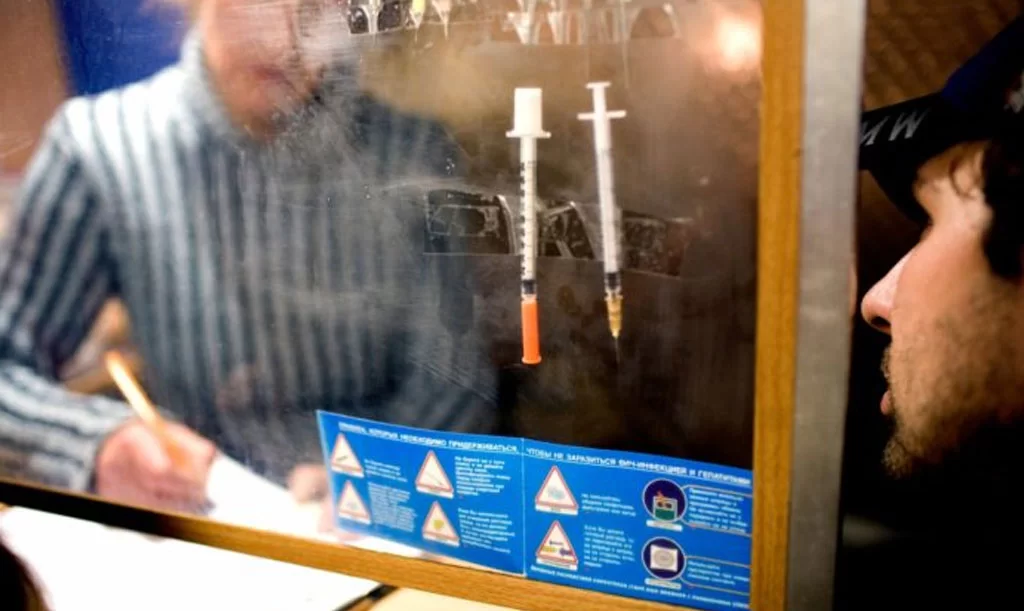
Portugal is a worldwide leader in embracing harm reduction to deal with addiction. The country decriminalized all drugs in 2001 and has since seen dramatic decreases in overdoses, the spread of HIV, and drug-related crimes. But harm reduction isn’t just legalization. If you’re unclear on the concept, according to the Harm Reduction Coalition, it is a belief in finding ways to eliminate as many of the negative consequences of drug use as possible for both individuals and societies. It is also a move to recognize and advocate for, the human rights of drug users.
As more and more jurisdictions explore legalization of drugs, needle exchanges, supervised injection sites, and creative ways to minimize the monetary and human costs of drug abuse, people seem to finally be waking up to the fact that incarceration, criminalization, and de-humanization of addicts is counter-productive in every way. We expect more people, countries, and courts to open their minds to finding more efficient, compassionate, and intelligent ways to deal with addiction. In 2018 the UN Human Rights Council declared human rights to be “central to the development and evaluation of any drug policy”, calling for a “comprehensive, balanced, and health-centered approach to drugs.” We would expect the momentum for dealing with addiction as a health issue, rather than prosecuting it as a crime, to grow exponentially in the coming year.
4) Involving the Family

Addiction clearly doesn’t just affect the addict, it touches the lives of everyone close to them. And treatment providers are finally starting to recognize the need to address the family as a crucial part of the rehabilitation process. While Al-Anon and Nar-Anon have been popular for years, evidence is beginning to emerge which illustrates how involving the family in recovery can have substantial benefits. Providers like Recovery Centers of America are implementing programs to contact families upon intake, brief them on what to expect as treatment begins, and facilitate family therapy sessions within the first week of treatment.
Particularly for young addicts, the family can be a source of strength and support, or a cause of stress, trauma, and anxiety. Offering tools and resources for family members to become actively involved in the recovery of their loved ones can make a substantial difference in addiction treatment outcomes. We expect to see increasing numbers of treatment centers offer more opportunities for families and friends to get involved in the process of healing!
5) CBT (cognitive behavioral therapy)

Cognitive Behavioral Therapy (CBT) is becoming increasingly popular in treating mental health disorders, and it can greatly improve treatment outcomes for the addicted. Unlike traditional psychotherapy, CBT is far more focused on solutions than delving into problems. Fundamentally, it pushes the patient to challenge distorted perceptions and patterns of thought, thus changing destructive patterns of behavior. This article from “Psychology Today” gives a quick outline of how the treatment works.
In addiction treatment, advocates of CBT would argue that harmful behaviors are the result of thoughts and emotions that are neither realistic or rational. These “automatic thoughts” are generally negative in people who suffer from depression and anxiety disorders, problems commonly co-occurring with addiction. CBT can help addicts to recognize and dismiss the false beliefs and insecurities which cause irrational negative thinking. It can also help patients improve communication skills, learn to regulate their moods, and deal with substance abuse triggers. CBT has been proven to help break toxic cycles of thought and behavior, and it can be a godsend for those suffering from addiction.
A New Path to Addiction Recovery...

As you can see, our understanding of addiction has grown a lot over the past few years. As we learn to view addiction as a health problem and increase our understanding of its impact on the brain, we are becoming better equipped to treat it effectively. At Iboga Tree Healing House, we are committed to fearlessly exploring every avenue that leads to effective addiction treatment, and we’re excited about each of these trends. We are also excited about the adjunct therapies like Kundalini Yoga, equine-assisted therapy, sound therapy, breathing, bodywork, that make up a robust, holistic, and long-term recovery plan. The benefits these can all offer to those seeking relief from addiction cannot be overstated.
6th August 2019
Honesty in Recovery: why it matters
Every major religion, spiritual teacher, elementary school teacher, and parent tells us not to lie. Honesty is a respected trait in every culture, and for good reason: building and maintaining trust is a fundamental cornerstone of healthy relationships and societies. It is especially important for those in recovery who are trying to build healthy lives from the rubble of addiction. Let’s take a look at why honesty is so important to the recovery process, and how to make honesty a part of your life today!
The BIG truth

Entering into recovery is an act of breathtaking honesty. After years of excuses, omissions and outright lies told to family members, bosses, and friends, you’re admitting that substance abuse has taken over your life. It is incredibly painful to admit that your choices and decisions have led you to powerlessness and loss of control when it comes to your addiction. But it is also profoundly freeing. You’re letting go of a dark and shameful secret and working to ensure that it never harms you again. “You’re only as sick as your secrets” is a fundamental tenet in 12 Step programs. It’s also a truth that can set you free. A commitment to sobriety goes hand in hand with a commitment to honesty!
Dishonesty: a lifestyle

Most addicts and alcoholics spend years lying to themselves, along with everyone else in their lives. Researchers have noted that lying is extremely common among people with addiction. Why? Lying, like the substance they’re dependent on, offers an escape from pain, unpleasantness, and reality itself. But like opioids or alcohol, the short bursts of relief they provide come with a terrible long-term cost. They trap the liar in a self-perpetuating cycle, where revealing the truth becomes riskier and scarier as time passes.
John Bradshaw, best-selling author of “Healing the Shame That Binds You” wrote that “I used to drink to solve the problems caused by drinking. The more I drank to relieve my shame-based loneliness and hurt, the more I felt ashamed.” Bradshaw felt that shame was a primary cause of addiction. The sense of shame that leads addicts to use also makes lying a way of life. And lies, shame, and substance abuse feed off of each other, trapping the addict in a downward spiral. When you enter recovery, it’s necessary to be mindful of the fact that you need to free yourself from dependence on dishonesty as well as dependence on a substance.
Breaking the cycle

By entering recovery, you’ve taken a stand. You’ve looked into the mirror and admitted to yourself that drugs or alcohol have been destroying your physical and mental health and that you’re ready to begin a new life. But along with dealing with withdrawal and cravings, it’s imperative that you develop the habit of honesty in every area of your life as well.
If we are being honest as treatment providers, we must admit that relapse is common for people in recovery from addiction. But a steadfast commitment to truthfulness can sharply reduce the risk of using again. A recent article in the “Yale Journal of Biology and Medicine” on preventing relapse identifies three stages common in those who begin using again: Emotional Relapse, Mental Relapse, and Physical Relapse.
In the first two stages of relapse, stages which occur before the addict begins using again, it is common to isolate oneself, avoid sharing in meetings (and going to meetings at all), minimize the consequences of past use, concoct schemes to better control future use, and start lying. The researchers at Yale have noted that many addicts are “reluctant to even mention thoughts of using because they are so embarrassed by them.” A commitment to honesty can help guide the addict through these turbulent times.
The Yale researchers concluded that thoughts of using while in recovery are completely normal. While treatments like iboga can dramatically reduce cravings, it is extremely unlikely that any addict will never think of using again throughout their lifetime. This is why it is essential that those in recovery talk to their therapists, their sponsors, and their peers fearlessly and honestly. Millions of people have normalized and developed coping skills for, their occasional cravings. These strategies allow them to acknowledge, deal with, and let go of these toxic thoughts and feelings quickly. Keeping them secret or denying their existence will only give them more control over you.
The path of honesty

The first step in developing honest habits is to admit that you have had a problem with lying. Next, we recommend that you find someone you can be completely honest with about every aspect of your addiction and recovery. This person could be a counselor, a sponsor, or a friend. Then, start keeping a journal. A journal will offer you the chance to reflect on all of your actions. If you tell a lie, reflect in the journal on why you did it. Think of how you could have behaved differently, and develop strategies for dealing with similar situations in a truthful manner. Through this, you can become aware of automatic and habituated thoughts and patterns of behavior that are leading you away from the truth. You can also explore the consequences of the lies you’ve told. Reflecting on the consequences of the trust you’ve broken can help you to reconcile with those you’ve hurt, and begin to repair your relationships. At Iboga Tree Healing House we have also seen the power of cognitive behavioural therapy (CBT) to overcome the behaviours that keep one mired in addiction and replace these behaviours with new, better ones which increase the quality of one’s life
There is power to be found in revealing one’s true self, living in truth, and forgiving oneself for the dishonest behaviours of the past. This is the foundation upon which a true healing process can begin. Returning to the lying and dishonest behaviours of addiction is a sure way to begin the downward spiral leading to relapse that anyone working to overcome an addiction should be seeking to avoid at all costs.
Realizing the painful consequences of past dishonesty can strengthen your commitment to your new way of life. By developing honest habits and learning to deal with shame, anxiety and awkward situations in positive, healthy ways, you’ll become a stronger and happier person. It’s not just the best policy, it’s the only policy for those looking to heal.
24th July 2019
Choosing an Iboga Treatment Center: 4 Key Things to Consider
You’ve probably heard about the immense potential iboga has shown for treating addiction. In case you haven’t, you can read about iboga’s uncanny ability to reduce withdrawal symptoms, minimize cravings, and reset brain function to pre-addiction levels here.
Iboga treatment is not something you should enter on a whim. In order to ensure that the treatment is right for you, that the iboga treatment center you have chosen is capable of meeting your needs, and, most importantly, that your health and safety are the paramount concerns of the people guiding you through this potentially risky treatment, you need to take the utmost care in choosing an Iboga treatment provider. Here’s our guide to choosing the right Iboga treatment facility.
1) Safety!

Iboga has shown immense potential, but using it comes with serious health risks. Although methadone has been proven to lead to fatalities more frequently than iboga, iboga use has indeed been fatal in some rare cases. Iboga can exacerbate pre-existing heart conditions, blood clots, kidney and liver problems, and psychological issues. However, the vast majority of iboga fatalities have resulted from self-administration and irresponsible or inexperienced treatment providers.
If you’re seriously considering iboga treatment, we would urge you to take a long look at the safety precautions employed by treatment providers. At Iboga Tree Healing House, we keep an ACLS certified medical doctor in-house, rather than a phone call or ambulance ride away. We have a one-to-one nurse to patient ratio, and we insist on a full medical history and full set of lab tests prior to treatment. We also monitor our clients with an EKG machine while they are under the influence of iboga. It is our firm belief that every iboga-related death has been preventable, and that with proper precautions, an experienced staff, and a focus on client safety, treatment facilities can eliminate all of the fatalities from iboga treatment.
2) What are your individual needs?

Every person seeking treatment is different, and every treatment center is different. Although this may seem trite, it’s a key consideration in choosing the right facility for you. Iboga is a powerful tool for overcoming addiction, but it isn’t a magic bullet or a cure-all. You will almost certainly need aftercare to overcome the issues and traumas that led you to addiction in the first place and those in your life that your affliction has caused. You’ll need to rebuild yourself and replace the toxic habits and patterns of thought and behavior addiction has entrenched with positive and healthy ones.
We offer a wide range of holistic treatments ranging from kundalini yoga and holotropic breathwork to equine therapy, and we are convinced of their effectiveness. We also recognize that they aren’t for everyone. You need to look for a facility that offers the tools you need to build a positive and healthy life. That could be a 12-Step Program, intensive psychotherapy, prolonged inpatient treatment, or something else entirely. Carefully consider your own needs, and what has and hasn’t worked in the past, before selecting a treatment center.
3) Value For Money 
Price is obviously a concern for many seeking treatment. But your primary goal here should be to find the right treatment center for you. Addiction is expensive, and pinching pennies to stay at a facility that doesn’t meet your needs will cost more in the long run. We’d recommend deciding on the resources, length of stay, and aftercare you need first, then choosing a facility that meets your needs at a reasonable price. The cheapest options are probably cheap for a reason, and when you’re putting your health and safety into someone else’s hands, it’s wise to make sure that they aren’t cutting corners.
Another great idea if you’re looking for a cost-effective treatment center is to look at the options available abroad. With high-end treatment centers in the US and UK charging upwards of $60,000 USD a month, value-conscious consumers are gravitating towards overseas clinics. Seeking treatment abroad can allow those in recovery to get more bang for their buck in terms of accommodation, ancillary treatments, and care. It can also offer a greater degree of privacy and relaxation. You’ll be in a positive, sunny environment far away from colleagues and family members who you’d prefer to keep your struggles from. Overseas options have the added benefit of providing distance from toxic influences and environments associated with stress and substance misuse.
4) Applicable Laws

Iboga is currently illegal in the US and UK, as well as a host of other jurisdictions in the “First World.” The Global Ibogaine Therapy Alliance has a handy map which illustrates where Iboga use is legal. If you’re looking to get clean, you probably don’t want to risk possible arrest and prosecution while you are at your most vulnerable. You will also want to choose a facility that won’t hesitate to get you the medical treatment you need if something goes wrong. Portugal is an excellent choice for pursuing iboga treatment because, while the treatment has yet to be officially approved for addiction, it is not illegal or subject to regulation.
Make It Happen!
You know what to do, it’s time to get it done! Reflect carefully and honestly on your needs, and look for facilities that are capable of meeting them. Make sure that every precaution will be taken to protect your health and keep you safe. Decide whether you’d like to be close to the support of family and friends, or if you’d be more comfortable making a fresh start in a new environment. When you’ve arrived at these decisions, it’s time to embark on a new life free from the struggles of addiction!
18th July 2019
Ibogaine Risks: Keeping The Iboga Journey Safe
Iboga therapy has been rapidly increasing in popularity as an alternative to conventional addiction treatments, such as the use of methadone. Iboga’s powerful, positive effects on the symptoms of withdrawal and cravings for various drugs have changed countless lives, sending many down the path to recovery. But like many powerful substances, its use comes with a number of potential side effects and risks. While we at Iboga Tree Healing House are passionate advocates for Iboga's use in the treatment of addiction, we are equally passionate about educating prospective users about ibogaine risks and the potential dangers that go hand in hand with its benefits, and ensuring that providers and users are forewarned and forearmed against any and all potentially harmful side-effects that could occur.
The Risks

The Global Ibogaine Therapy Alliance has a laundry list of potential side-effects and ibogaine risks, as well as medical conditions that can be exacerbated by Iboga use. They report that between 1990 and 2008, 19 deaths were associated with the ingestion of Iboga, which were “associated with a number of pre-existing conditions and factors that include pre-existing cardiac conditions and seizures resulting from acute withdrawal from alcohol or benzodiazepines” as well as mixing iboga with other “drugs of abuse.”
It is recommended that people with heart conditions, impaired kidney or liver function, certain psychological conditions, and those experiencing withdrawal from a certain of substances (such as methadone, benzos, alcohol, and others) should avoid using Iboga. Some studies have found that abnormally high doses of the drug may induce seizures, although in smaller doses it acts as an anti-convulsive.
Mitigating the Risks

Any responsible provider should exclude those with pre-existing heart conditions from iboga therapy. Of the 19 Iboga-related deaths which have occurred, six were determined to have resulted from cardiac arrest, and in all but one of those cases, the deceased had a pre-existing heart condition. The one cardiac arrest death which occurred in a user with a healthy heart was the result of self-administration of Iboga along with an unspecified “booster” which he had purchased on the internet.
There is debate on whether patients with HIV and certain psychiatric disorders should use iboga. The main reason offered for excluding these groups is a lack of research into whether iboga use will exacerbate the symptoms of disease. As there is no evidence that the treatment is harmful to patients with HIV, some treatment facilities offer iboga to those suffering from the virus, but at Iboga Tree Healing House we prefer to err on the side of caution, as the data on the ibogaine health risks under these conditions is not conclusive. For a full list of our inclusion and exclusion criteria, follow this link.
Contraindicated substances

Using iboga while drugs of abuse are in your system is extremely dangerous, and must be avoided. Iboga can intensify the effects of opiates, so it’s imperative that they must be completely out of your system before you enter treatment. The intensely reflective state, reduction of cravings, neurological effects, and sense of well-being that iboga can provide have helped many recovering from addiction to alcohol, but withdrawal from this substance must be completed before iboga can be safely administered. It is recommended that patients dealing with alcoholism complete a minimum of 7 days of medically supervised withdrawal, or they risk a host of side-effects including cardiomyopathy, delirium tremens, and seizures.
It should also be noted that iboga reduces substance users to a so-called “novice state.” This means that following treatment, a users tolerance to opioids and other drugs of abuse is dramatically lowered. While addicts clearly intend to stay sober forever, it’s important that they are aware of this in the event of a relapse, as their vulnerability to overdose will be far greater.
Finding a Safe Provider

If you’re dealing with a responsible iboga provider, they will ask you for a great deal of medical information to assess your ibogaine health risks. This “Psychedelic Times” article offers a detailed breakdown of what a clinic needs from you to provide for your safety. At Iboga Tree healing House we go even further, requiring our clients to take an EKG test, be free from stimulants (including coffee), undertake a comprehensive blood count and metabolic panel, and test liver and kidney function. We also check and monitor levels of serum electrolytes and thyroid function for patients over 45 years old.
We cannot over-stress this: if a clinic doesn’t ask you for a detailed medical and psychiatric history, run! This means that either they value your money far more than they value your safety, or that they are ignorant of the significant harm iboga can do if used irresponsibly.
The Iboga Tree Healing House Difference

In spite of all of these dangers, and in spite of the fact that iboga is frequently administered without adequate (and in some cases any) medical supervision, iboga remains safer than methadone! Of the 19 deaths temporally associated with Ibogaine use, 14 have provided adequate post-mortem data. Of those 14, 12 were associated with a pre-existing medical condition or the presence of other drugs of abuse. The other two occurred in situations without adequate medical supervision.
As we’ve written before, there are certain conditions under which iboga is not completely safe, but we feel that every single death resulting from its use has been avoidable. Because we have seen its immense potential to re-shape lives at risk, we have become advocates for educating the public about its risks, as well as its benefits. Irresponsible use has the potential to end lives, as well as making this promising tool for fighting the opioid epidemic away from multitudes who could use it to regain their health and well-being.
16th July 2019
The "Rat Park" Study: 40 years later
Psychologist Dr. Bruce Alexander published his groundbreaking “Rat Park” study just a hair over 40 years ago. This groundbreaking study changed the way the world thought about the nature of addiction completely. That’s why, a full 40 years after it was originally published, it’s still being discussed, celebrated, and criticized today - maybe more so now than ever before. What was Dr. Alexander’s “Rat Park” study, and why is it still generating debate as it reaches middle age?
What was "Rat Park"?

Since the 1930s, scientists had been using a device called the “Skinner Box”, essentially a small box with a light, a tube for food, and a tube with which rats could self-administer water mixed with various substances. Studies that used the Skinner Box reinforced what scientists already believed about addiction: that the inherent properties in intoxicating substances caused dependence. The Rat Park study upended this easy tautology. Dr. Alexander put his rats in a much larger space. They were given access to toys, exercise equipment, and other rats to fulfill their social and sexual needs. Alexander found that the rats who lived in a happy, communal environment were far less likely to become addicted to substances than were isolated rats.
A Digression

Why are all of these studies conducted on rats? One reason is that rats have a similar genome to humans. Human genes associated with disease generally have an equivalent in rat genomes. Another is that, like humans, rats are a social species who generally live in close proximity to others of their species and communicate with each other regularly. Other reasons include wide availability, size, fast reproductive rates, low cost, and ease of handling.
The Study

Alexander took 4 groups of rats. The first was isolated in Skinner Boxes. The second lived in rat park. The third was placed in isolation for the first half of the study and moved to Rat Park for the second half. The fourth group began in Rat Park and were moved to isolated cages halfway through. All of the rats were given the option of drinking tap water or water infused with a sweetened morphine solution.
The results showed that rats who were in a comfortable, social environment were far less likely to use, or become dependent on, morphine than isolated rats. The caged males drank 19x more morphine than the males in Rat Park. The rats of both sexes housed in Rat Park showed a strong preference for plain water. The most interesting group was the group moved from cages to the Rat Park. They “rejected the morphine solution when it was stronger, but as it became sweeter and more dilute, they began to drink almost as much as the rats that had lived in cages.” This led Alexander to conclude that the rats preferred the sweetened water, but didn’t want it to disrupt their normal social behavior.
Alexander felt that the results of his study disproved theories of drug-induced addiction. He felt that normal humans and animals could ignore, and even use, substances such as opiates without becoming addicted. He believed that addiction was caused by social isolation and environmental stress. Alexander’s pithy conclusion was “Addiction isn’t you- It’s the cage you live in.”
The Criticism

Asserting that drugs weren’t the central problem in addiction was an extremely controversial statement in 1980, as the War on Drugs was at its height. The US government was spending trillions of dollars enforcing draconian drug laws and broadcasting ads like this one. The first two science publications that Alexander took his results to, “Science” and “Nature,” both rejected the study, but Alexander’s results were accepted and published by the journal “Pharmacology Biochemistry and Behavior.”
Critics of the study have pointed to flaws in methodology and implementation. A malfunctioning electronic device lost 8 days of data on the amounts of liquid the rats consumed. The isolated rats were denied proximity to rats of the opposite sex, and the rats in Rat Park had pups during the study (the effects of pregnancy and childbirth could have influenced the study, and Alexander makes no mention of whether the pups were left in the park or not). Dr. Sam Snodgrass, a Director of the substance abuse support organization “Broken No More”, argues that “You can’t do this. You can’t have one group of subjects mating and with pups and compare it to a group that doesn’t engage in these behaviors and say that the difference between the two groups is caused by environmental differences.”
A new understanding

The study, which was largely dismissed when published, surged into the limelight in the 1990s, as what Alexander referred to as “The Myth of the Demon Drug” fell out of favor, and increasing numbers of doctors, journalists, and scientists began to explore the nature of addiction with open minds. A 1996 study attempted to replicate the experiment, with mixed results. Meanwhile, Dr. Gabor Mate brought public attention to the Rat Park study and statistics from the Vietnam War, which showed that soldiers in combat zones used 20x more heroin than they did pre and post-deployment. Johann Hari’s influential Ted Talk on addiction brought even more attention to the study. It even inspired a re-telling in comic book form! Meanwhile, pieces like this one in “Psychology Today” argue that the study promotes an unrealistic and irresponsibly simplistic view of addiction.
The study remains a hot-button topic for anyone concerned with addiction. It is now controversial because it appears to challenge the “disease model” of addiction, which focuses on genetic and neurological factors, rather than emphasizing the importance of social and psychological factors. Regardless of whether Alexander’s experiment was flawed, it has inspired more thought, research, debate, and insight into the nature of addiction than almost any other experiment. Perhaps most importantly, it has also shown us the importance of emphasizing social re-integration and psychological health in the treatment of addiction.
15th July 2019
Freedom in forgiveness: why forgiving yourself and others is essential
During our years of working in recovery, we’ve noticed a simple step in the process of becoming healthy and whole once again. At Iboga Tree Healing House, we’ve seen the power of forgiveness transform lives and free countless individuals from the pain and bitterness of the past. Today we’ll take a deeper look at a wonderful word that has brought light into the lives of those who are strong enough to put the past behind them.

When we think of forgiveness, we usually think of ourselves forgiving others. We let someone’s bad behavior slide, or accept the flaws of a loved one. Forgiveness can mean a lot more than that. It is one of life’s true blessings. Holding onto and nursing all of the wrongs done to us can have a toxic effect on our physical and mental health. Think of your friends, family, and acquaintances. Now think of the person you know who holds grudges the longest, or the person with the largest list of grievances. Ask yourself, is that the person I would like to be?
“When you forgive, you in no way change the past- but you sure do change the future!”
-Radio Host Brad Meltzer
Forgiveness doesn’t mean forgetting all of your past traumas, and all of the transgressions committed against you. It doesn’t mean that the hurt you have suffered will disappear, leaving you whole and unblemished. As Sarah Montana notes in this powerful Ted Talk, which recounts her journey toward forgiving the man who killed her mother and brother, forgiveness isn’t a shortcut to healing. It’s a path to freedom. It means that you stop telling yourself the same painful story over and over again. You assess the damage done to you (not to others) and let it go. Many people think that withholding forgiveness is a way to punish those who have transgressed against them, but in reality, they are punishing themselves: refusing to move on from a painful memory, and wallowing in it rather than climbing out of the muck.

If you have lived with addiction, embracing forgiveness is a necessary step for moving on with your life. It will help to set you free from the anguish and trauma that caused you to lean so heavily on drugs and alcohol. But more importantly, it will help you learn to live with yourself. In recovery, it’s time to admit that you have not been your best self for the past months, years or even decades. You haven’t been the person you want to see when you look in the mirror and examine the choices you’ve made. What’s truly important now is not who you have been, but who you will become.
We would strongly recommend that you examine your choices and actions before and during addiction. Identify the people you’ve wronged, the pain you’ve caused, and the things that cause you shame and regret. If it’s possible, find a way to make amends to the people you’ve hurt, and do so, without conditions, justifications, or expectations. Ask them to forgive you, don’t try to persuade them.
If it isn’t possible to make personal amends, deal with your desire for forgiveness in another way. Pour your guilt and repentance into a letter you can’t send, make a pledge to do no more harm, donate to a charity the aggrieved person would care about, or perform a random act of kindness. The intention behind the act will help you to move on.
In forgiving, we recognize a sense of inherent worth in others that exists whether or not it is always reflected in behavior. You need to acknowledge your own inherent worth, or risk sliding into self-loathing, a mental prison which is often accompanied by the self-destructive behavior you are attempting to break free of. Self-compassion is a necessary component of recovery and a cornerstone of good mental health.
“Forgiveness is like this: a room can be dank because you have closed the windows, you’ve closed the curtains. But the sun is shining outside, and the air is fresh outside. In order to get that fresh air, you have to get up and open the window and draw the curtains apart.”
-Archbishop Desmond Tutu
In order to forgive, it’s necessary to cultivate the mental strength to open that window. This wonderful article by Robert Enright outlines some key elements for building the mental muscles that will make forgiveness possible in his book, “8 Keys to Forgiveness.”
Forgiveness is the embodiment of empathy, compassion, tolerance, and hope. We recommend becoming fit for forgiveness to anyone trapped in the dark, dank room of addiction.
22nd May 2019
The Opioid Epidemic: Information for Parents
Back in the late 1990s, people began using prescription and non-prescription opioid drugs with increasing frequency. Throughout the past few decades, these potent and dangerous painkillers have become more popular globally, and have caused a massive spike in overdose deaths around the world. In 1999, 4000 Americans died from overdose deaths. By 2017 that number had ballooned to 72000, and over 2/3s of overdose deaths that year were related to opioid use. The opioid epidemic has seen drug overdoses become the leading cause of death for Americans under the age of 50. Here’s what parents need to know about this horrific threat to their children’s well-being...
Opioids: what are they?
Opioids are a class of moderately to extremely strong painkillers that include oxycodone (marketed as OxyContin and Percocet), hydrocodone (Vicodin and Norco), and fentanyl, which is synthesized to act as an opiate, similar to morphine and heroin. According to WebMd, opioids work by “binding to opioid receptors in the brain, spinal cord, and other areas of the body. They reduce the sending of pain messages to the brain and reduce feelings of pain. Opioids are used to treat moderate to severe pain that may not respond well to other pain medications.” Because this class of drug is extremely potent and widely available, opioids have become popular both as a medical treatment and as a recreational drug.
How did the opioid epidemic get started?
Because of morphine abuse in the late 1800s and early 1900s, doctors were initially reluctant to prescribe opioids, and their use in medicine was quite rare until the 1980s. In 1980, an article in the New England Journal of Medicine titled “Addiction Rare in Patients Treated With Narcotics” generated a great deal of attention, and, coupled with lobbying and promotion from the pharmaceutical industry, convinced doctors that opioids could be safely prescribed. In 2017, the NEJM published a rebuttal of the article, stating that the “conclusions were based on hospitalized patients only, and not on patients taking the drugs after they were sent home.” Meanwhile, the study’s author, Dr. Herschel Jick has stated that he never intended to justify widespread opioid use.
Is the opioid epidemic happening only in the USA?
While 80% of global opioid use occurs in the USA, the opioid crisis has spread across the globe, and young people are at a higher risk than others. In Europe, Canada and Australia, prescription drug abuse rates among teenagers are similar to the USA. Studies in Lebanon, China and Saudi Arabia have found that 1 in 10 teenagers had used painkillers for non-medical purposes, and statistics from Europe show that prescription opioids account for 3/4s of overdose deaths among those aged 15 to 39. Meanwhile, in the UK, 3756 people died from drug poisoning in 2017, the highest number on record. Fears exist that the opioid crisis could grow into a global pandemic.
How does the opioid epidemic compare to previous drug scares?
Sadly, the answer to this question is absolutely yes. Opioids have a sedative effect on the parts of the brain which regulate breathing, which causes respiratory depression, respiratory failure, and far too often, death. Mike Stobbe, a medical writer for the Associated Press, writes that “there were fewer than 3,000 overdose deaths in 1979, when a heroin epidemic was raging in U.S. cities. There were fewer than 5,000 recorded in 1988, around the height of the crack epidemic. More than 64,000 Americans died from drug overdoses last year [2016], according to the U.S. Centers for Disease Control and Prevention.”
What is fentanyl?
Perhaps the most terrifying part of this whole horrorshow is fentanyl, a new synthetic opioid painkiller that is 50-100 times stronger than morphine, and 30-50 times more potent than heroin. Pure white, odorless and scentless, fentanyl can be lethal in doses of just 2 milligrams! The drug is so potent that police and first responders have overdosed just from touching it or inhaling small amounts. It’s estimated that $800 million worth of fentanyl pills have been shipped to the US from China over the past two years, and AP reporters recently found Chinese manufacturers ready and willing to ship carfentanyl, an elephant tranquilizer so powerful that it has been labeled a chemical weapon.
Deaths from fentanyl have increased by 540% since 2015, and they account for the largest number of opioid overdose deaths. Heroin, cocaine, and other drugs often contain fentanyl, and accidental overdose deaths caused by unknowing consumption of fentanyl are becoming more common. The deaths of Prince and Mac Miller were both fentanyl-related. A US Attorney in Ohio, a region hard hit by the opioid crisis, recently warned that “One of the truly terrifying things is the pills are pressed and dyed to look like oxycodone. If you are using oxycodone and take fentanyl not knowing it is fentanyl, that is an overdose waiting to happen. Each of those pills is a potential overdose death.” The American DEA claims that a kilogram of fentanyl can be bought in China for $3,000 to $5,000, then smuggled into the United States to generate over $1.5 million. The profitability of this drug leads traffickers to adulterate other drugs with fentanyl without the knowledge of the drug user.
What can we do?
While various governments have declared states of emergency and vowed to take measures to address this crisis, drug users and their families can’t afford to wait on legislative solutions. Opioid addiction comes with a ghastly collection of risks, and we would urge anyone suffering from it to look for immediate detox and treatment. Iboga treatment has been proven to be very effective for many addicts who abuse oxycodone and other members of the opioid family of drugs, eliminating many of the withdrawal symptoms and cravings related to opioid dependence.
Abusing opioids is a game of Russian Roulette. It’s time to stop playing and get the help you need!

