-
From Mexico to Portugal: Ibogaine Therapy for Veterans with PTSD and TBI After In Waves and War
21st November 2025
21st November 2025
From Mexico to Portugal: Ibogaine Therapy for Veterans with PTSD and TBI After In Waves and War
When Netflix released “In Waves and War”, many people in the ibogaine world pressed play with a tight chest. Trauma clinicians, ibogaine providers, veterans and their families were allwondering how this new “In Waves and War” ibogaine documentary would shape the wider conversation.
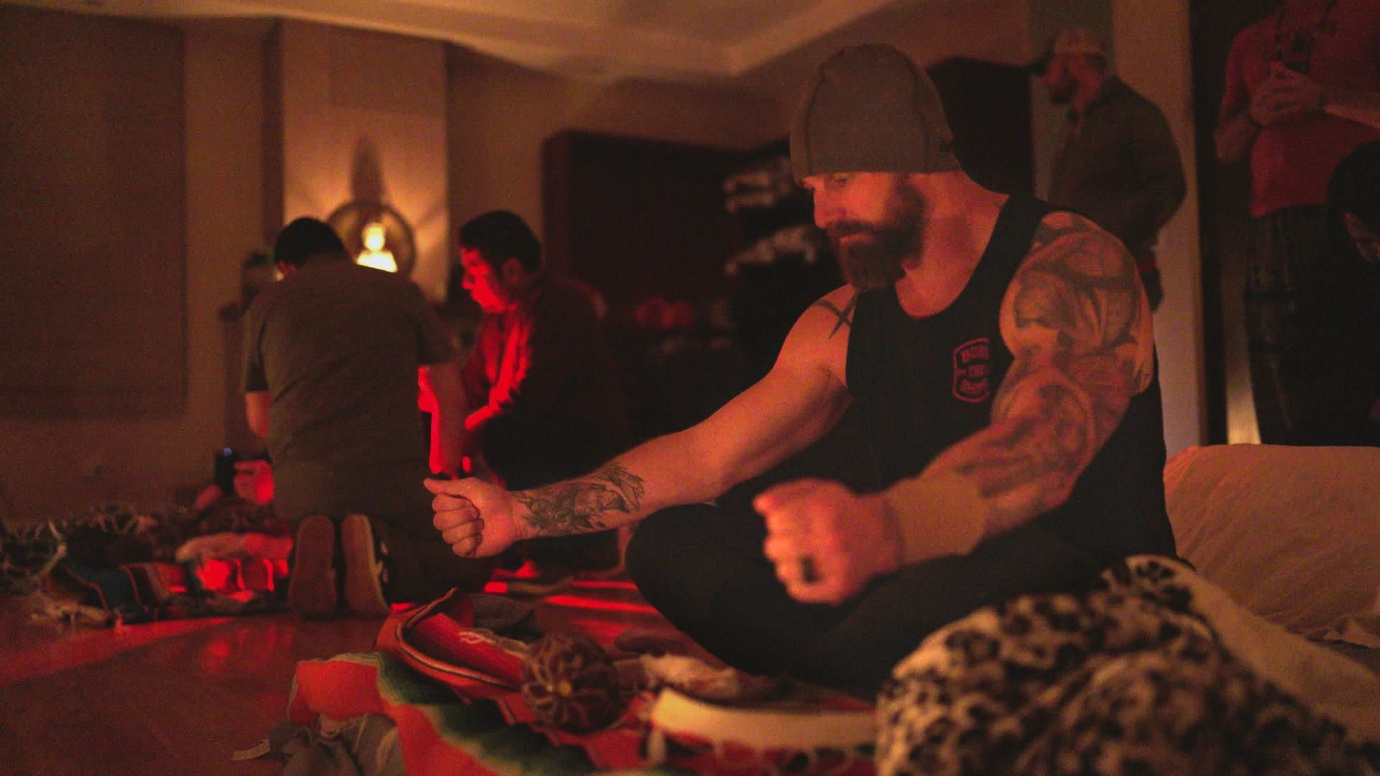
The film follows former U.S. Navy SEALs living with severe post-traumatic stress, depression and mild traumatic brain injury as they travel to a clinic in Mexico for ibogaine therapy for veterans with PTSD and TBI, with a Stanford research team tracking their progress over time.
It is powerful, emotional viewing. At times it is deeply uncomfortable. It also performs several crucial functions for this field:
- It acknowledges the hidden psychological and neurological wounds of war.
- It shows that looking beyond the conventional system for help can be an act of sanity rather than desperation.
- It brings ibogaine therapy for veterans, long talked about quietly in special forces circles, firmly into mainstream public debate.
At the heart of the documentary is Ambio Life Sciences, the Mexican clinic where many of the SEALs receive treatment. Ambio has collaborated with researchers at Stanford on work published in Nature Medicine, reporting significant shifts in mood and functioning for veterans with traumatic brain injury who received ibogaine treatment in Mexico.
None of that needs dismantling. The courage of the men who went through the protocol, and the work of teams like Ambio, has helped move the whole field forward.
Yet a film with this level of emotional impact naturally leaves many viewers with unresolved questions, such as:
- Is ibogaine really a single, decisive solution?
- Does it mean travelling only to Mexico?
- How does safety work in practice, medically and physically?
- And what if you are living with PTSD or mTBI and do not feel able to travel to a
place you associate with cartel violence?
At Iboga Tree Healing House, our ibogaine treatment centre in Portugal, we would like to gently widen the frame and explain how our European context fits into this emerging picture.
PTSD, mTBI And The War That Does Not End At Home
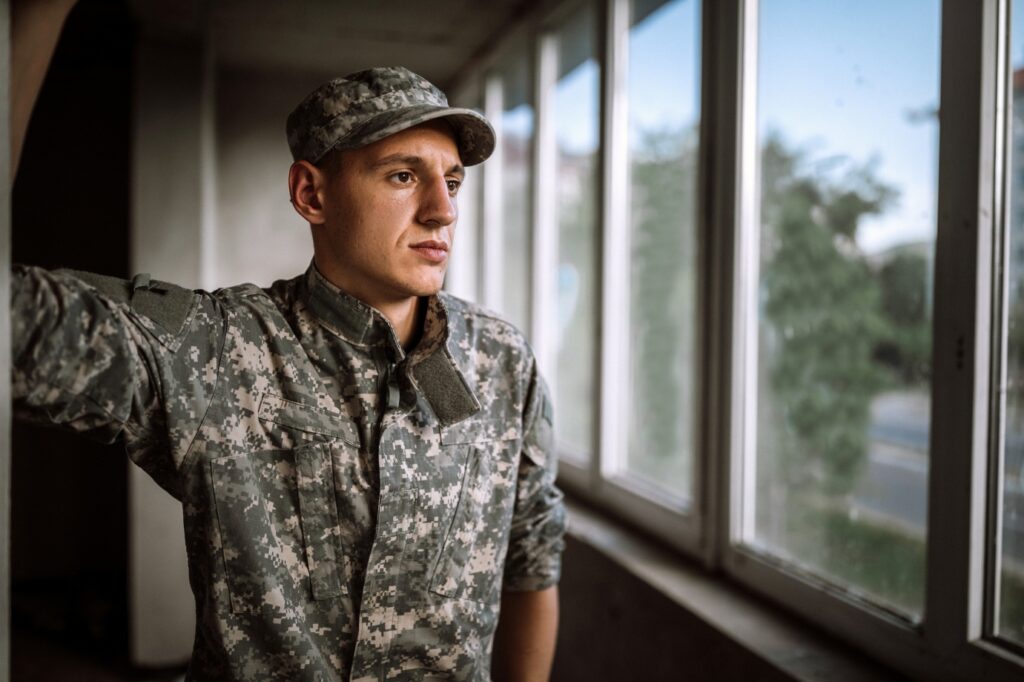
One of the most important truths the documentary captures is that these veterans are not experiencing just one problem. They are living with layers of overlapping injuries.
On the psychological side, many live with post-traumatic stress: intrusive memories, distressing dreams, startle responses, emotional shutdown and persistent alertness. On the neurological side, mild traumatic brain injury can bring headaches, foggy thinking, dizziness, disrupted sleep and volatile moods.
In former service personnel, PTSD and mTBI almost always intermingle. Data from the U.S. Department of Veterans Affairs and organisations such as Wounded Warrior Project show that:
- Symptoms of mild traumatic brain injury and post-traumatic stress overlap to the point that they are often misidentified or overlooked.
- Head trauma increases the likelihood of later PTSD and depressive symptoms.
Relying solely on traditional talking therapies is therefore often insufficient, because the person in front of you may be living with several overlapping burdens at once: physical injury to the brain; profound psychological and moral trauma arising from events experienced or actions taken; chronically disturbed sleep and wider autonomic nervous system dysregulation; and substance use layered on top as a hard-won but ultimately unsustainable coping strategy.
In the film, one veteran’s wife describes how her husband went through the full Veterans Affairs pathway: sleep studies, scans, psychological assessments, multiple prescriptions “for energy, for nightmares, for depression, for anxiety”. He followed the recommendations, attended sessions, took the medication, and still deteriorated.
Later in the documentary we see him describing his ibogaine session. He speaks about an intense cascade of images from childhood and combat, almost like cards flipping rapidly in front of his mind’s eye.
From that vantage point he realises that many events he has carried as personal failure were never his fault, and with that recognition comes a sensation that the “weight” on his system is lifting. He likens it to a kind of mental “defrag”, where armour and defensive walls dissolve and a softer, more open self re-emerges. Afterward he tells his wife that friends who are still suffering “need to know about this”.
Another veteran explains that the chronic tension he had lived with for more than a decade, along with constant headaches, vanished after his treatment, describing it as if his brain were “regenerating”.
A third reflects that ibogaine helped him link early childhood pain with his decision to become a Navy SEAL. He recognises that the role he chose was partly about becoming someone dangerous so that he would never again feel like a victim. In his words, he realises that he has long been “even more afraid of life than death”.
These accounts point to something that makes ibogaine especially intriguing in trauma work: it appears to engage both the neurological injury and the personal narrative, making ibogaine for traumatic brain injury and PTSD a genuinely compelling avenue for careful investigation.
Ibogaine, Ambio And The Idea Of A Reset
“In Waves and War” sits inside a much broader surge of attention around this medicine.
Stanford Medicine has reported that ibogaine-assisted therapy for special operations veterans delivered with intensive medical supervision produced marked improvements in depression, anxiety and day-to-day functioning among special operations veterans with traumatic brain injury.
Ambio Life Sciences, the clinic featured in the film, has been instrumental in bringing ibogaine into a more structured, physician-led environment.
The combination of rigorous research and real-world patient stories is understandably compelling.
Across the field, many of us are no longer debating whether ibogaine therapy for PTSD and TBI can be helpful for some people. The more urgent debate has become how to offer it in ways that are as safe, ethical and holistic as possible.
At Iboga Tree Healing House, our centre for ibogaine treatment in Europe, we are grateful for the role clinics like Ambio have played in advancing the science. Our model is different, though not adversarial.
What The Documentary Leaves Off-Screen
Any ninety-minute film has to simplify. Several reviewers have already noted that “In Waves and War” leans heavily into a “miracle protocol” storyline, while devoting less time to long- term integration or the underlying neuroscience.
Most viewers never see:
- The months of psychological and medical preparation that truly trauma-informed work often requires.
- The long integration arc that follows a major “reset”: rebuilding relationships, identity, work and daily habits.
- The importance of ongoing nervous-system regulation, especially for people with mTBI, through sleep hygiene, diet, breathwork and movement.
- The reality that not everyone experiences a dramatic shift after a single dose.
These are precisely the spaces where approaches diverge most significantly.
It is never only a question of which medicine is taken. The surrounding “container” matters at least as much, whether you attend a trauma-informed ibogaine clinic or a more conventional treatment programme.
Mexico, Safety And An Already Overloaded Nervous System
The documentary shows the SEALs travelling to Mexico because ibogaine remains illegal in the United States.
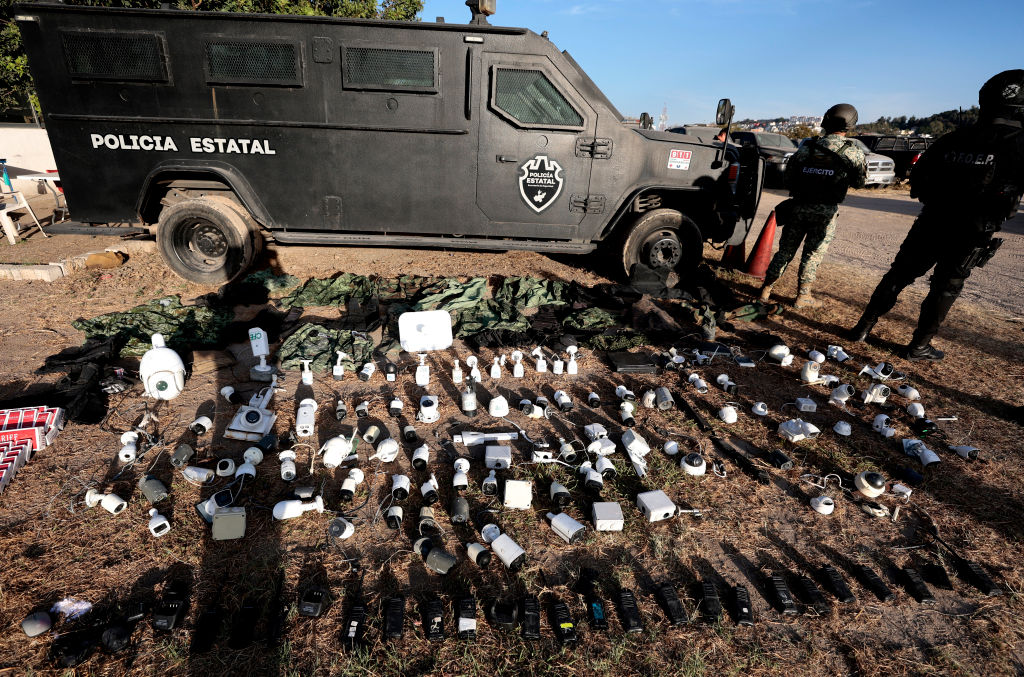
For some people this presents no significant barrier. For others, particularly those already living with constant alertness, nightmares and fear, the idea of flying to a country frequently associated in news reports with cartel violence can feel overwhelming.
A few contextual points are worth naming:
- The U.S. State Department currently advises travellers to exercise increased caution in Mexico due to crime, with some states under “reconsider travel” or “do not travel” notices linked to kidnapping and cartel activity.
- News outlets have reported incidents of U.S. citizens being abducted or caught in deadly attacks near the border, such as the 2023 kidnapping of four Americans in Matamoros.
- Social media has also circulated images of alleged “narco-banners” warning Americans away from certain resort areas, such as Los Cabos, although local authorities have disputed how authentic or representative these images are.
None of this means that Mexico is uniformly unsafe, or that reputable clinics such as Ambio do not take client security extremely seriously. They do. However, for someone already living with PTSD, the perceived threat can be almost as activating as an actual threat.
For some veterans and first responders, the combination of long-haul flights, headlines about cartels, armed checkpoints and visible police presence simply adds up to more strain than their nervous system can safely carry at this point.
In those cases, geography and atmosphere genuinely matter, and alternatives to Mexico-based ibogaine clinics become very relevant.
An Alternative In Europe: Iboga Tree Healing House In Portugal
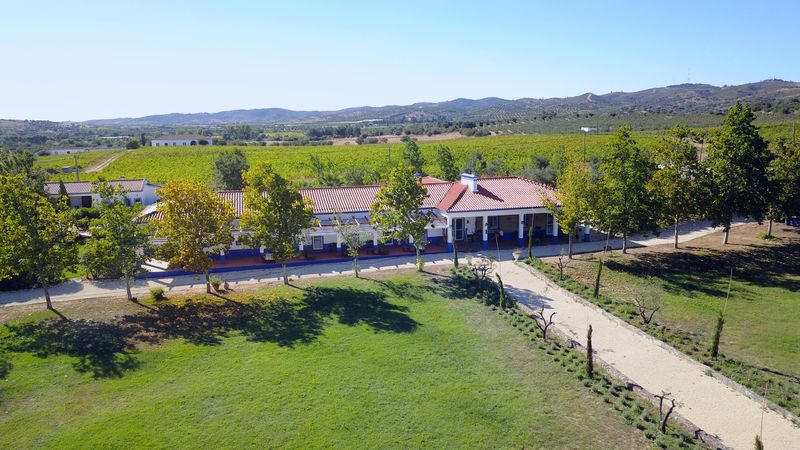
While “In Waves and War” quite naturally focuses on ibogaine treatment in Mexico, it is not the only viable path. There are options for ibogaine therapy for veterans with PTSD and TBI and ibogaine treatment in Europe as well, allowing veterans and their families to weigh up ibogaine treatment Mexico vs Europe in terms of safety and fit.
Iboga Tree Healing House, an ibogaine clinic in Portugal, has been working with PTSD, complex trauma and addiction since 2016, developing programmes specifically designed to support people with mild traumatic brain injury alongside psychological trauma; all within a European Union setting that is far from cartel territories and border conflicts, in a country consistently ranked as one of the safest in Europe.
Our model differs from many high-volume, more clinical centres in several key ways.
We work with small groups rather than large cohorts, so each guest is genuinely known rather than simply processed. Ibogaine treatment takes place in private bedrooms rather than ward-style spaces, allowing people with TBI to lie in darkness, reduce sensory input and move at their own pace.
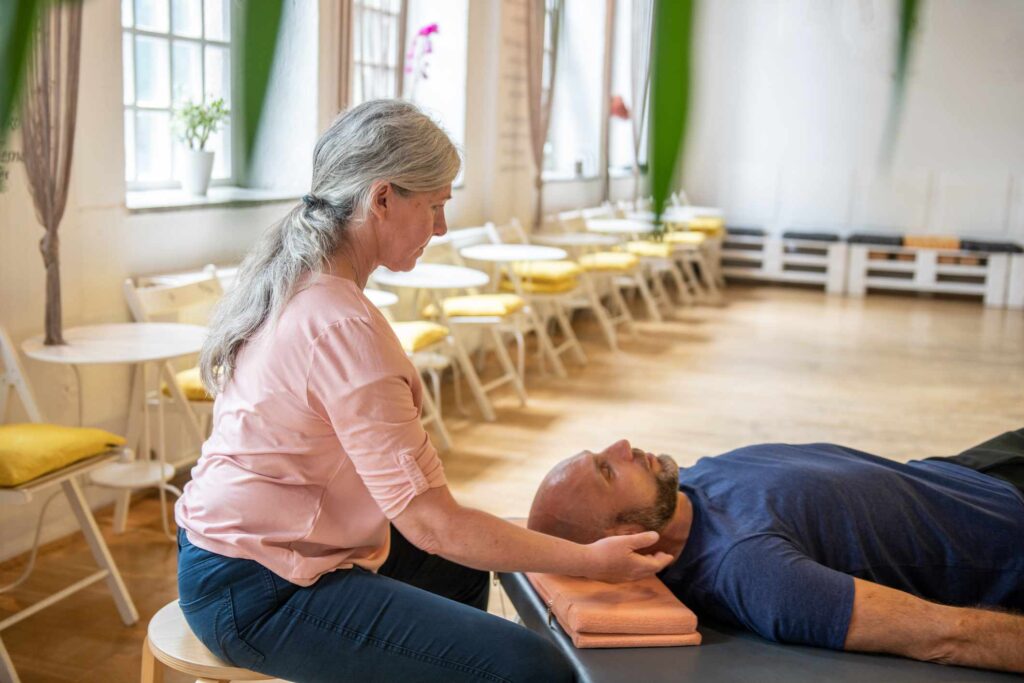
Our programmes take a nervous-system-first ibogaine treatment approach that includes sleep support, nutrition, somatic work, breathwork and gentle movement alongside the medicine itself as part of a holistic ibogaine treatment with integration model. Preparation and integration are delivered by trauma-informed practitioners over time, not confined to a brief conversation before and after dosing.
Because we are not bound to a single research protocol, we can adapt to the person in front of us: their medical history, trauma story, family situation and intentions for treatment.
At Iboga Tree Healing House, ibogaine is not the only hero on stage, but one powerful component inside a wider healing architecture, in a quiet ibogaine retreat Portugal setting.
Ambio And Iboga Tree Healing House: Different Tools For Different People
It is easy, particularly in online spaces, to reduce this to a competition: “Which is better, Ambio or Iboga Tree Healing House?”
That is not how we see it.
Ambio has done important work in creating a structured, medically anchored protocol with strong research partnerships, especially for Navy SEALs and other special operations veterans.
At Iboga Tree Healing House, we have spent close to a decade evolving a research-led but also smaller-scale, holistic boutique model for ibogaine treatment for PTSD and mTBI, as well as addiction, in a European setting.
For some people, a large, U.S.-connected, more clinical approach will be the right fit for ibogaine therapy for veterans.
For others, the right fit is a quieter, holistic, EU-based retreat where they can step away from their public identity, receive extensive preparation and aftercare, experience private in-room ibogaine treatment, and walk through green Portuguese valleys rather than past armed border guards.
What matters most is that you have options, and that your choice is grounded in safety, personal fit and values rather than just the emotional impact of a beautifully shot film.
If “In Waves And War” Felt Uncomfortably Familiar
If you watched the film and felt that horrible recognition (the numbness, the bursts of rage, the bone-deep exhaustion or the sense that your brain “has not worked properly since the blast”) there are two things it is important to hear.
First, you are not imagining it. The overlap between PTSD and mild traumatic brain injury in veterans is very real, and it is finally being taken seriously in both research and clinical practice.
Second, ibogaine therapy for PTSD is promising, but it is not the only option in the wider landscape of psychedelic therapy for veterans. Evidence-based trauma treatments, intensive outpatient programmes and other modalities can also be powerful routes towards relief and reconnection.
If you feel drawn towards this kind of work, it may make sense to carefully research programmes such as Iboga Tree Healing House and other trauma-informed services, and to see what genuinely suits your body, history and circumstances.
“In Waves and War” has opened a door. Our hope is that more and more people step through it thoughtfully, with adequate support and solid information, whatever path they ultimately choose.

