-
A Renewed Call to Reevaluate Ibogaine in the US
16th January 2025
16th January 2025
A Renewed Call to Reevaluate Ibogaine in the US
A Renewed Call to Reevaluate Ibogaine in the US
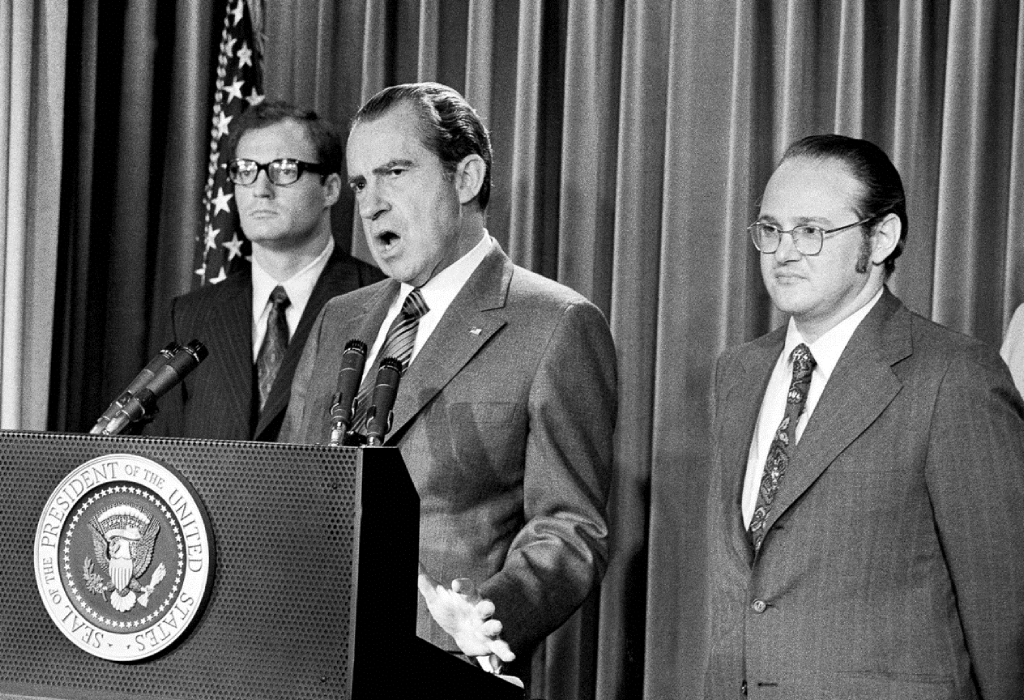
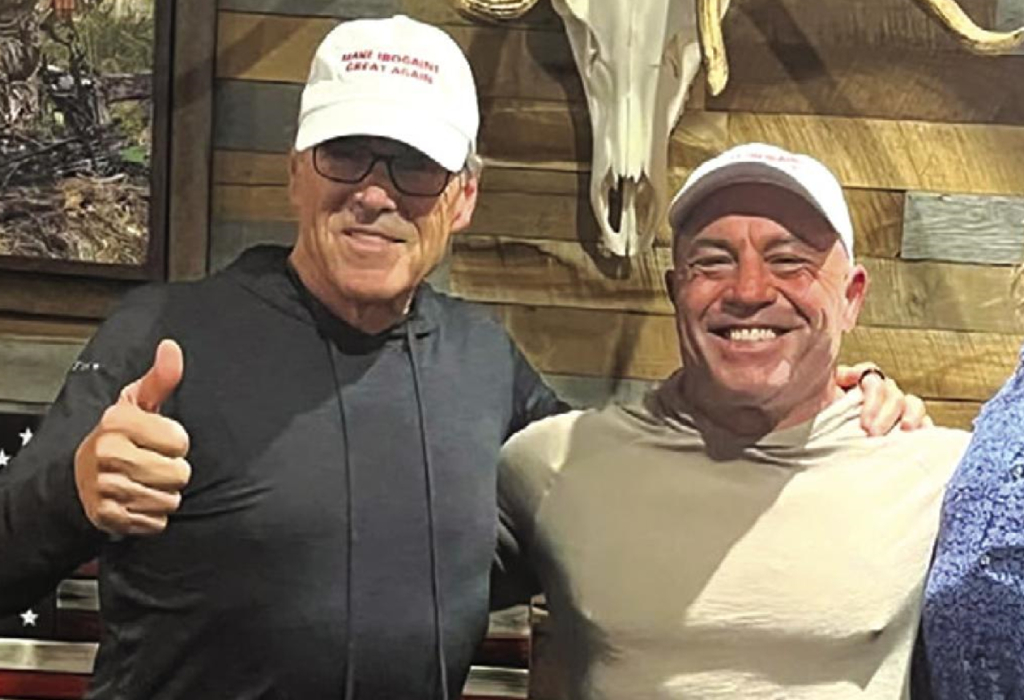
The discourse surrounding ibogaine and psychedelics in general continues to evolve, with a recent Joe Rogan podcast sparking a renewed call to reevaluate ibogaine in the US and its immense potential as a healing agent. At Iboga Tree Healing House, we’ve consistently championed reforms and responsible regulation of ibogaine. While technically classified as an oneirogen—a substance inducing dream-like states—ibogaine aligns with the medicinal and therapeutic value of other psychedelics like ayahuasca, psilocybin, and 5-MeO-DMT. Sadly, it is down to the outdated legislation in the US which still to this day undermines the potential for transformative healing that these substances offer.
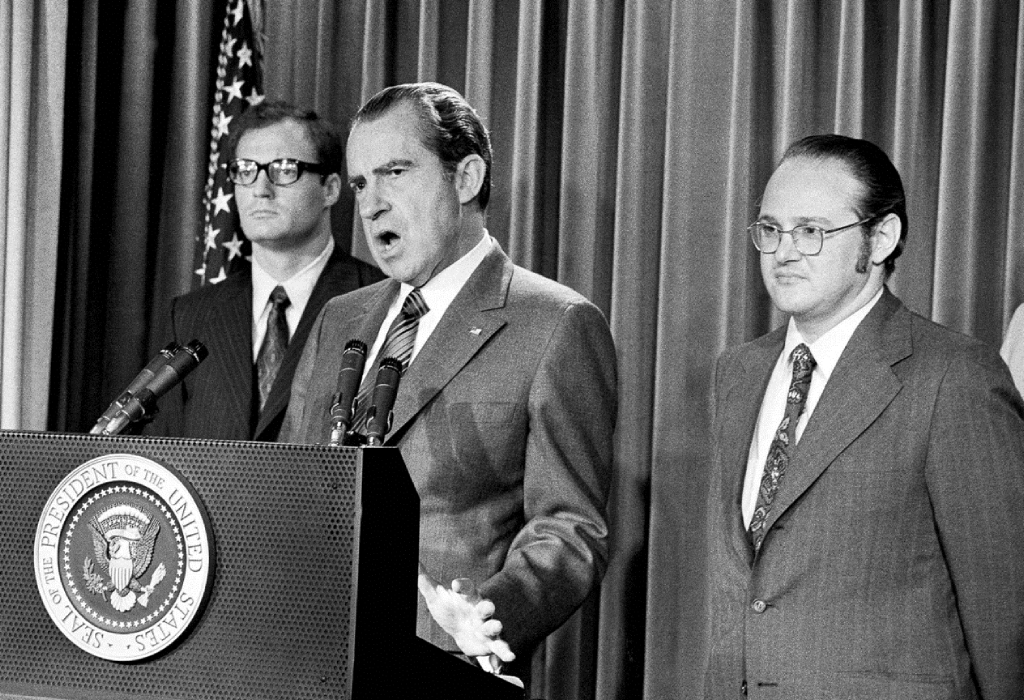
To understand why ibogaine remains criminalized, we must revisit pivotal moments in U.S. history, particularly during the Nixon administration (1969–1974). This era shaped drug policy and its interplay with American foreign policy, such as the Vietnam War, and the countercultural movements challenging societal norms.
Nixon’s War on Drugs: Policy Driven by Control
In the Joe Rogan podcast, the War on Drugs initiated by President Richard Nixon in 1971 is scrutinized, with Rogan explaining how this campaign was less about concerns over the health of Americans, and more about consolidating Nixon’s political power. Substances like ibogaine and classic psychedelics were designated Schedule I drugs, which meant they were labeled as having "no medicinal value" and high abuse potential—assertions lacking scientific basis. This bizarre classification primarily served to marginalize dissenting groups, such as anti-war protesters and Black communities.
John Ehrlichman, one of Nixon’s top aides, candidly admitted in a 1994 interview:
"We knew we couldn’t make it illegal to be either against the war or Black, but by getting the public to associate the hippies with marijuana and the Blacks with heroin, and then criminalizing both heavily, we could disrupt those communities."
This confession underscores how policies like the War on Drugs prioritized political agendas over public health. The fact that psychedelics, including LSD, psilocybin, ayahuasca, 5-MeO-DMT—all of which have immense therapeutic value in the treatment of PTSD, depression, emotional traumas, substance and behavioural addictions—are still to this day classified as Schedule I substances makes it more than time for a renewed call to reevaluate ibogaine in the US.
Their prohibition halted groundbreaking therapeutic research and applications in mental health and addiction treatment that had gained momentum in the mid-20th century, but is resisting clear evidence of ibogaine’s effectiveness in treating not only addiction, but also PTSD, depression, and neurodegenerative conditions such as Parkinson’s disease and Multiple Sclerosis.
Suppressed Research and Its Consequences
Before the Controlled Substances Act of 1970 relegated these compounds to Schedule I, researchers were exploring classic psychedelics for their therapeutic potential. LSD showed promise in treating depression and alcoholism, while psilocybin alleviated anxiety in terminally ill patients.
Ibogaine stood out for its effectiveness in addressing opioid addiction. Researcher Howard Lotsof documented how it alleviated withdrawal symptoms and reduced cravings while providing psychological insights. Despite such evidence, ibogaine’s classification as a Schedule I drug disregarded its potential, stalling legitimate clinical research and trials.
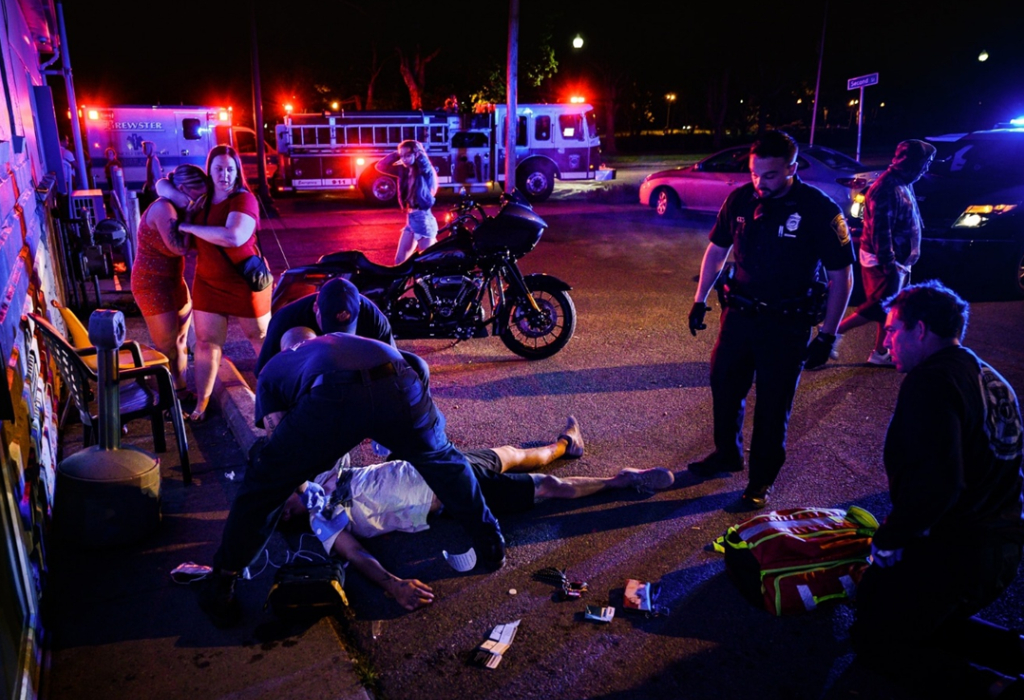
With the current opioid crisis in the US, it does indeed seem paramount to heed the call to reevaluate ibogaine in the US, not only from a legal standpoint, but from a medical one also.
Why Classic Psychedelics Have Therapeutic Applications
Classic psychedelics such as ayahuasca, psilocybin, and 5-MeO-DMT have garnered significant attention for their potential therapeutic applications in treating emotional trauma, depression, PTSD, addiction, and other mental health conditions. Each of these substances offers distinct benefits:
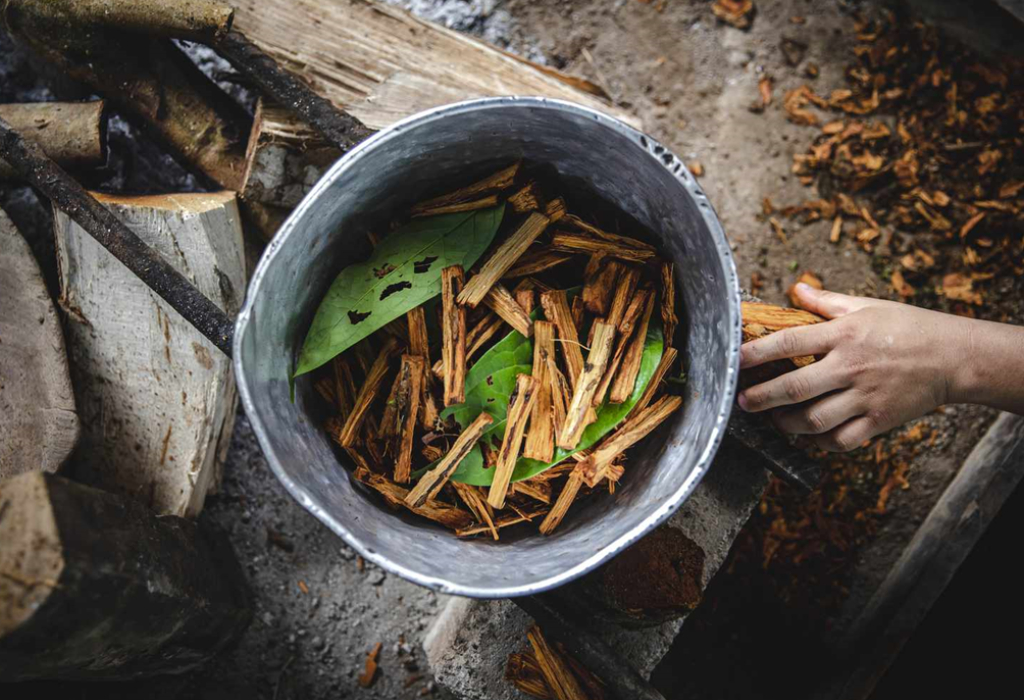
Ayahuasca: This traditional Amazonian brew combines the leaves of Psychotria viridis, containing DMT, and the vine Banisteriopsis caapi, which includes monoamine oxidase inhibitors (MAOIs). Ayahuasca has been shown to activate brain regions associated with emotional processing and memory, facilitating the confrontation of past traumas and the release of emotional blockages. Studies suggest that its therapeutic properties may be due to this activation, enhancing self-acceptance and allowing safe exposure to emotional events.
Psilocybin: Found in certain species of mushrooms, psilocybin is known for its efficacy in treating depression and anxiety. Research indicates that psilocybin-assisted therapy can lead to significant reductions in depressive symptoms, with effects comparable to traditional antidepressants. Additionally, psilocybin has been associated with improved emotional processing, increased psychological flexibility, and enhanced well-being.
5-MeO-DMT: Often referred to as the "God molecule," 5-MeO-DMT is a potent psychedelic that facilitates profound spiritual and emotional breakthroughs. Naturalistic studies have reported a favourable safety profile and a strong potential for psychotherapeutic benefits, including the treatment of trauma, addiction, and existential distress. Its short duration of action (30-90 minutes) may offer clinical advantages over longer-lasting psychedelics in certain therapeutic settings.
The International Centre for Ethnobotanical Education, Research, and Service (ICEERS) has been instrumental in advancing research on these substances, particularly ayahuasca. Their comprehensive reports highlight the therapeutic potential of ayahuasca in enhancing self-acceptance and facilitating emotional processing, supporting its use in treating impulse-related disorders, personality disorders, substance use disorders, and trauma.
The Lingering Legacy
Nixon’s policies initiated decades of systemic harm, disproportionately affecting marginalized communities and fuelling mistrust in institutions. This legacy continues to obstruct efforts like the timely and renewed call to reevaluate ibogaine in the US, with its burgeoning opioid crisis showing little signs of stopping unless more humane, compassionate forms of treatment such as the latter are implemented. The association of these substances with counterculture movements was responsible for the demonization of ibogaine and psychedelics, overshadowing their therapeutic benefits.
At Iboga Tree Healing House, we assert that dismantling these structures and prioritizing evidence-based approaches is essential. Psychedelics, including ibogaine, should be seen as tools for healing rather than as threats to societal norms. If it is fair to say that today’s society is chiefly responsible for a host of mental health issues such as behavioural and substance addictions, depression, anxiety, autoimmune conditions, and PTSD, then should it not be fair that the onus of this be on the health institutions and legislative bodies in each country to decriminalise and regulate both ibogaine and psychedelics for clinical and therapeutic use?

